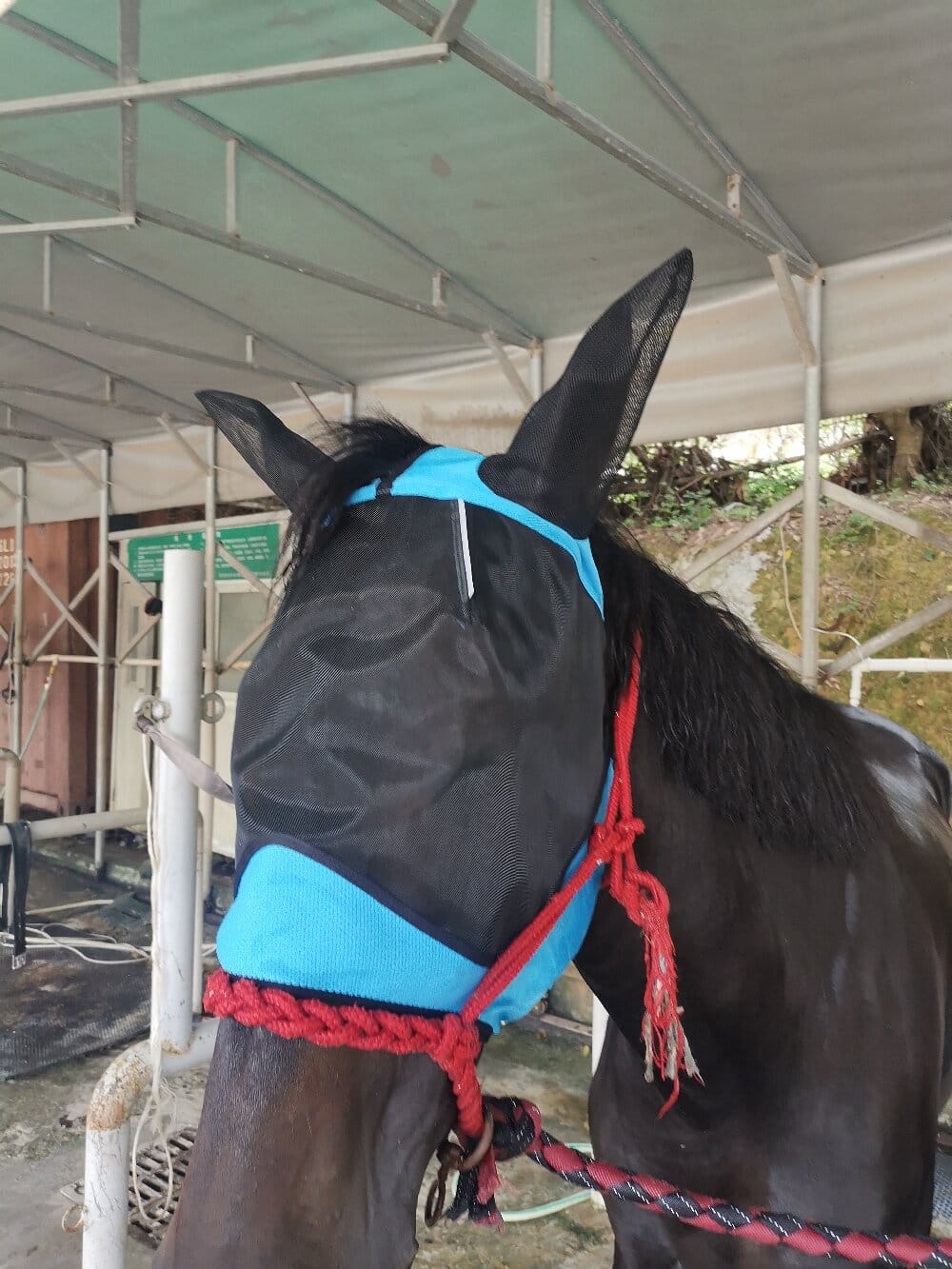
When you first encounter a horse fly mask, you might see it as nothing more than a piece of practical tack—a mesh hood designed to keep pesky insects away from your horse’s sensitive eyes and face. But look a little deeper, and you will find that this humble piece of equipment carries a surprising amount of cultural weight. Across riding traditions, from the dusty paddocks of the American West to the meticulous stables of European dressage, the fly mask reflects a shared understanding: caring for your horse means protecting it from the smallest of nuisances. In this cultural perspective, you will discover how a simple face covering became a symbol of stewardship, regional identity, and evolving animal welfare values.
The Horse Fly Mask as a Marker of Regional Horsemanship
If you travel between equestrian communities, you will notice that the horse fly mask takes on different forms and meanings. In hot, humid climates where flies thrive, you will see nearly every horse wearing a full-face fly mask with ear covers and nose fringe. Riders there consider it an absolute necessity, much like a saddle pad or water bucket. In cooler, drier regions, you might spot fly masks only during peak summer months, and they tend to be lighter, simpler designs.
This regional variation tells you something about local horse culture. In the southern United States, for example, the fly mask is often decorated with bright colors and patterns—a small expression of personality in a world of uniform barn life. In traditional English riding circles, you will more often find neutral tones and minimalist cuts. Neither approach is wrong; each reflects the values and aesthetics of its community.
Cultural Traditions Around Insect Protection
Long before synthetic mesh existed, horsemen and women used natural remedies to shield their animals from biting insects. You can trace cultural practices such as applying herbal salves, hanging aromatic branches in stalls, and braiding fly fringe into manes. The modern horse fly mask is a descendant of these traditions, blending old wisdom with new materials.
- In some Native American horsemanship traditions, protective face coverings were woven from plant fibers and softened hide.
- European stable managers historically used oiled cloths to repel flies, a precursor to today’s breathable mesh.
- Modern fly masks often incorporate UV protection, reflecting a cultural shift toward holistic horse care.
When you choose a fly mask today, you are participating in a lineage of care that stretches back centuries. You are also making a statement about your priorities as a horse person.
Etiquette and Social Meaning in the Barn
Here is a cultural detail you might not expect: in many boarding stables, whether you put a fly mask on your horse before turnout is a quiet signal of your experience level. Seasoned riders know that a horse without face protection on a summer afternoon will likely come in with swollen eyes and welts. Newcomers often learn this lesson the hard way. As a result, the fly mask becomes part of barn etiquette—a visible sign that you understand the rhythms of equine life.
You will also find that fly masks spark conversation. Riders compare brands, discuss fit, and debate whether ear covers are worth the extra cost. These small exchanges build community, passing knowledge from one generation of horse owners to the next.
Choosing Your Horse Fly Mask with Cultural Awareness
As you shop for a fly mask, keep in mind that fit matters more than fashion. Measure your horse’s head carefully, check for rubbing along the browband, and ensure the mesh does not touch the eyes. Replace masks when the fabric frays, and wash them regularly to prevent dirt buildup. By doing so, you honor the practical heritage behind this piece of gear.
Conclusion
The horse fly mask is far more than insect armor. It is a cultural artifact that reveals how different equestrian communities prioritize comfort, tradition, and animal welfare. Whether you ride Western or English, whether you board in a bustling stable or keep horses at home, the fly mask connects you to a long history of attentive horsemanship. Next time you fasten one over your horse’s ears, remember: you are not just swatting flies—you are taking part in a living tradition of care.