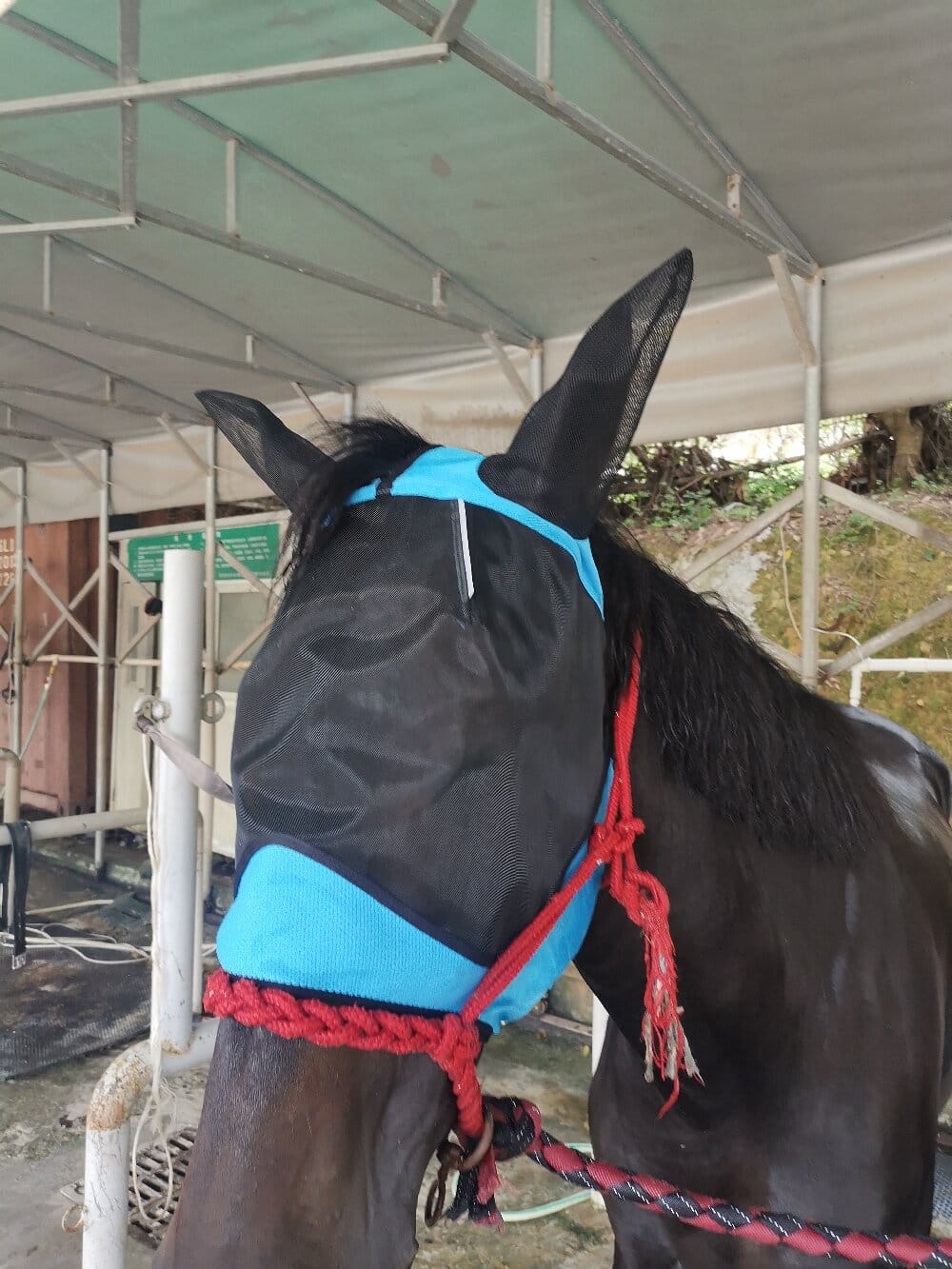

A horse fly mask is a lightweight, mesh-based piece of equine equipment designed to shield a horse’s eyes, ears, and face from flying insects and environmental irritants. As awareness of equine welfare and insect-borne disease grows, more owners are comparing fly masks against alternative methods of fly control. This comparative analysis examines how different types of horse fly mask designs perform, where they fall short, and how they stack up against sprays, sheets, and stabling strategies.
Comparing Horse Fly Mask Designs and Materials
Not all fly masks are constructed alike, and material choice directly affects durability, comfort, and visibility. The table below summarizes common comparisons.
- Standard mesh masks: Offer basic eye and face protection with good airflow. They are affordable and widely available, but thin mesh can tear under rough pasture conditions.
- UV-blocking masks: Combine insect protection with ultraviolet light reduction, which is valuable for horses prone to photosensitivity or sun-related eye irritation. They cost more but provide dual benefits.
- Ear and nose extensions: Models with ear covers or nose fringes protect more surface area, though some horses resist the added coverage during initial wear.
- Reinforced binding and fleece trim: These features reduce rubbing behind the ears and along the jaw, improving long-term comfort compared with budget masks that lack padding.
In comparative terms, a well-fitted mask with reinforced seams generally outlasts cheaper alternatives across a full grazing season, making the cost-per-day comparable despite a higher purchase price.
Horse Fly Mask vs. Alternative Fly Control Methods
When compared with topical sprays and insecticidal treatments, a horse fly mask provides continuous, chemical-free physical protection. Sprays require frequent reapplication, can be washed away by rain or sweat, and may irritate sensitive skin. Masks, by contrast, work passively as long as they remain in place and intact.
Compared with fly sheets, masks target the face specifically, an area where flies cluster around the eyes and nostrils. Sheets cover the body but leave the head exposed unless paired with a mask. Many owners therefore use both together rather than choosing one over the other.
Stabling during peak insect hours is another common strategy. While effective, it restricts turnout and exercise. A fly mask allows horses to remain on pasture with reduced annoyance, though it does not eliminate flies entirely and should be combined with manure management and stable hygiene.
Fit, Comfort, and Practical Limitations
Comparative trials and owner feedback consistently show that fit determines effectiveness. A mask that sits too low can obstruct vision; one that is too loose may shift or be removed by other horses. Measuring from the browband to the jaw and checking clearance over the eyes is essential before purchase. Masks with adjustable touch-and-close straps adapt better across different head shapes than fixed-size designs.
Limitations also merit comparison. Mesh masks can trap debris, require regular washing, and may need replacement after rubbing or tearing. Horses turned out in groups may have masks pulled off by playful pasture mates. In these cases, a spare mask or a more secure fit improves reliability.
Conclusion
Comparative analysis shows that a horse fly mask is a practical, low-maintenance component of an integrated fly control plan. UV-blocking and reinforced designs offer measurable advantages over basic mesh, while masks complement rather than replace sprays, sheets, and pasture management. Selecting a well-fitted, durable mask and maintaining it properly delivers the best balance of protection, comfort, and value for both search-conscious buyers and horse welfare priorities.