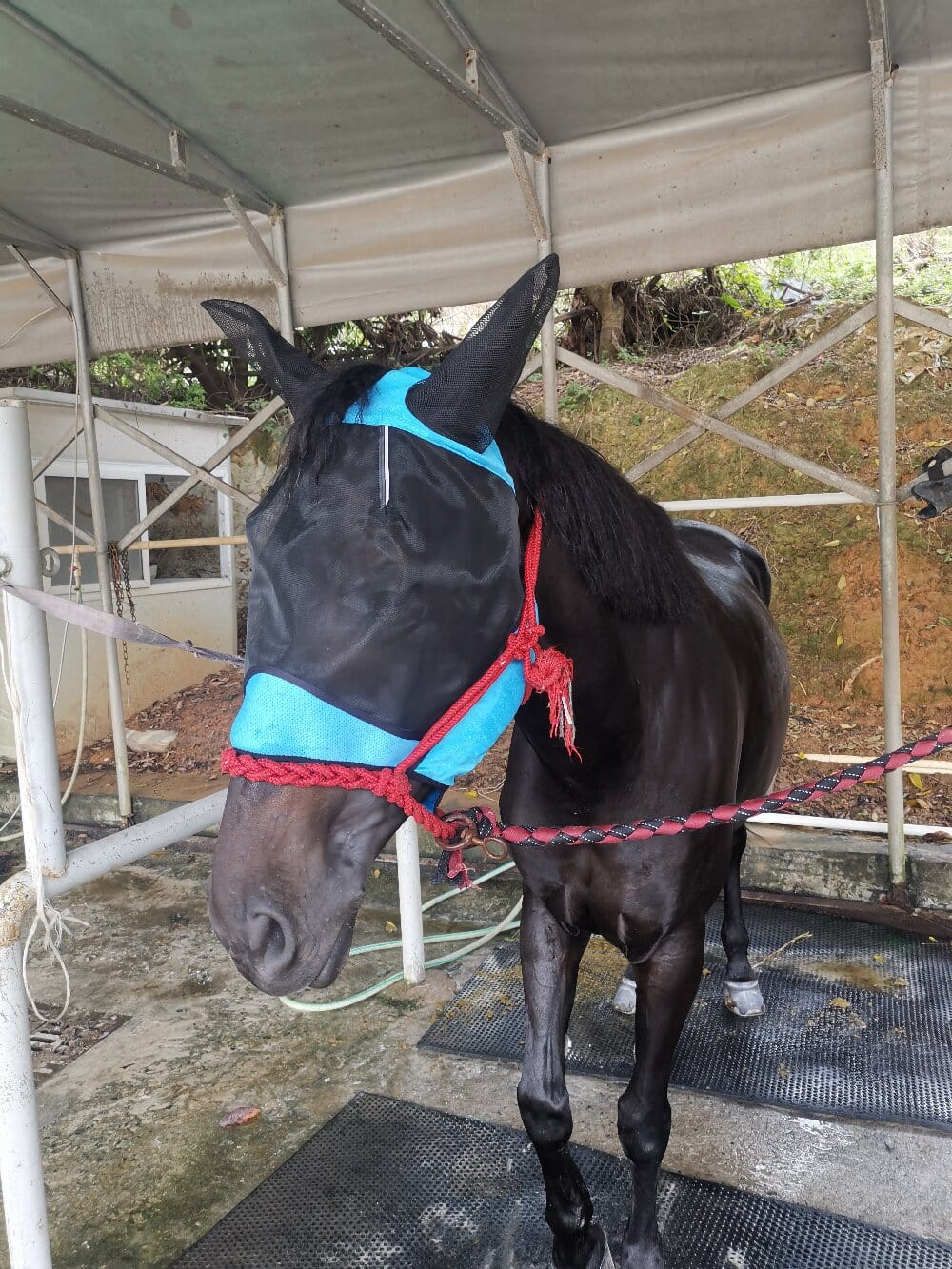

Choosing the right fly protection for your horse can feel overwhelming, especially when comparing a horse fly mask against other options like fly sheets, sprays, and leg wraps. Each method has strengths and weaknesses, and the best choice depends on your horse’s lifestyle, turnout schedule, and sensitivity to insects. A horse fly mask is one of the most targeted tools available, shielding the eyes, ears, and face from biting flies, gnats, and UV rays. But how does it stack up against alternatives, and what should you weigh before buying one? This comparative look breaks down the trade-offs from multiple perspectives—veterinary, practical, and budgetary.
Fly sheets protect the body, while a horse fly mask focuses on the head—the area where flies cluster most aggressively. From a veterinary perspective, eye irritation and ear irritation caused by face flies can lead to conjunctivitis, head shaking, and secondary infections, making facial protection especially valuable. Fly sheets reduce bites on the torso and neck but leave the face exposed unless paired with a mask. From a practical standpoint, masks are quicker to fit and easier to inspect daily, while sheets require careful sizing and can rub shoulders during hot weather. Many owners find the ideal setup is a combination: a breathable sheet for the body and a well-fitted mask for the head. Cost-wise, masks are generally cheaper upfront and easier to replace, though durability varies widely between materials.
Materials Under the Microscope: Mesh, Lycra, and UV Protection
Not all masks are created equal, and the material comparison matters as much as the mask-versus-alternative debate. Fine mesh offers excellent fly exclusion and airflow but can tear on fencing; Lycra stretches for a snug fit and reduces rubbing but may lose shape over time; woven UV-blocking fabrics protect pink-skinned horses from sunburn but can feel warmer. From an equine comfort angle, breathability and ear clearance are non-negotiable—masks that trap heat or press on the ears cause horses to rub them off within hours. From a durability perspective, reinforced binding and double-stitched seams justify a higher price. Riders often report that a mid-weight mesh with soft fleece edging balances protection, comfort, and lifespan best for daily turnout.
Fitting and sizing: why the right horse fly mask beats a cheap one
A poorly fitted mask is worse than no mask at all. Too loose, and it slips over the eyes or catches on fence posts; too tight, and it rubs the forehead and poll. When comparing brands, check adjustable touch-and-close straps, ear and forelock openings, and sizing charts that account for cob, full, and draft heads. From a behavioral perspective, horses tolerate masks better when introduced gradually during feeding or grooming. From a maintenance view, removable ear covers and machine-washable fabrics extend usefulness across seasons. Owners of sensitive-skinned horses often prioritize soft binding over heavy-duty construction, while turnout herds benefit from tougher, snag-resistant designs.
Cost, Longevity, and Real-World Value
Price comparisons reveal a wide spectrum: budget masks may last a single season, while premium options survive multiple summers with care. Factor in replacement frequency, not just sticker price. A mask that stays put and resists UV degradation often costs less per month than repeatedly replacing cheap versions. From a multi-horse stable perspective, buying two masks per horse allows one to wash while the other is worn—an efficiency that pays off during peak fly season.
Conclusion: Matching Protection to Your Horse’s Needs
Comparing fly control options shows that a horse fly mask excels at focused facial protection, pairs well with body sheets, and demands careful attention to material and fit. Weigh comfort, durability, and cost against your horse’s turnout habits and skin sensitivity. Choose breathable mesh for hot climates, UV fabric for pale faces, and adjustable straps for reliable fit—then inspect daily and wash weekly. The right mask, matched to your horse’s needs, delivers comfort and peace of mind all season long.