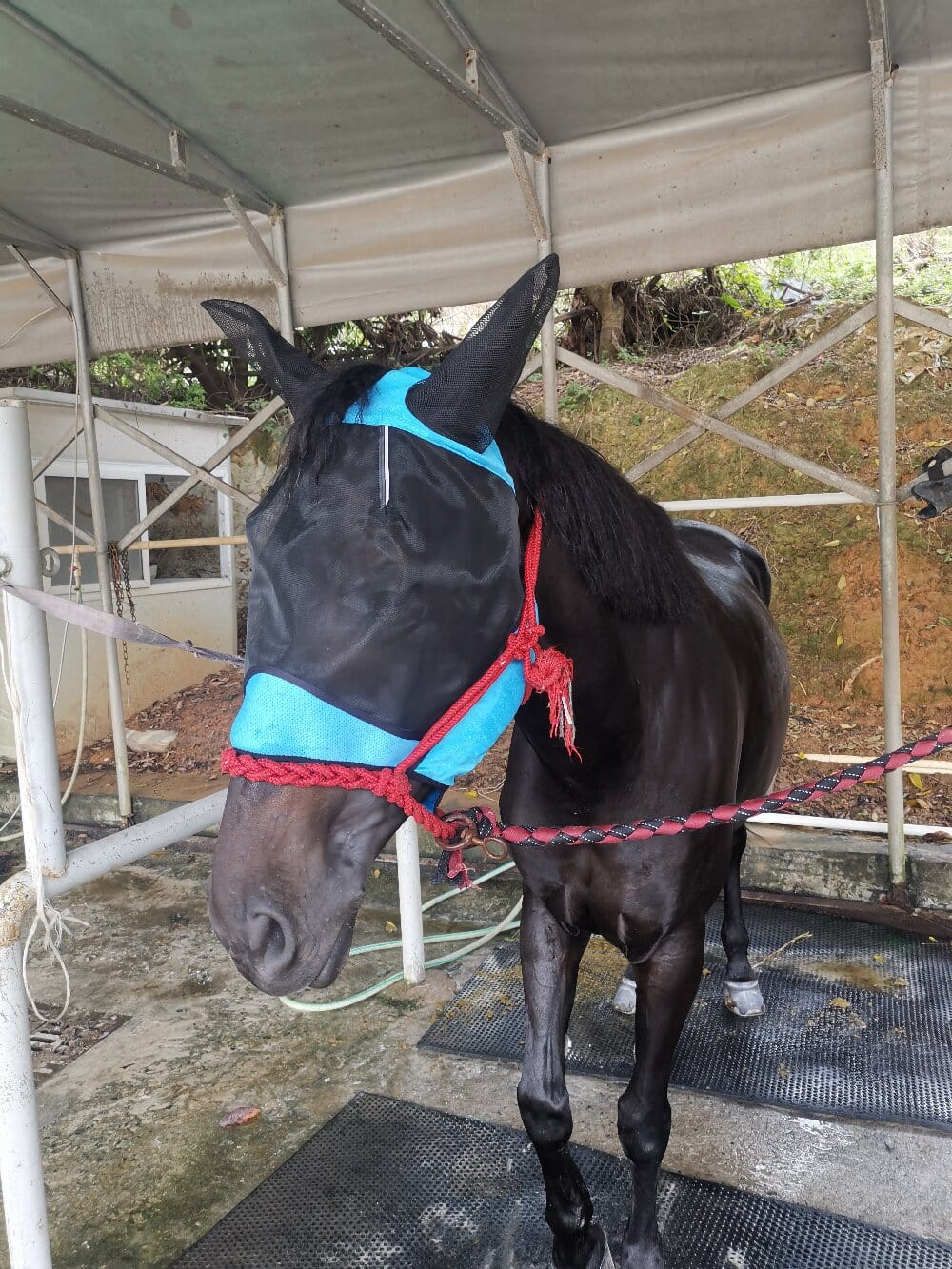
A horse fly mask is one of the most practical and affordable pieces of equine equipment available, yet many owners overlook its value until their animal is already suffering from irritation. Understanding how these lightweight face coverings work, what features matter, and when to use them can make a meaningful difference in a horse’s comfort and health throughout the year.
These mesh coverings are designed to shield the sensitive areas of a horse’s head—eyes, ears, and muzzle—from flying insects such as houseflies, stable flies, and biting midges. Quality masks combine fine mesh with reinforced binding, allowing airflow and visibility while blocking pests. Beyond insect protection, many models reduce dust and debris exposure and offer varying degrees of UV protection, which is helpful for horses with photosensitivity or pink skin around the eyes.
Key Features to Evaluate Before Buying
Not all fly masks are created equal. A practical selection process should consider the following factors:
- Fit and adjustability: Look for adjustable straps, elasticized sections, and a shape that follows the horse’s facial contours without rubbing.
- Mesh density: Finer mesh blocks smaller insects but can reduce airflow; choose based on the local pest population and climate.
- Ear coverage: Removable or built-in ear protection helps against midges and black flies, especially in wooded or wetland areas.
- Eye clearance: The mask should keep mesh away from the eyeball to prevent abrasion and allow full peripheral vision.
- Durability: Reinforced stitching, double-locking closures, and sturdy binding extend the life of the product through turnout and pasture use.
- UV rating: For horses with sensitive skin or eye conditions, a mask with documented UV protection is worth prioritizing.
Fitting a Horse Fly Mask Correctly
Proper fit is the difference between protection and irritation. The mask should sit smoothly over the forehead and cheekbones, with the lower edge clearing the nostrils and the eye openings aligned so lashes do not catch on fabric. Straps should be snug enough to prevent the mask from slipping or being pulled off, yet loose enough to allow two fingers underneath. Owners should check for rubbing behind the ears and along the jawline, particularly during the first few days of use, and inspect the mask daily for debris, tears, or stretched elastic.
When and How Often to Use One
Fly masks are most useful during peak insect season, typically late spring through early autumn, and during turnout in pastures near water, manure, or wooded edges. Some owners use them year-round for UV-sensitive horses. Practical guidelines include:
- Introduce the mask gradually, allowing short supervised sessions before full-time turnout wear.
- Remove the mask at least once daily to inspect the face and eyes.
- Clean the mesh regularly with mild soap and water to maintain visibility and airflow.
- Replace masks that have torn mesh or compromised closures, since a damaged mask offers little protection.
Care, Longevity, and Common Mistakes
Washing a mask by hand and air-drying it preserves the mesh shape and elastic performance. Avoid machine drying, which can warp the fabric. A common mistake is leaving a mask on a horse unsupervised before confirming fit, which can lead to rubbing or entanglement. Another is choosing a size based on breed alone rather than measuring the horse’s head. Rotating between two masks extends overall lifespan and allows one to dry while the other is in use.
Summary
Selecting and maintaining a horse fly mask comes down to fit, mesh quality, and consistent inspection. With the right size, appropriate features for local pests, and a simple daily care routine, owners can protect their horses from insect irritation and sun exposure while keeping the animal comfortable and visible in the pasture.