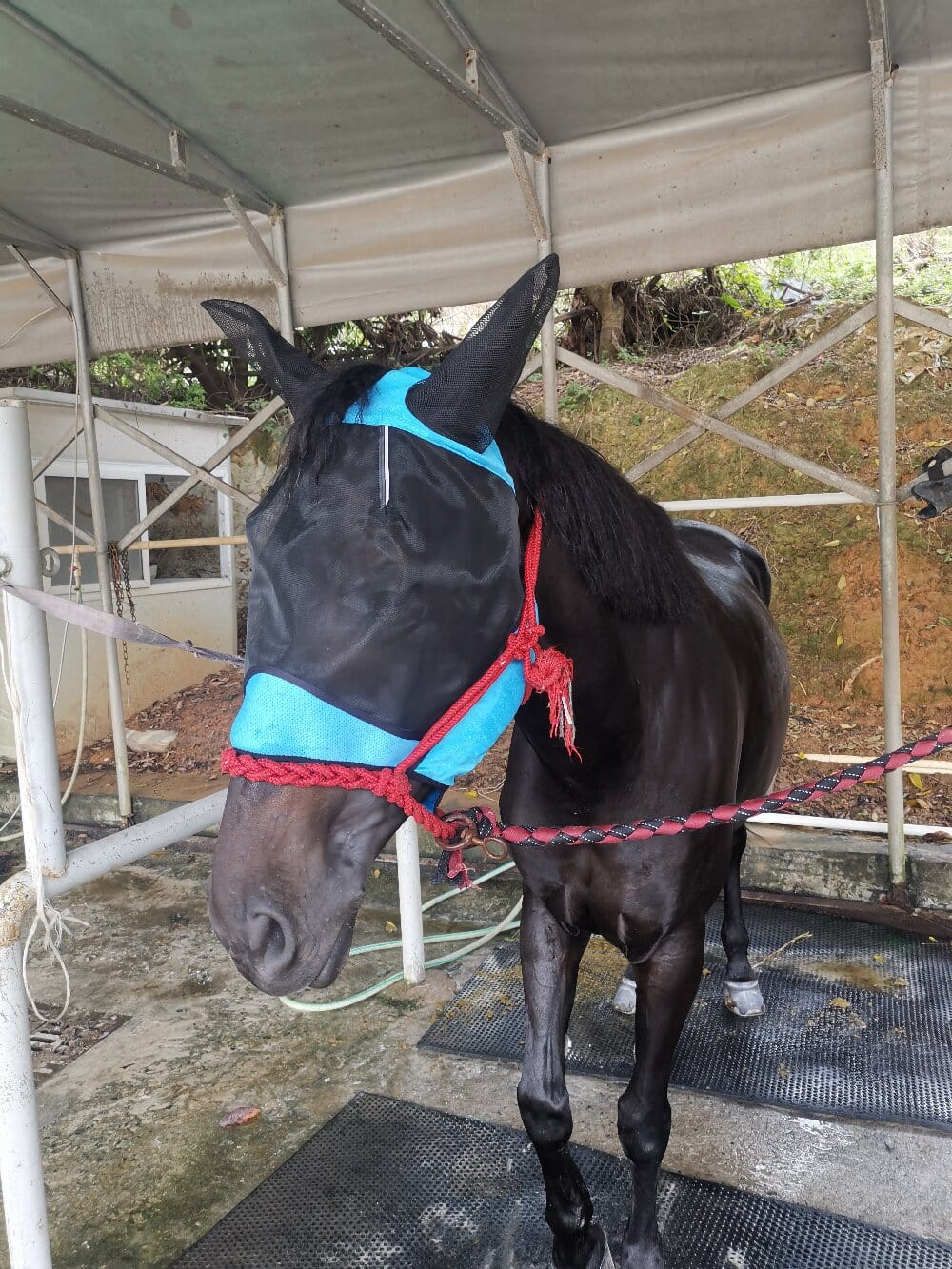
In the coming decade, the humble horse fly mask will evolve from a simple mesh shield into an intelligent piece of wearable technology, and I genuinely believe this transformation will reshape how we manage equine comfort and health. As an equestrian futurist, I see a near future where fly protection for horses becomes proactive rather than reactive, blending advanced materials, sensors, and data-driven design. The horse fly mask of tomorrow won’t just block insects; it will monitor, adapt, and communicate, giving owners unprecedented insight into their animals’ wellbeing.
From Basic Mesh to Intelligent Equine Gear
Today’s fly masks for horses are largely static products made from breathable mesh and fleece trim. Looking ahead, I predict manufacturers will integrate lightweight biometric sensors directly into the fabric. These sensors could track eye irritation, head-shaking frequency, and even local insect activity levels. Imagine receiving a smartphone alert when fly pressure around your pasture spikes, prompting you to check your horse’s mask or adjust turnout schedules. This kind of preventive care will become the norm rather than the exception.
Material science will also play a starring role. Self-cleaning fabrics that repel dust and debris, UV-responsive mesh that adjusts opacity based on sunlight intensity, and biodegradable components are all on the horizon. I expect the next generation of equine fly protection to be both more effective and more environmentally responsible, addressing concerns that today’s synthetic masks often end up in landfills.
How Smart Fly Masks Will Change Daily Horse Care
The integration of data and design will ripple through everyday stable management. Here’s what I anticipate:
- Real-time irritation alerts: Masks will detect rubbing or discomfort and notify caregivers before sores develop.
- Climate-adaptive ventilation: Smart vents could open or close automatically to regulate temperature and humidity beneath the mask.
- GPS and activity tracking: Lightweight chips may help locate horses in large pastures while monitoring rest and movement patterns.
- Solar-powered operation: Thin-film solar cells woven into the mask’s edges could keep sensors charged without bulky batteries.
- Custom fit via 3D scanning: Owners will order masks tailored to their horse’s unique head shape, reducing slippage and improving coverage.
These features won’t just be luxuries. I believe they’ll become standard expectations as owners demand smarter, kinder ways to protect their animals from flies, UV rays, and seasonal irritants.
Challenges and Opportunities on the Horizon
Of course, this future isn’t without hurdles. Battery weight, durability in muddy paddocks, and data privacy are real concerns that designers must solve. I also foresee a learning curve for owners who may feel overwhelmed by app-based controls. However, the opportunities far outweigh the obstacles. Veterinary researchers could use aggregated data from thousands of smart masks to study insect-borne disease patterns, potentially improving herd health across entire regions.
Pricing will likely start high before settling into accessible ranges as competition grows. I predict a wave of startups partnering with established equestrian brands, accelerating innovation and bringing smart fly masks to mainstream riders within five to ten years.
Conclusion: A Smarter, Safer Future for Horses
The future of the horse fly mask is bright, connected, and deeply personal to each animal. By combining intelligent materials with thoughtful data use, we can protect horses more effectively than ever while gaining valuable insights into their daily lives. I’m confident that tomorrow’s fly protection will be a cornerstone of modern equine care, blending comfort, technology, and compassion into one seamless piece of gear.