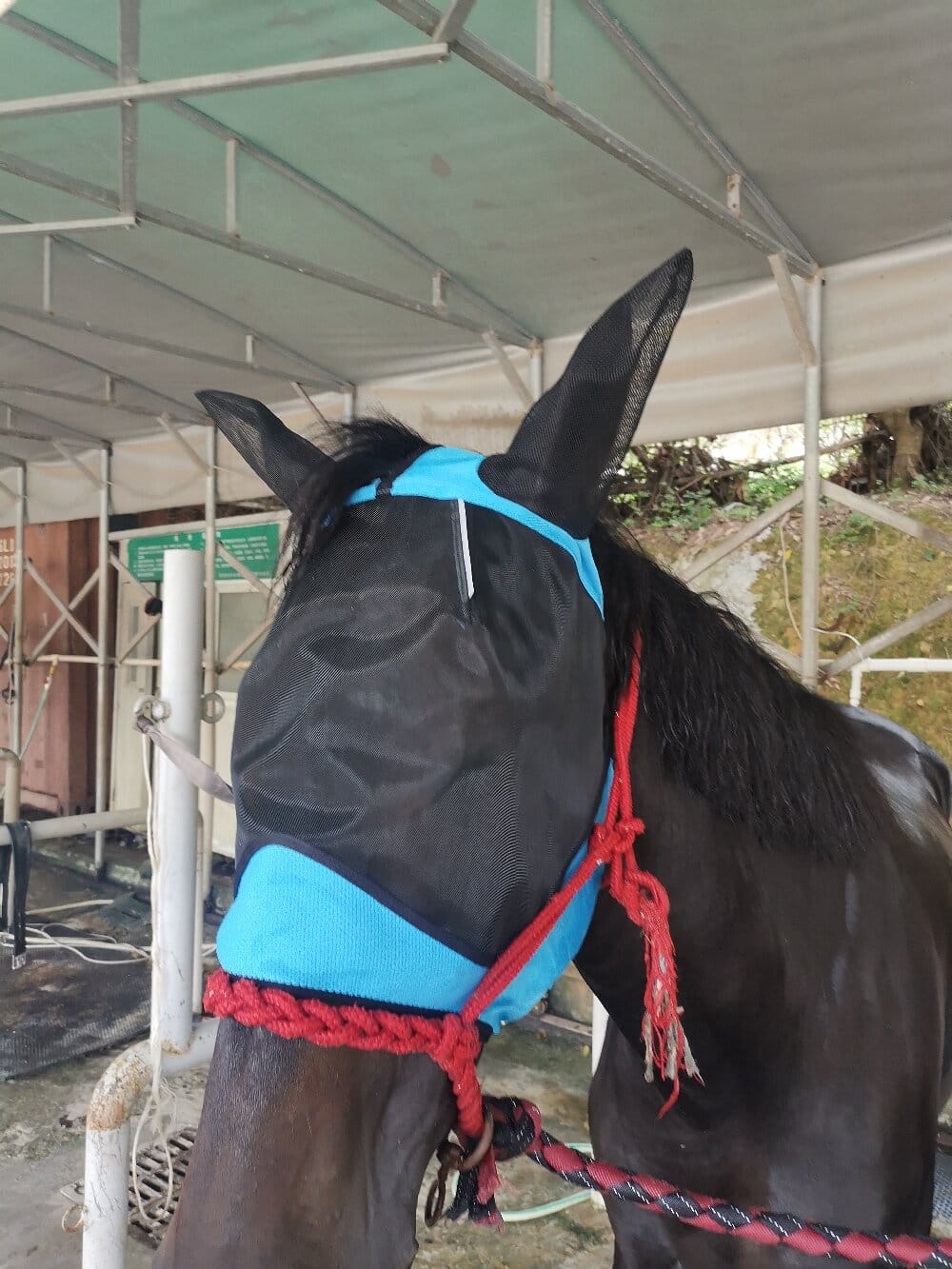
A horse fly mask has become an essential piece of protective equipment for many equestrian operations, particularly during the warmer months when flying insects are most active. This case study examines how one boarding facility, Meadowbrook Stables, implemented a comprehensive fly mask program for its herd of twenty-two horses and the measurable improvements observed over a single grazing season. The findings offer practical insights for barn managers, horse owners, and caretakers considering similar protective measures.
Background and Initial Challenges at Meadowbrook Stables
Meadowbrook Stables, a mid-sized boarding and training facility, had long struggled with seasonal insect pressure. Horses turned out in the main pastures experienced frequent eye irritation, head tossing, and stress-related behavior during peak fly season. Staff noted increased cases of conjunctivitis, insect bite hypersensitivity, and general restlessness that affected training schedules and overall equine welfare.
Before introducing a standardized fly protection protocol, the facility relied on topical repellents and spot-on treatments. While somewhat effective, these products required frequent reapplication, posed challenges in wet weather, and occasionally caused skin reactions in sensitive horses. The barn manager recognized the need for a more consistent, low-maintenance solution.
Implementing a Horse Fly Mask Program
The team at Meadowbrook decided to trial a structured approach using fly masks with ear protection and nose coverage. Key implementation steps included:
- Sizing each horse individually to prevent rubbing and slippage
- Selecting breathable mesh fabrics with UV-blocking properties
- Establishing a daily inspection routine to check for wear and proper fit
- Rotating masks between cleanings to maintain hygiene
- Training staff to recognize signs of discomfort or improper fit
The facility also paired masks with other integrated pest management strategies, including manure removal, water source management, and strategic turnout timing. This combined approach addressed both the symptoms and the sources of fly pressure.
Measurable Outcomes and Observed Benefits of the Horse Fly Mask
Over the sixteen-week trial period, Meadowbrook documented several notable improvements:
- A 40 percent reduction in reported eye irritation cases
- Visibly calmer behavior during turnout, with less head tossing and stamping
- Fewer veterinary visits related to insect-borne skin conditions
- Reduced reliance on topical chemical repellents
- Improved coat condition around the face and ears due to decreased rubbing
Staff also reported that horses accepted the masks readily after a short adjustment period, and no significant rubbing or pressure sores occurred when sizing was correct. The reusable nature of quality masks proved cost-effective compared with repeated purchases of sprays and ointments.
Lessons Learned and Practical Recommendations
The Meadowbrook case highlights several factors critical to success. Proper fit remains the single most important variable; an ill-fitting mask can cause more harm than good. Regular inspection and cleaning prevent bacterial buildup and extend product lifespan. Additionally, pairing masks with environmental controls delivers better results than relying on any single tool.
The facility now recommends that owners introduce masks gradually, monitor each horse during the first few days, and maintain a spare mask per horse for cleaning rotation. Selecting masks with adequate ear and nose coverage proved especially valuable for horses with sensitive skin or a history of insect-related conditions.
Conclusion
This case study demonstrates that a well-planned fly mask program can meaningfully improve equine comfort, reduce insect-related health issues, and simplify daily care routines. For facilities and owners facing seasonal fly pressure, investing in properly fitted, breathable masks as part of an integrated management plan represents a practical, evidence-informed strategy for protecting horses throughout the grazing season.