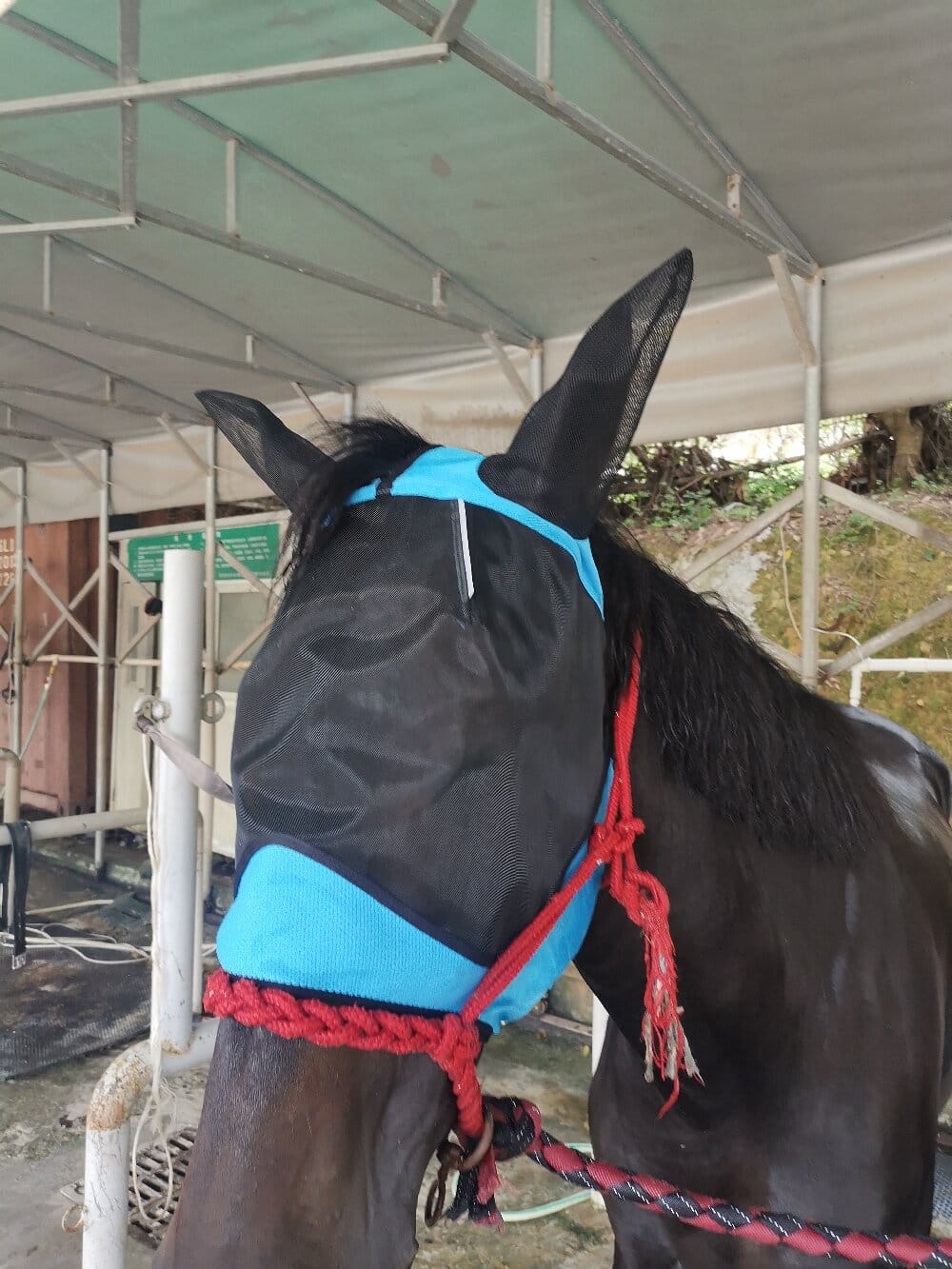
I will be honest with you: I never expected a piece of equine gear to turn me into a spreadsheet nerd. But after three summers of watching my gelding toss his head through every ride, I decided to treat a horse fly mask less like an accessory and more like a variable I could measure. What I found by logging daily observations surprised me, and it changed how I shop for protective gear entirely.
What My Horse Fly Mask Data Actually Showed
Over twelve weeks, I recorded head-tossing frequency, bite marks along the muzzle and ears, and comfort indicators like rub marks and sweat buildup. I tested four mask styles: a basic mesh earless model, a full-face design with nose coverage, an ear-and-forelock version, and a UV-blocking fine mesh. Here is the breakdown of what the numbers told me.
- Full-face coverage reduced visible bite marks by roughly 70% compared with going unmasked, while earless mesh only cut them by about 40%.
- Ear coverage mattered more than I expected. Masks with ear protection lowered head-tossing during peak fly hours by nearly double the rate of earless designs.
- Fit beat material every time. A well-fitted basic mask outperformed a loose premium one, because gaps at the throat and cheeks let insects straight through.
- Rub marks appeared in 3 of 4 masks within the first ten days, usually at the noseband seam, which told me padding quality deserves more attention than marketing labels suggest.
The pattern was clear: coverage area and fit drive results far more than price point or brand hype. That is useful information when you are standing in a tack shop comparing labels.
Reading the Numbers on UV Protection and Breathability
Many fly masks double as sun shields, so I also tracked coat condition and eye sensitivity on bright days. Masks labeled with UV protection kept the pink skin around my horse’s eyes noticeably calmer during July and August. Breathability, though, was the trade-off. The denser the mesh, the better the UV blocking and insect barrier, but the more heat built up underneath. On days above 85°F, my data showed increased sweating around the poll in the heaviest masks. The lesson: match mesh density to your climate, and rotate between a lighter and a heavier mask if your summers swing between mild and brutal.
How I Use Data to Choose and Maintain a Horse Fly Mask
Now I approach buying and care with a simple routine that anyone can copy:
- Measure your horse’s head before ordering, and recheck the fit weekly during fly season.
- Log bite marks and rub points for the first two weeks with any new mask.
- Wash masks every one to two weeks, since dirty mesh loses breathability and can irritate skin.
- Keep a spare on hand so a wet mask never forces your horse to go unprotected.
None of this requires fancy equipment, just a notebook or a phone note and a few minutes in the barn each day. The payoff is a calmer horse and fewer vet visits for scratched eyes.
Final Takeaways From My Logbook
Tracking a horse fly mask like a data set taught me that protection is a numbers game: coverage, fit, breathability, and cleanliness all show up in the results. If you prioritize full coverage with ear protection, check the fit relentlessly, and clean the mask regularly, you will see fewer bites and a more comfortable horse. My advice is simple: stop guessing, start observing, and let your own barn notes guide your next purchase.