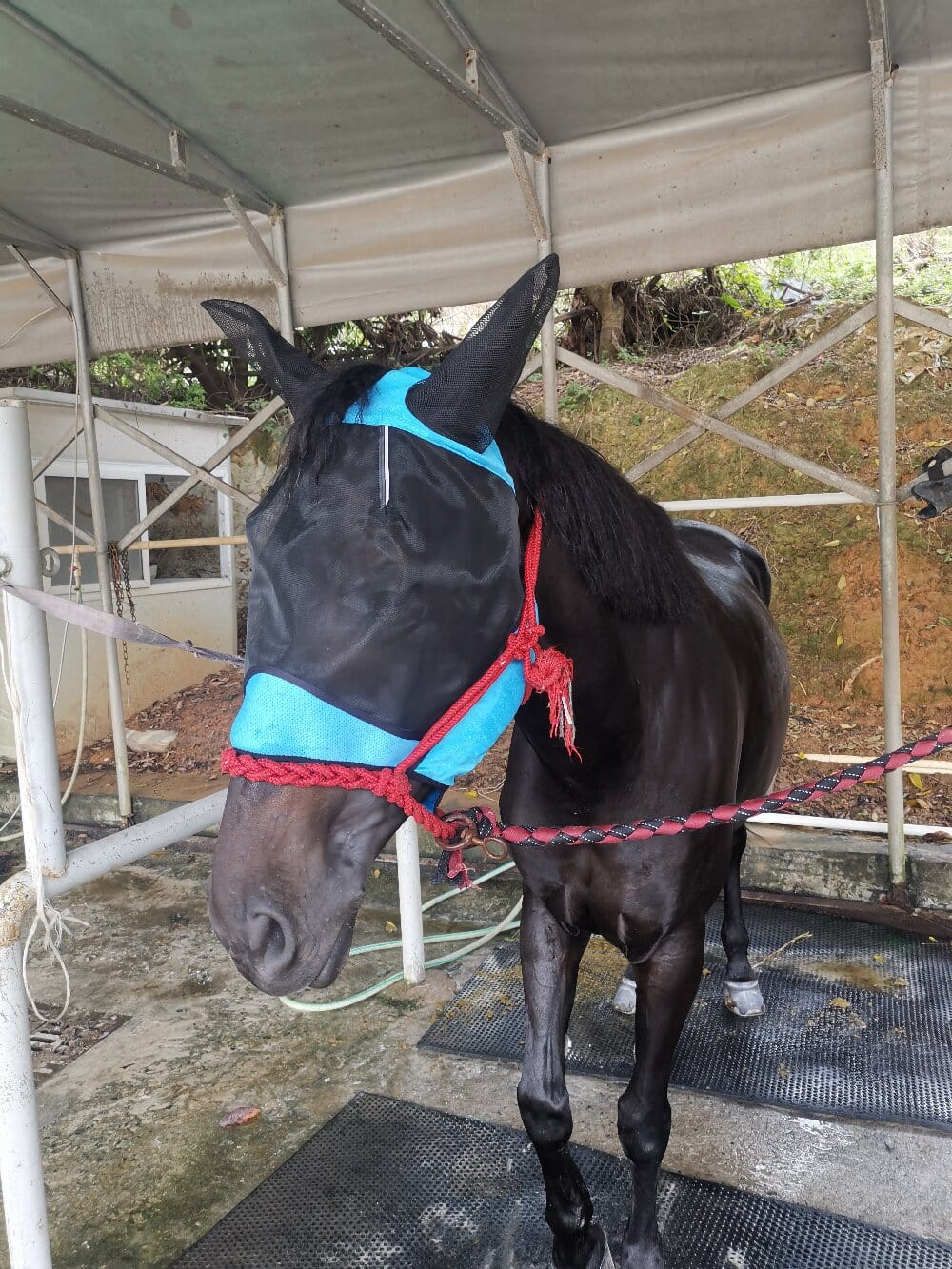
I used to buy a horse fly mask without a second thought. It seemed like an obvious piece of summer kit: cheap, simple, and clearly good for my horse. But the more time I spent in the barn, watching masks get lost, rubbed off, or worn with holes, the more I started to interrogate that assumption. Was this piece of equine gear actually doing what I believed, or was I just following tradition? That skeptical mindset is what I want to share here, because a fly mask is a small purchase that raises surprisingly large questions about comfort, protection, and common sense.
What a Horse Fly Mask Actually Does (and Doesn’t Do)
The basic promise is straightforward. A mesh mask shields the eyes, ears, and sometimes the muzzle from flies, gnats, and biting insects. That matters, because face flies can spread disease and cause irritation, and a horse with sore eyes is a miserable horse. Fine mesh also takes the edge off bright sunlight, which can help horses with photosensitivity.
Here is where my critical thinking kicks in. A mask is passive protection, not a solution. It does not reduce the fly population around the barn, and it does not replace good manure management, fly traps, or sensible turnout timing. I have also seen masks trap heat and debris against the skin when they fit poorly. So the honest question is not “should I buy one?” but “does this specific mask suit this specific horse in this specific environment?”
Fit Is the Variable Most Owners Overlook
I have learned that fit determines almost everything. Too loose, and the mask slips, twists, or comes off in the field. Too tight, and it rubs the browband area or restricts eyelid movement. When I evaluate a fly mask for horses now, I check a few things carefully:
- Clearance around the eyes, so eyelashes and lids are not pressed against mesh
- Adjustable straps that stay put without pinching behind the ears
- Durable binding and stitching at the edges, where wear usually begins
- Breathable fabric that does not turn into a sauna in midday heat
- Ear coverage that matches the horse’s actual need, since some horses tolerate ear covers and others do not
Testing My Assumptions About Materials and Durability
Marketing language loves words like “ultra-breathable” and “UV-protective,” and I have become skeptical of claims that arrive without specifics. I now look for measurable details, such as mesh density, fabric weight, and whether UV protection is rated rather than implied. Durability is equally telling. A mask that shreds within a month is not a bargain, even at a low price. I weigh cost against lifespan, not against the sticker price alone.
I also question the assumption that more coverage is always better. A full-face design with a nose extension can protect a pink-skinned muzzle, but it can also collect grass seeds and dirt. Sometimes a simpler eye-and-ear mask is the smarter choice. The right answer depends on the horse, the pasture, and the season, not on the most elaborate product on the shelf.
Behavioral Clues I Watch For
My horses give me honest feedback if I pay attention. Head shaking, rubbing against fences, or trying to remove the mask are signals worth taking seriously. I introduce any new mask gradually, check the skin underneath daily during the first week, and remove it during grooming so I can inspect for rubs. If a horse consistently objects, I change the fit or the design rather than insisting the horse adjust.
Conclusion
Critical thinking turned a mindless purchase into a deliberate choice. A horse fly mask is a useful tool, but only when it fits well, holds up to real conditions, and complements broader fly control rather than replacing it. My advice is simple: measure your horse, read the specifications skeptically, inspect the mask often, and let your horse’s behavior guide your decisions. Questioning the defaults is how we end up with gear that genuinely serves the animal in front of us.