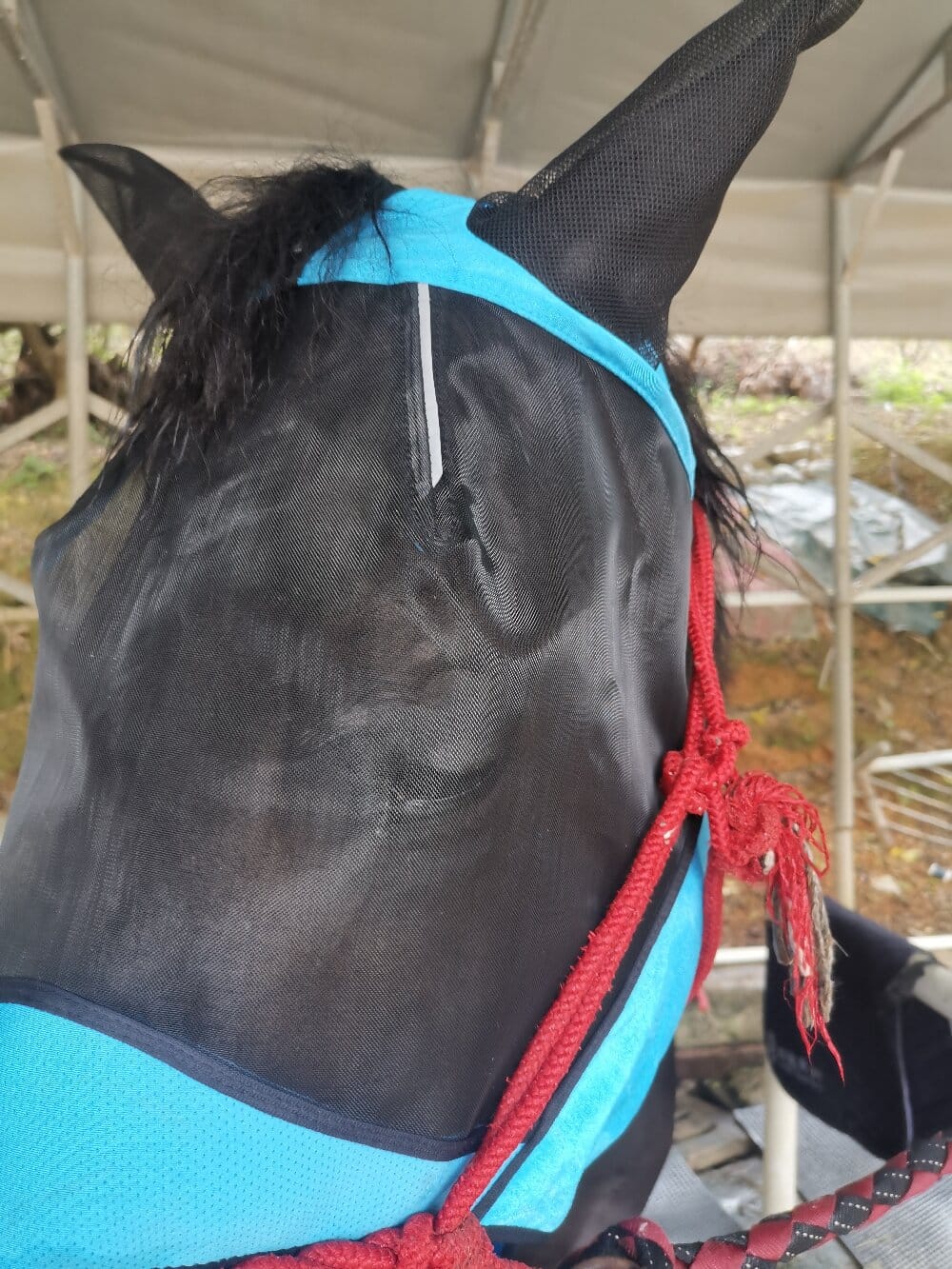
A horse fly mask is one of the simplest yet most effective pieces of protective equipment available to horse owners, and understanding how to select and use one properly can make a meaningful difference in a horse’s comfort and health. From a methodology perspective, evaluating fly masks requires a structured approach: identifying the specific stressors a horse faces, matching mask features to those stressors, and then assessing fit, durability, and maintenance over time. From a multi-perspective tone, this guide considers the viewpoints of veterinarians, trainers, recreational riders, and the horses themselves—because what works for a show jumper in a humid climate may not suit a pasture companion in a dry, dusty region.
A Methodology for Selecting the Right Horse Fly Mask
Veterinarians typically begin with the problem: flies, gnats, and UV exposure cause eye irritation, head shaking, and sometimes serious conditions like conjunctivitis or summer sores. A methodical selection process starts with identifying the primary threat. If biting midges are the issue, a fine-mesh mask with ear coverage is often recommended. If sunlight sensitivity is the concern, masks with UV-blocking fabric become the priority.
Trainers, meanwhile, emphasize practicality. A mask must stay in place during turnout, resist rubbing, and allow full vision so the horse remains calm. From the horse’s perspective—inferred through behavior—comfort means no pressure points, no restricted ears, and no trapped heat. A structured evaluation checklist helps:
- Mesh density appropriate to the local insect population
- Ear and forelock coverage for sensitive horses
- Fleece or soft binding at edges to prevent rubs
- Adjustable straps that secure without overtightening
- Breathable fabric for hot climates
Fit, Maintenance, and Long-Term Evaluation
Proper fit is where methodology meets daily practice. A fly mask should sit clear of the eyes, with lashes free and unobstructed, and straps should allow two fingers of slack. Owners should check masks daily for debris, tears, and shifting, and wash them regularly with mild soap to prevent dirt buildup that can irritate skin. From a management perspective, keeping a spare mask on hand reduces gaps in protection during cleaning or repair.
Durability testing matters too. Pasture-kept horses subject masks to rubbing, weather, and playful herd mates, so reinforced stitching and sturdy mesh are worth the investment. Riders often prefer lighter, streamlined designs for work under saddle, while breeders favor full-coverage styles for foals and broodmares. Each perspective highlights a different trade-off between protection, comfort, and longevity.
Balancing Protection and Welfare
No single design suits every horse, which is why a multi-perspective evaluation is essential. Welfare-focused observers note that masks should never be left on unsupervised horses with known rubbing issues, and any sign of eye discharge, swelling, or resistance to wearing the mask warrants a veterinary check. Seasonal adjustment also matters: heavier coverage in peak fly season, lighter protection in milder months.
Conclusion
Choosing a horse fly mask is best approached as a structured, evidence-informed process rather than a casual purchase. By weighing veterinary guidance, trainer practicality, rider needs, and observed horse comfort, owners can select masks that genuinely protect against insects and sunlight while remaining safe and comfortable. Regular fit checks, cleaning, and seasonal reassessment keep protection effective year-round, ensuring the mask serves its purpose without compromising equine welfare.