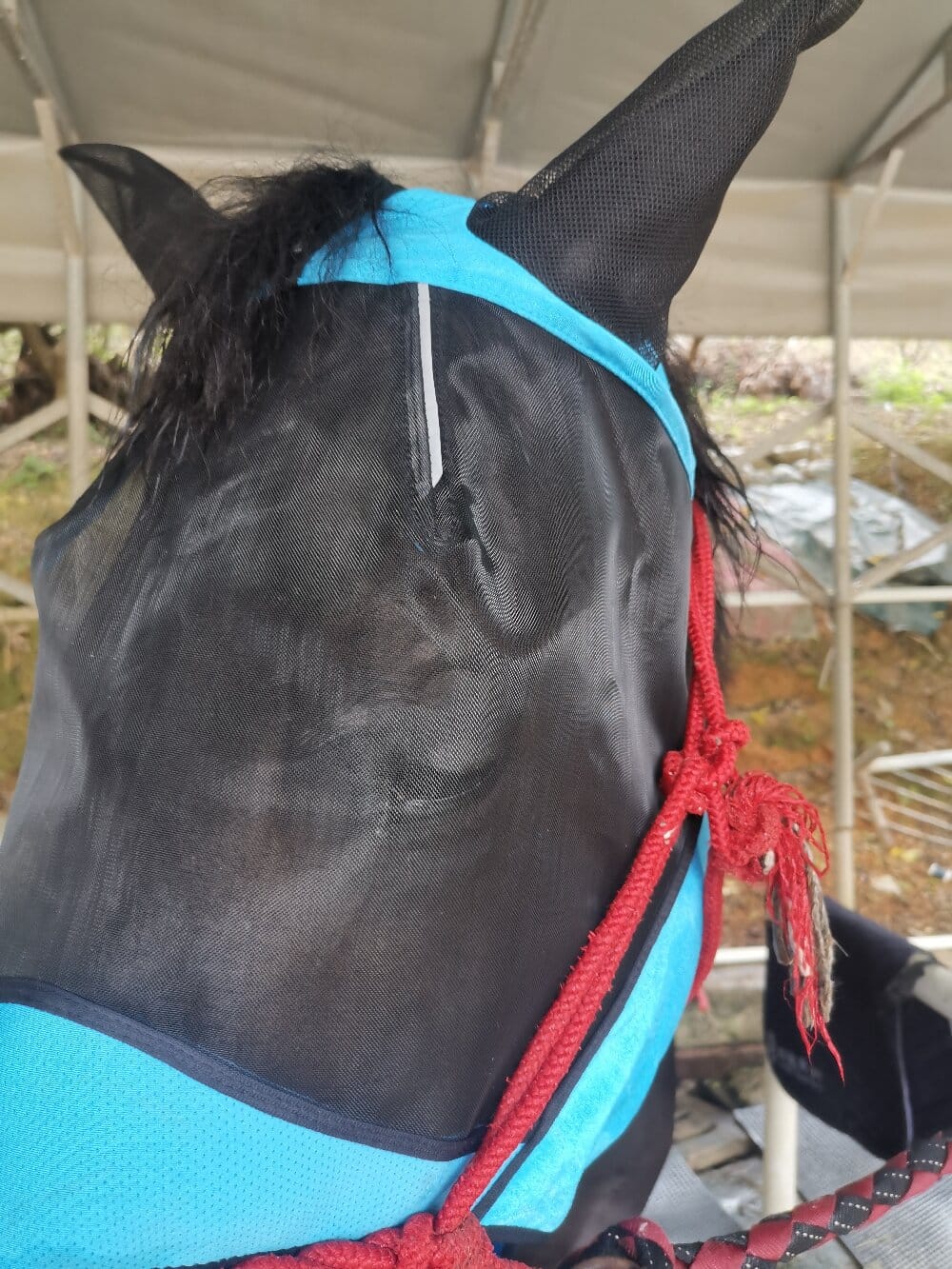
A horse fly mask has become an essential piece of protective equipment for many equestrians managing horses in fly-prone environments. This case study examines how one stable, located in a humid region with heavy insect pressure, implemented fly masks as part of a broader pest management strategy. Over a single summer season, the barn manager documented changes in horse comfort, skin health, and behavioral patterns, offering practical insights for owners considering similar interventions.
Background and Initial Challenges
The facility in question housed twelve horses used for recreational riding and light competition. During previous summers, staff observed frequent head shaking, rubbing against fences, and general restlessness. Several horses developed small skin lesions around the eyes and ears, and two showed signs of mild conjunctivitis linked to fly irritation. Traditional remedies, including topical sprays and stabling during peak insect hours, provided only partial relief. The team decided to trial a horse fly mask as a complementary measure.
Selecting the Right Horse Fly Mask
The stable manager researched options carefully, focusing on fit, material breathability, and durability. Key selection criteria included:
- Full coverage of the eyes, ears, and muzzle area without restricting vision
- Lightweight, UV-resistant mesh that would not trap heat
- Adjustable straps with fleece padding to prevent rubbing
- Reinforced seams suitable for daily turnout
The team ultimately chose masks with ear coverage and a nose extension, as the local fly population was particularly aggressive around the muzzle. Correct sizing was determined by measuring each horse from poll to jaw, and staff were trained to check fit daily.
Implementation and Daily Management
Masks were introduced gradually over one week to allow horses to adjust. Staff followed a simple protocol: masks were applied before morning turnout and removed during grooming each evening. Daily inspections focused on signs of rubbing, moisture buildup, and damage to the mesh. Masks were hand-washed weekly with mild soap and replaced when straps lost elasticity.
Observed Outcomes from the Case Study
After eight weeks, the barn recorded several notable improvements. Head shaking behavior decreased in nine of the twelve horses, and the two horses with conjunctivitis showed resolved symptoms within three weeks. Skin lesions around the ears healed without recurrence. Staff also reported that horses were calmer during turnout, with fewer aggressive tail swishes and stomping episodes. Importantly, no cases of heat stress or restricted vision were observed, provided masks were fitted correctly.
Practical Lessons and Recommendations
This case study highlights several best practices for integrating a horse fly mask into routine care:
- Prioritize proper fit over brand or price; an ill-fitting mask creates more problems than it solves.
- Introduce masks gradually and monitor each horse’s acceptance.
- Combine masks with other fly control methods, such as manure management and strategic stabling.
- Inspect masks daily and replace worn items promptly to maintain protection.
Conclusion
The experience at this stable demonstrates that a well-chosen horse fly mask can meaningfully improve equine comfort and reduce insect-related skin issues when used as part of an integrated pest management plan. While no single tool eliminates flies entirely, consistent use, correct fit, and routine maintenance made the mask a valuable addition to the facility’s summer care regimen. Owners facing similar challenges may find comparable benefits by following the practical steps outlined in this case study.