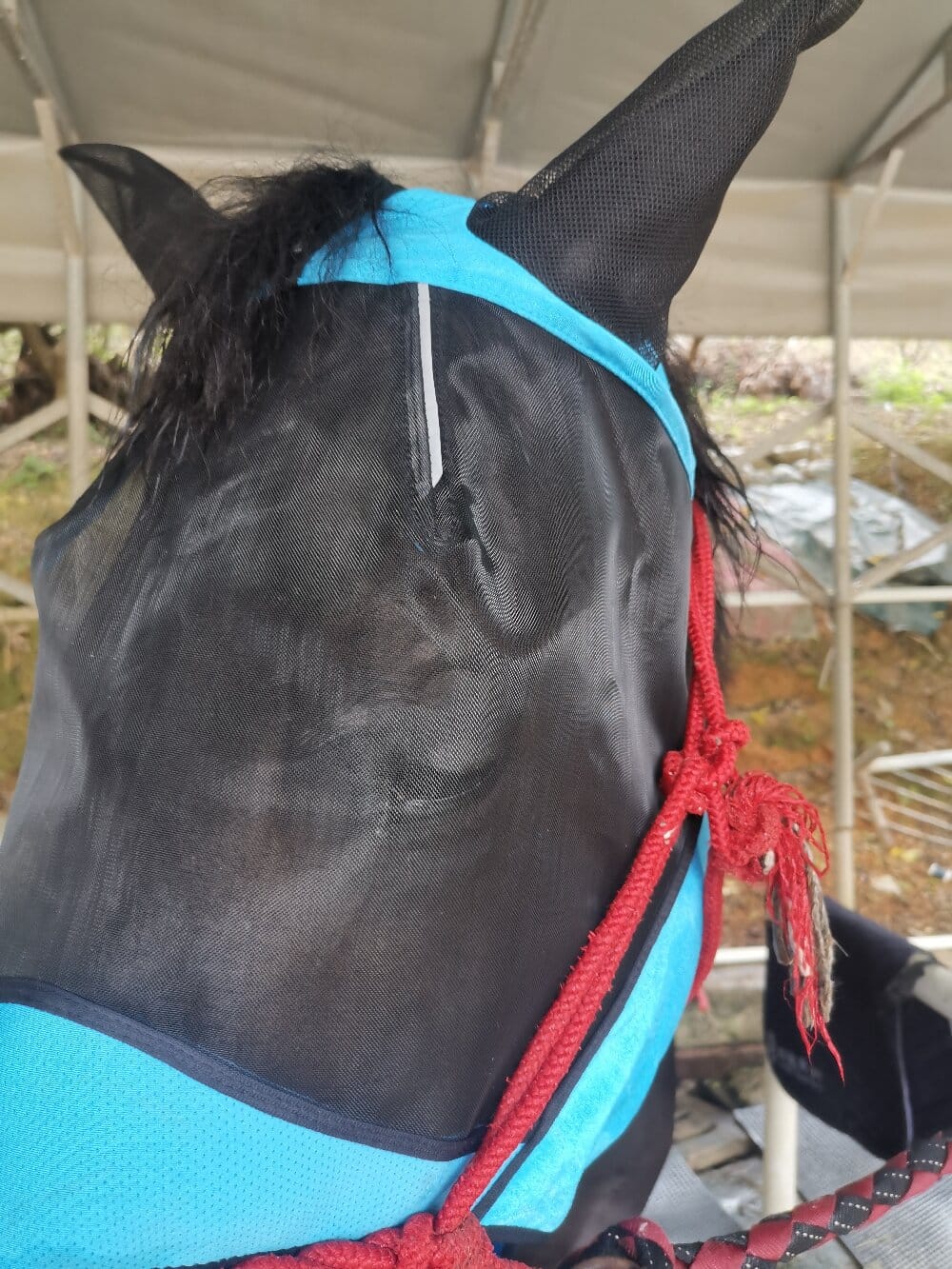
In equine management, fly control remains a persistent challenge, particularly during warmer months when insect pressure peaks. This case study examines the use of a horse fly mask on a small boarding facility with four geldings over a twelve-week period. The objective was to observe how a standard mesh fly mask influenced comfort, insect bite frequency, and behavioral stress indicators. Secondary considerations included durability and ease of daily application. The findings offer a practical reference point for owners considering whether this piece of protective equipment suits their herd.
Background and Study Setup
The facility, located in a temperate region with mixed pasture and dry lot access, had historically reported seasonal sweet itch and face-rub lesions. Two of the four horses had previously shown sensitivity to biting flies. During the observation period, all horses wore a horse fly mask with ear coverage during turnout hours, typically eight to ten hours per day. The masks were removed at night and inspected for wear. No other changes to diet, turnout schedule, or fly spray use were introduced, allowing the study to isolate the mask’s contribution as much as possible.
Data collection relied on daily visual checks, weekly photographic records of the face and ears, and staff notes on behavior during peak insect activity, generally late morning and early evening. Rider observations were also logged for signs of head tossing or reluctance during groundwork.
Observed Outcomes with the Horse Fly Mask
Across the twelve weeks, several consistent patterns emerged. The most notable improvement was a reduction in periocular irritation. The two sensitive geldings showed fewer rub marks and less tearing compared with the previous season’s records. Staff reported that applying fly repellent around the face became less necessary, reducing labor and chemical exposure.
Behavioral notes indicated calmer turnout sessions. Head tossing and stamping decreased in frequency, particularly during the first two hours after turnout. While these observations are subjective, they align with the expected function of fine mesh barriers. The following list summarizes the primary results:
- Reduced visible bite lesions on the muzzle and around the eyes.
- Lower incidence of head tossing during peak fly hours.
- Improved ease of handling during fly season, with fewer avoidance behaviors.
- No cases of mask-related rubbing or hair loss when fit was checked daily.
- Average lifespan of one mask per horse per season under regular use.
Practical Considerations and Limitations
Durability varied by design. Masks with reinforced stitching at the ear openings and a wide throat strap lasted longer. One mask lost a portion of its mesh after catching on a fence, which suggests the importance of daily inspection. Fit proved critical; masks that were too loose shifted during rolling, while overly tight straps left temporary indentations. The study also noted that masks do not replace pasture management, such as manure removal, and should be viewed as one component of an integrated fly control plan.
Another limitation was weather. During heavy rain, wet mesh dried slowly and required a spare mask to maintain coverage. Owners should budget for at least two masks per horse to allow rotation and cleaning.
Conclusion
This case study supports the use of a horse fly mask as a practical, low-labor addition to seasonal insect control. The observed reduction in facial irritation, calmer turnout behavior, and reduced reliance on topical repellents suggest meaningful welfare benefits for horses with insect sensitivity. However, success depends on correct fit, routine inspection, and integration with broader pasture hygiene. For facilities seeking an objective, repeatable approach to fly management, the fly mask for horses deserves consideration as a standard turnout item during peak season.