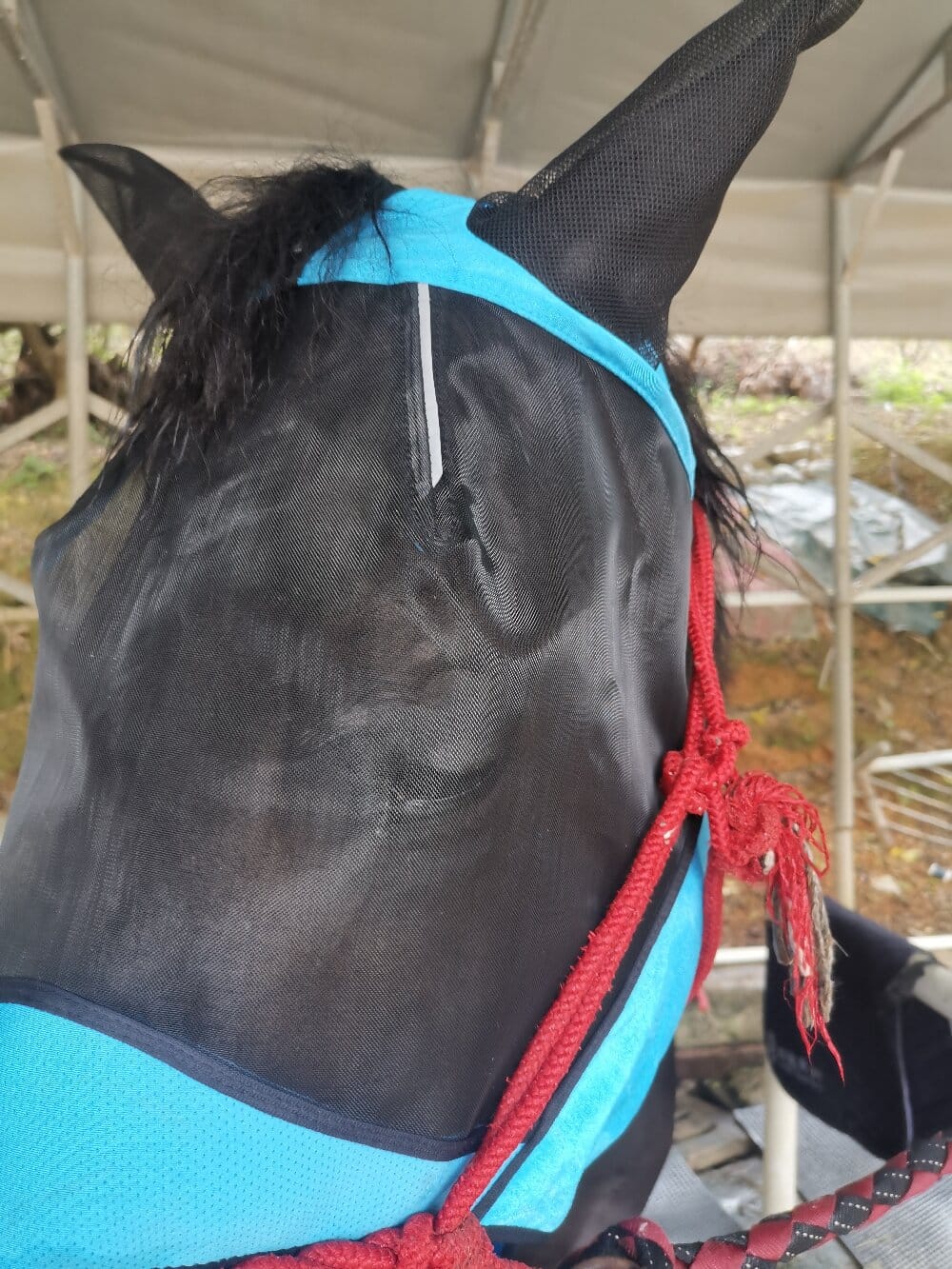
When Sarah, a dressage rider in Kentucky, first noticed her mare tossing her head and rubbing her face against the fence, she assumed it was a minor seasonal annoyance. Two weeks later, the mare had developed raw patches around her eyes and a painful sensitivity to sunlight. Sarah’s veterinarian diagnosed a combination of insect bite hypersensitivity and photophobia—and recommended a horse fly mask as the first line of defense. Her experience reflects what many equestrians discover: the right horse fly mask is not a luxury accessory but a core piece of equine welfare equipment, especially for horses with pink skin, thin coats, or a history of eye issues. This case study perspective draws on the observations of owners, veterinarians, and barn managers to show how fly masks perform in practice and where expectations can diverge.
Case Study: One Mare, Three Perspectives on the Horse Fly Mask
Sarah’s story is instructive because three different stakeholders viewed the same product through different lenses. From the owner’s perspective, the priority was comfort and staying power—a mask that survived turnout without slipping or rubbing. From the veterinarian’s perspective, the key concern was UV protection and airflow, since a poorly ventilated mask can trap heat and moisture, worsening skin irritation. From the barn manager’s perspective, durability and ease of cleaning mattered most, because a mask that needs daily adjustment wastes labor and often ends up lost in the field. All three agreed on one point: fit is everything. A mask that gaps at the edges lets in the very flies it is meant to block, while one that fits too tightly can cause pressure sores along the browband and cheek.
What the Evidence Shows About Fly Masks for Horses
Across the cases reviewed, several practical patterns emerged that owners can apply directly:
- Mesh density matters. Fine mesh blocks tiny biting midges (culicoides) that coarser masks let through, which is critical for horses prone to sweet itch.
- UV-blocking fabric helps horses with photosensitivity, uveitis risk, or bald faces, reducing sunburn and glare.
- Ear coverage is optional but valuable in peak fly season; removable ears make the mask more versatile.
- Reinforced binding and double stitching at the nose and brow extend lifespan, especially for horses that rub.
- Fleece-lined edges reduce chafing on sensitive skin during long turnout hours.
Veterinarians in these cases consistently emphasized that a fly mask should complement—not replace—fly spray, shelter, and manure management. One equine ophthalmologist noted that masks are particularly valuable for horses recovering from corneal ulcers, provided the mask is clean and changed regularly to prevent bacterial buildup.
Common Mistakes and How to Avoid Them
The case studies also revealed recurring errors. Owners frequently buy a mask without measuring the horse’s head, resulting in slippage or rubbing behind the ears. Others leave a single mask on for weeks without washing, allowing dirt and sweat to accumulate against the skin. A third common issue is using a mask on a horse turned out with herdmates who chew or pull at straps; in these situations, breakaway or Velcro closures prevent injury. Barn managers interviewed recommended keeping at least two masks per horse in rotation so one can be laundered while the other is worn—a simple habit that extends product life and protects skin health.
Conclusion: Lessons From the Field
The takeaway from these real-world cases is straightforward. A well-fitted horse fly mask, chosen with attention to mesh density, UV protection, and edge comfort, delivers measurable relief for horses bothered by flies and sunlight. Owners should measure carefully, rotate and wash masks regularly, and consult their veterinarian for horses with eye conditions or severe insect hypersensitivity. When owners, vets, and barn staff share their perspectives, the result is better protection—and a more comfortable horse through every fly season.