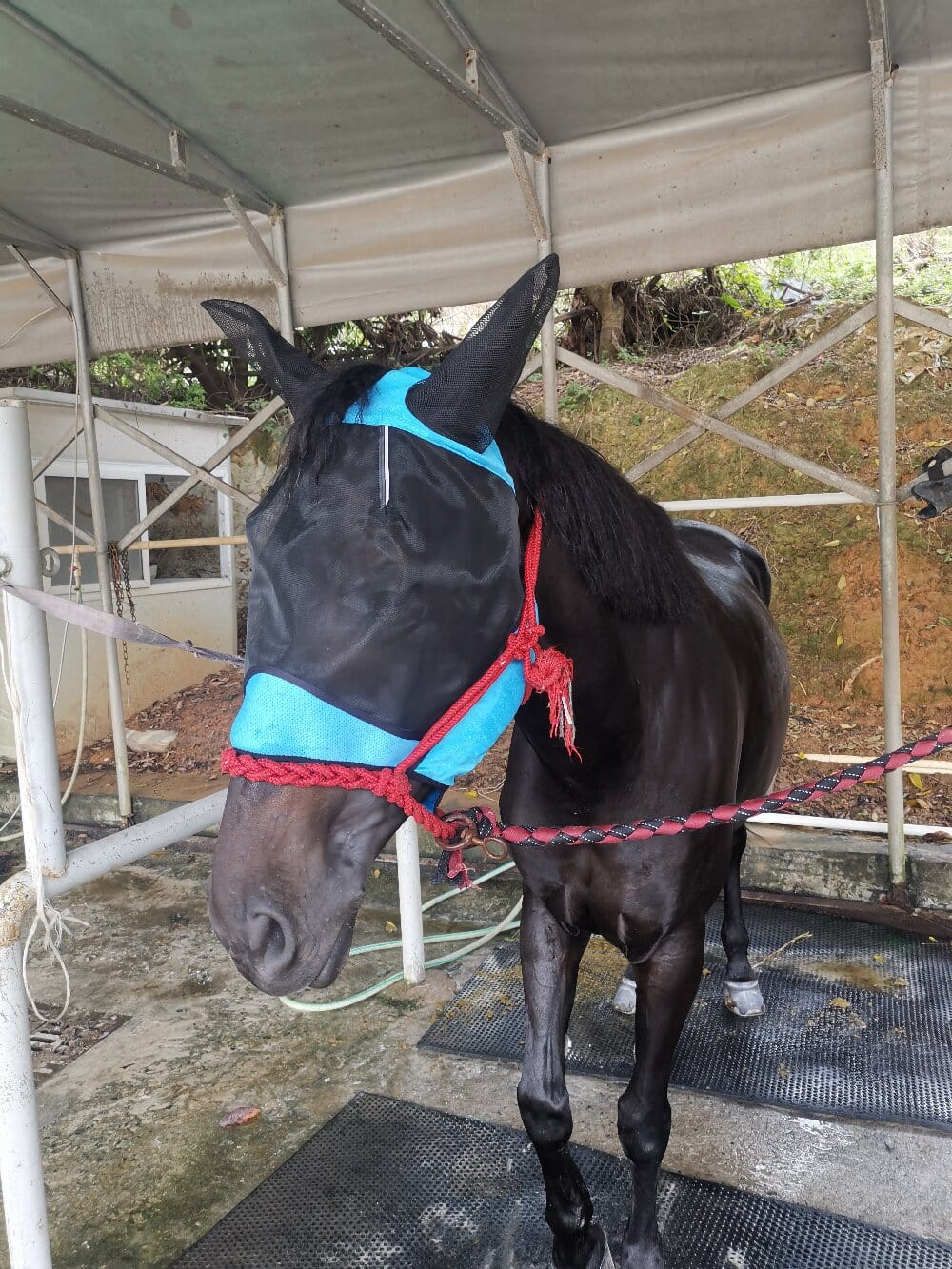

When a boarding stable in Kentucky noticed summer head-shaking, weepy eyes, and small welts along their horses’ cheekbones, the barn manager turned to a simple piece of tack: the horse fly mask. What began as a quick fix became a season-long study in comfort, compliance, and cost. Looking at that barn alongside two others—a small private farm and a busy lesson program—reveals how a humble fly mask for horses shapes daily care in ways owners rarely stop to consider.
Case Study: The Kentucky Boarding Barn
At the Kentucky facility, 22 horses shared pastures bordered by standing water and shady tree lines—prime habitat for stable flies and face flies. Before the mask trial, the manager logged vet visits for corneal irritation and treated an average of four horses per week for facial dermatitis. After introducing fitted fly masks with ear coverage and nose fringes, reported eye irritation dropped by roughly 60 percent over eight weeks. The manager’s takeaway: proper fit mattered more than brand. Masks that gaped at the poll let insects crawl underneath, while oversize masks rubbed the cheekbones during turnout.
Multi-Perspective: Owners, Veterinarians, and Trainers Weigh In
Perspectives diverged sharply, and each one adds nuance to the horse fly mask conversation.
- Owners valued convenience and durability. Washable mesh and reinforced binding justified a slightly higher price because masks survived mud, fencing, and curious pasture mates.
- Veterinarians focused on prevention. One equine practitioner noted that shielding the eyes reduces UV exposure and fly-borne irritation, especially for horses with pink skin or recurring conjunctivitis, though she stressed daily checks for rubs and trapped debris.
- Trainers worried about desensitization. A lesson program director admitted initial resistance—some horses tossed their heads at first—but found that short acclimation periods and correctly sized masks solved most issues within days.
- Barn staff raised the practical point: masks get lost. The Kentucky barn solved this with labeled spares and a morning turnout checklist.
Choosing the Right Fly Mask for Horses
The three-barn comparison produced a practical checklist for anyone shopping for insect protection:
- Measure the head accurately—from poll to nose—and check the sizing chart rather than guessing.
- Prioritize breathable mesh and soft binding to prevent rubs during long turnout hours.
- Consider ear and nose coverage if flies target those areas, but ensure nothing obstructs vision.
- Plan for at least two masks per horse so one can be washed while the other is worn.
- Inspect daily for fit changes, wear, and any sign of irritation beneath the edges.
Secondary details matter too: UV-blocking fabric helps light-sensitive horses, and reflective trim improves visibility in low light. The private farm owner in the study favored lightweight summer masks for turnout and heavier ear-covered versions for trailering, showing that one style rarely covers every situation.
Costs, Compliance, and Lessons Learned
Budget realities surfaced in every barn. The lesson program calculated that preventing one veterinary eye exam roughly equaled the cost of several quality masks, making the economics straightforward. Compliance, however, depended on habit—masks applied at turnout and removed at night became as routine as blanketing. The Kentucky manager summed up the study’s central finding: a fly mask works only when it fits, stays on, and gets checked daily. Barns that treated masks as disposable accessories saw poor results; those that treated them as routine equipment saw calmer, more comfortable horses.
Summary
Across three very different facilities, the horse fly mask proved to be a small investment with outsized returns: fewer irritated eyes, less face rubbing, and reduced vet bills. Owners, veterinarians, and trainers each bring a distinct lens, but their conclusions converge on fit, durability, and daily diligence. Whether managing a large boarding operation or a single companion horse, selecting a well-fitted mask and building it into the turnout routine delivers measurable comfort through fly season.