
If you have ever watched your horse stomp, swish, and toss its head through the summer months, you already know how much flying insects can disrupt a day of turnout or training. A horse fly mask is one of the simplest, most cost-effective tools in your tack room, but choosing and using one well takes a little know-how. Whether you are a first-time horse owner, a barn manager, or a seasoned competitor, this practical guide will walk you through what these masks do, how to pick the right one, and how to get the most value from your purchase.
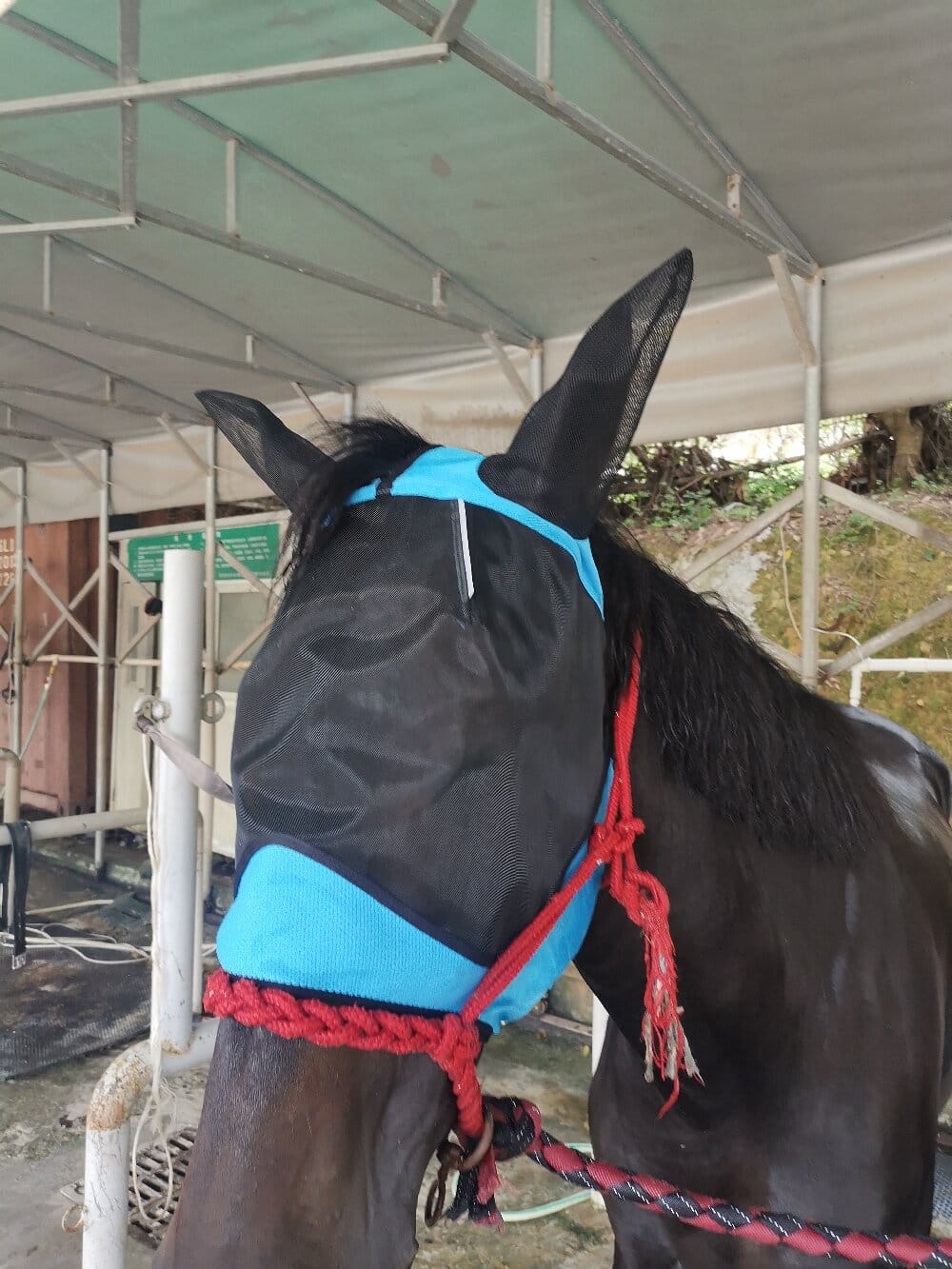
At its core, an equine fly mask is a lightweight mesh covering designed to shield the eyes, ears, and sometimes the muzzle from flies, gnats, and other biting insects. The mesh blocks insects from landing on sensitive skin while still allowing airflow and visibility. Many designs also filter some UV light, which can help horses with photosensitivity or pink skin around the eyes. Beyond comfort, a good mask reduces the risk of insect-borne irritation, eye infections, and the head tossing that comes with constant biting pressure.
From a veterinarian’s perspective, masks are especially valuable for horses prone to conjunctivitis or recurrent eye issues. From a trainer’s point of view, they keep a horse’s focus on work rather than on the swarm around its ears. And from the horse’s perspective, quite simply, they offer relief.
Choosing the Best Fly Mask for Your Horse
Not all masks are created equal, and the right choice depends on your horse, your climate, and your routine. Keep these factors in mind:
- Fit and sizing: A mask should sit snugly without pressing on the eyes or rubbing the ears. Measure from under the jaw to behind the ears, and check size charts carefully, as brands vary.
- Coverage: Standard masks protect the eyes and ears. Full-face versions with nose extensions add muzzle protection, which matters in areas with heavy biting fly pressure.
- Mesh and materials: Fine mesh blocks tiny gnats, while heavier mesh lasts longer in rough turnout. Look for soft binding around the edges and fleece padding at pressure points.
- Fastenings: Hook-and-loop straps are convenient, but check them daily. Some horses learn to remove masks, so a secure fit matters as much as the closure style.
- UV protection: If your horse has a pink muzzle or thin skin, choose a mask rated for UV blocking.
Horses with fly masks that incorporate ear covers often seem calmer in peak insect season, while horses with sensitive skin may prefer masks with fewer seams. There is no single best option, only the best match for your individual animal.
Fitting and Daily Care Tips
A new mask should be checked for rubs during the first week of use. Inspect the eyes, ears, and jawline daily, and adjust straps so two fingers fit comfortably underneath. Remove the mask at least once a day to check for dirt, sweat, and skin irritation, and wash it regularly with mild soap and warm water. Rotating between two masks extends their lifespan and keeps one clean while the other dries.
- Introduce the mask gradually, especially for young or nervous horses.
- Check the fit after turnout, since rolling and rubbing can shift straps.
- Replace masks at the first sign of fraying, stretched mesh, or broken closures.
- Store masks clean and dry when the season ends to prevent mildew.
Common Mistakes to Avoid
Buying purely on price often leads to poor fit and rubbing, which can do more harm than good. Leaving a mask on 24/7 without inspection risks trapped debris and skin problems. And assuming one mask suits every horse ignores differences in head shape and sensitivity. Take the time to fit, monitor, and maintain your mask, and it will earn its place in your summer routine.
Final Thoughts
A horse fly mask is a small investment with a big payoff: calmer horses, healthier eyes, and more comfortable days in the field. Match the mask to your horse’s needs, check the fit often, and keep it clean. Do that, and both you and your horse will get through fly season with far less stomping and far more peace.