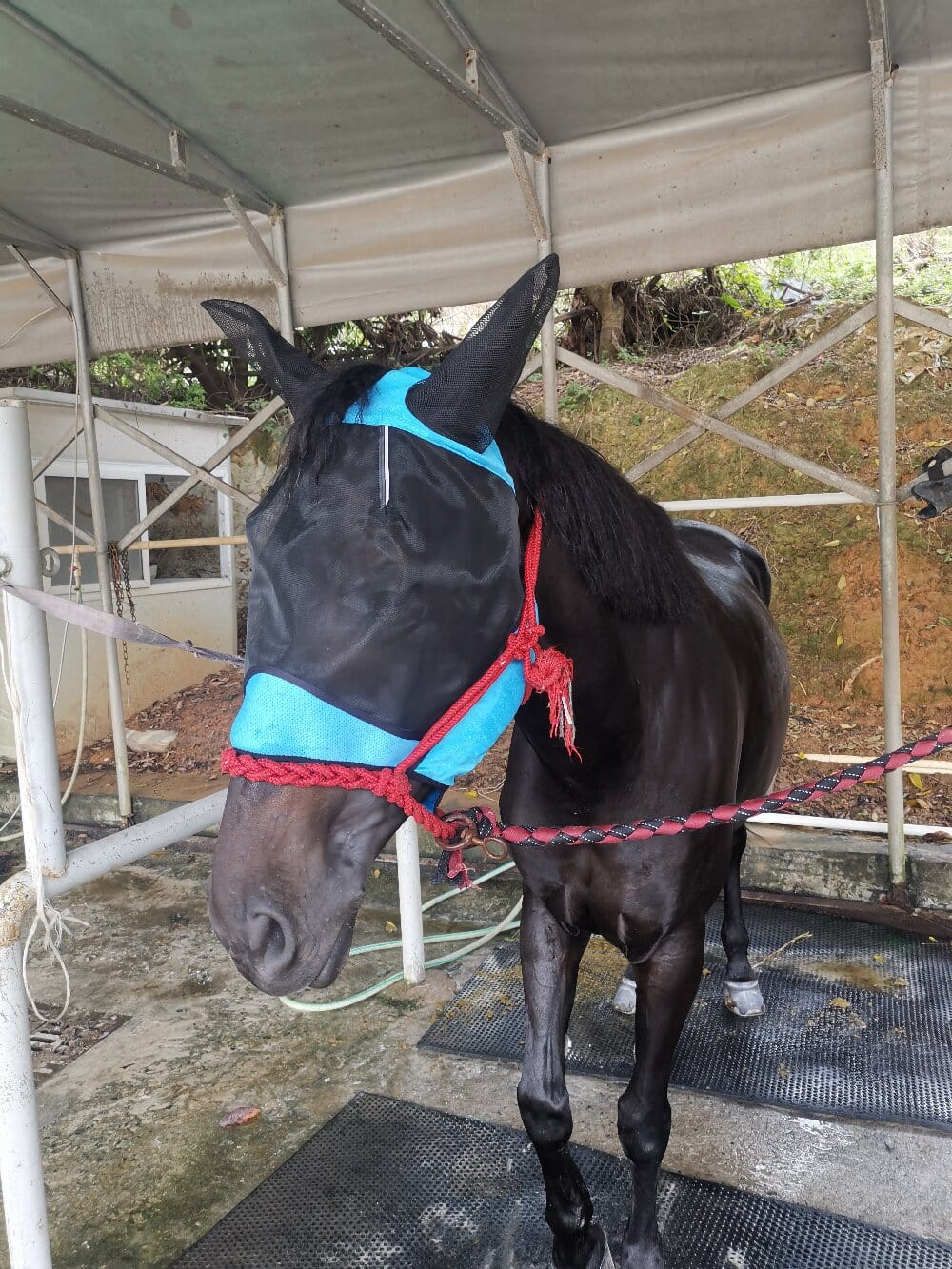
As a veterinary equine specialist with over two decades of field experience, I can tell you without hesitation that the humble horse fly mask is one of the most underrated pieces of tack in your barn. Every summer, I see the same preventable conditions walk into my clinic: inflamed eyes, corneal ulcers, and stress-induced weight loss, all triggered by relentless fly pressure. A well-fitted fly mask is not a luxury—it is essential protective gear.
Flies target the eyes and ears because those areas offer moisture and thin skin. Face flies in particular feed on ocular secretions, and their mouthparts can transmit bacteria directly onto the cornea. In my practice, the majority of summertime conjunctivitis cases I treat could have been avoided with consistent use of a quality fly mask. Beyond infection risk, constant head-shaking and stamping burns calories and erodes training focus. When I evaluate a horse’s summer management plan, eye protection is one of the first things I ask about.
Choosing the Right Horse Fly Mask: An Expert’s Checklist
Not all masks are created equal, and the wrong one can do more harm than good. Here is what I look for when recommending eye protection to my clients:
- Fit around the brow and muzzle: The mask should sit clear of the eyelashes and never rub the bony ridge above the eye. Gaps invite flies in; tight edges cause rubs.
- Fabric and visibility: Look for fine mesh that blocks insects but still allows clear vision. A darkened or overly dense weave can spook a sensitive horse.
- Ear and forelock accommodation: Masks with ear covers help with ear ticks and biting midges, but ears must never be pinched or folded.
- Breathability: In humid climates, ventilation panels reduce sweat buildup and heat stress under the mask.
- Secure fastenings: Wide, adjustable hook-and-loop straps hold better than thin cords and reduce pressure points.
I also advise clients to buy two masks per horse and rotate them. Daily washing keeps bacteria and dirt from accumulating against the skin—a detail many owners overlook until a rub appears.
Fitting and Monitoring: Lessons From the Field
Proper fitting takes five minutes and saves weeks of aggravation. Slide the mask on, then check that you can fit two fingers under every edge. Watch the horse move in turnout: if the mask shifts or the horse rubs its head on fences, the size is wrong. During hot spells, remove the mask daily to inspect the face for sweat rash, rubbed hair, or discharge. Horses with pre-existing eye conditions or those recovering from injury should only wear a mask under veterinary guidance, since some corneal issues require an open, monitored environment.
Beyond the Mask: A Complete Fly-Control Strategy
Eye protection works best as part of a layered approach. I recommend pairing masks with fly repellent around the ears and throat, strategic turnout during low-insect hours, and vigilant manure management. No single product eliminates flies, but consistent use of a well-fitted mask dramatically reduces ocular irritation and insect-borne risk.
Final Thoughts
In my years treating equine eye injuries, I have learned that prevention is far cheaper and kinder than treatment. A properly fitted fly mask protects vision, reduces stress, and supports overall wellbeing through the toughest months of the year. Inspect yours regularly, replace worn mesh promptly, and treat this simple piece of equipment with the same care you give your saddles and bridles. Your horse’s eyes will thank you.