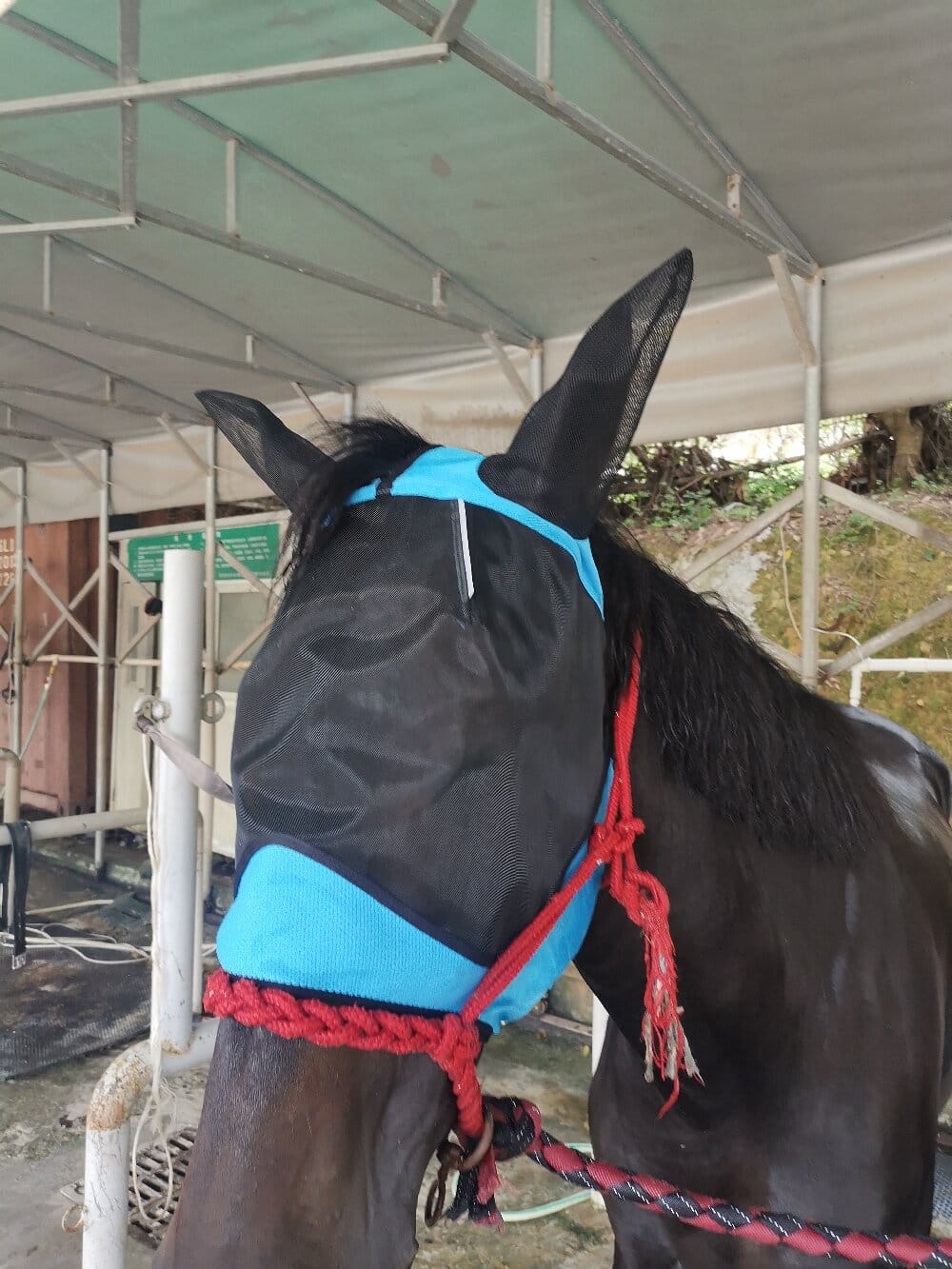
A horse fly mask is one of the most practical pieces of equine equipment I have used over the years, particularly during the warmer months when biting insects become a constant nuisance. From my experience managing horses in pasture and stable settings, these lightweight mesh covers serve a clear purpose: they protect the sensitive areas around a horse’s eyes, ears, and face from flies, gnats, and other pests. While the concept seems simple, choosing and using the right fly mask involves more consideration than many owners initially expect. This article shares practical observations gathered from regular use, focusing on fit, materials, and maintenance rather than marketing claims.
Choosing the Right Horse Fly Mask for Your Animal
Fit is the single most important factor in whether a fly mask works as intended. A mask that is too tight can rub against the skin and cause sores, while one that is too loose may shift or be pulled off easily. In my experience, measuring the distance from the poll to the nose and checking the width across the cheekbones provides a reliable starting point. Many manufacturers offer sizing charts, and it is worth comparing these against actual measurements rather than guessing.
Material quality also matters. Masks made from durable, breathable mesh tend to hold up better across a season of daily wear. Fleece padding along the edges reduces friction, and adjustable straps at the throat latch help keep the mask secure without restricting movement. Owners should also consider whether they need a mask with ear coverage, a nose extension for UV protection, or a design that accommodates a fly fringe underneath.
Practical Tips for Daily Use and Maintenance
Even a well-made horse fly mask requires regular attention to remain effective and comfortable. Based on routine use, the following practices have proven useful:
- Check the mask daily for tears, loose stitching, or stretched elastic, since small faults can quickly become larger ones.
- Remove the mask at least once a day to inspect the skin beneath it for rubbing, hair loss, or irritation.
- Rinse the mesh periodically with mild soap and water to remove dust and sweat, then allow it to air dry fully before reapplying.
- Introduce the mask gradually to young or sensitive horses, allowing short supervised sessions before leaving it on for extended periods.
- Keep a spare mask on hand, as straps and mesh can fail at inconvenient times during peak fly season.
It is also worth noting that a fly mask is not a substitute for broader insect control. Combining mask use with stable hygiene, fly repellents, and thoughtful turnout timing tends to produce better results than relying on any single measure. In pastures with heavy fly pressure, I have found that rotating masks and checking them after turnout catches problems early.
Common Mistakes to Avoid
One recurring issue is leaving a mask on a horse that has begun to rub it against fences or water troughs, which can accelerate wear and cause abrasions. Another is assuming that a mask fitted in spring will still fit correctly after a change in body condition. Seasonal weight changes can alter the fit around the head and jaw, so periodic refitting is sensible. Finally, owners should avoid masks with rough internal seams, as these are a frequent source of discomfort even when the exterior appears well finished.
Summary
A horse fly mask is a straightforward but valuable tool for protecting horses from flying insects and related irritation. Success depends on accurate sizing, durable mesh and padding, and consistent daily checks. By inspecting the mask regularly, cleaning it when needed, and refitting as body condition changes, owners can extend its useful life and keep their horses comfortable through fly season. Used alongside general insect control measures, a well-chosen mask remains a reliable part of routine equine care.