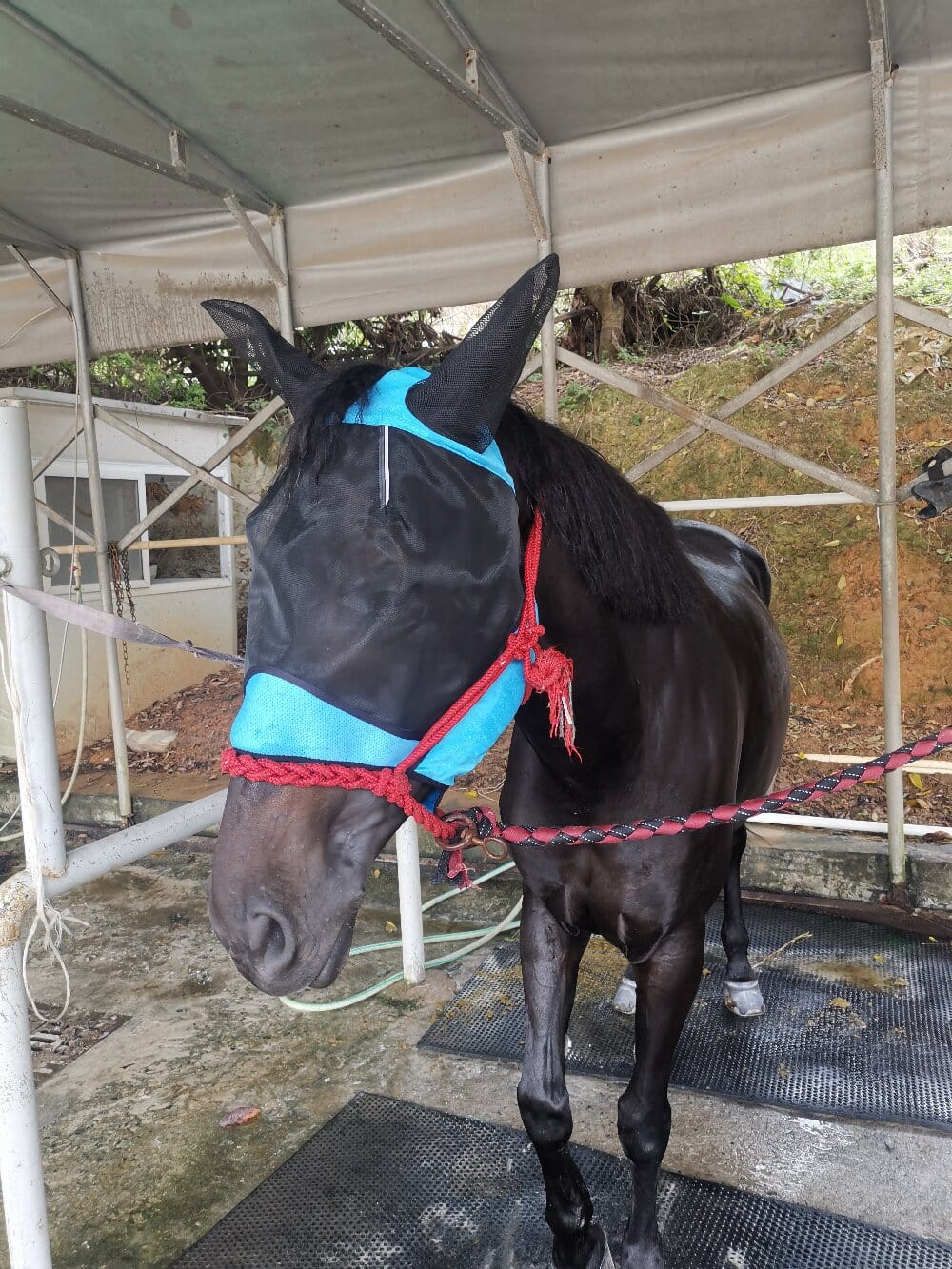
Every horse owner knows the frustration of watching their animal toss its head, stamp its hooves, and rub its face raw against a fence post. Flies are more than a nuisance—they are a genuine welfare and performance issue. A well-chosen horse fly mask is one of the simplest, most cost-effective solutions available, but only when it is matched to the horse, the season, and the environment. This guide approaches the topic from a problem-solving angle, offering perspectives from veterinary welfare, everyday barn management, and practical budget planning.
Before shopping, it helps to understand what you are fighting. Face flies cluster around the eyes and nostrils, feeding on tears and mucus and acting as vectors for pinkeye and other infections. Biting midges and black flies target the ears, muzzle, and jaw, causing sweet itch, welts, and hair loss. The behavioral fallout is just as serious: constant head tossing, reduced grazing time, poor concentration under saddle, and in severe cases, self-trauma from rubbing.
From a veterinary perspective, the goal is not total fly elimination—that is unrealistic—but breaking the cycle of landing, biting, and irritation. A physical barrier over the most sensitive areas of the head does exactly that, reducing both direct damage and disease transmission.
Choosing the Right Horse Fly Mask for Your Situation
Not all masks are created equal, and the best choice depends on your specific challenge. Ask yourself these questions before buying:
- What is the main threat? Standard mesh masks handle face flies; fine mesh with ear covers suits midge-heavy areas; extended nose coverage helps with black flies and sun sensitivity.
- Is the horse turned out 24/7? Then durability, secure closures, and UV protection matter more than a snug show-ring fit.
- Does the horse wear it under a bridle? Look for streamlined designs without bulky seams or protruding darts that could rub.
- Is the horse a mask escape artist? Seek models with adjustable throat straps and reinforced binding.
From a barn manager’s viewpoint, fit is everything. A mask that slips down over the eyes is dangerous, while one that is too tight creates pressure points and rub marks. Measure from the top of the head to the end of the nose, check the width across the cheeks, and always introduce the mask gradually with positive reinforcement.
Rider and Trainer Perspective: Performance Benefits
For ridden horses, fly pressure is a training distraction, not just a comfort issue. A horse constantly shaking its head cannot focus on the aids, and head-shaking behavior can become a learned habit even after the flies are gone. Using a lightweight, breathable mask during turnout and hacking protects the eyes and ears while allowing full visibility and airflow. Trainers often report calmer warm-ups and steadier contacts when fly pressure is managed consistently.
Budget-Conscious Perspective: Getting Value Without Compromise
Masks range from economical basic nets to premium UV-blocking designs. The smart approach is to buy two mid-range masks rather than one expensive one—rotate them so each can be washed and inspected. Check daily for frayed mesh, stretched elastic, and missing straps, and replace immediately at the first sign of wear. Washing in mild soap and air-drying extends life significantly, and having a spare on hand means no gap in protection.
Practical Summary
Solving fly-related head irritation comes down to matching the barrier to the pest, ensuring a correct and safe fit, and maintaining the gear consistently. A quality horse fly mask reduces discomfort, lowers the risk of eye and skin problems, and supports better behavior both in the field and under saddle. Inspect daily, wash weekly, replace when worn, and pair the mask with good stable hygiene and fly control for the best results.