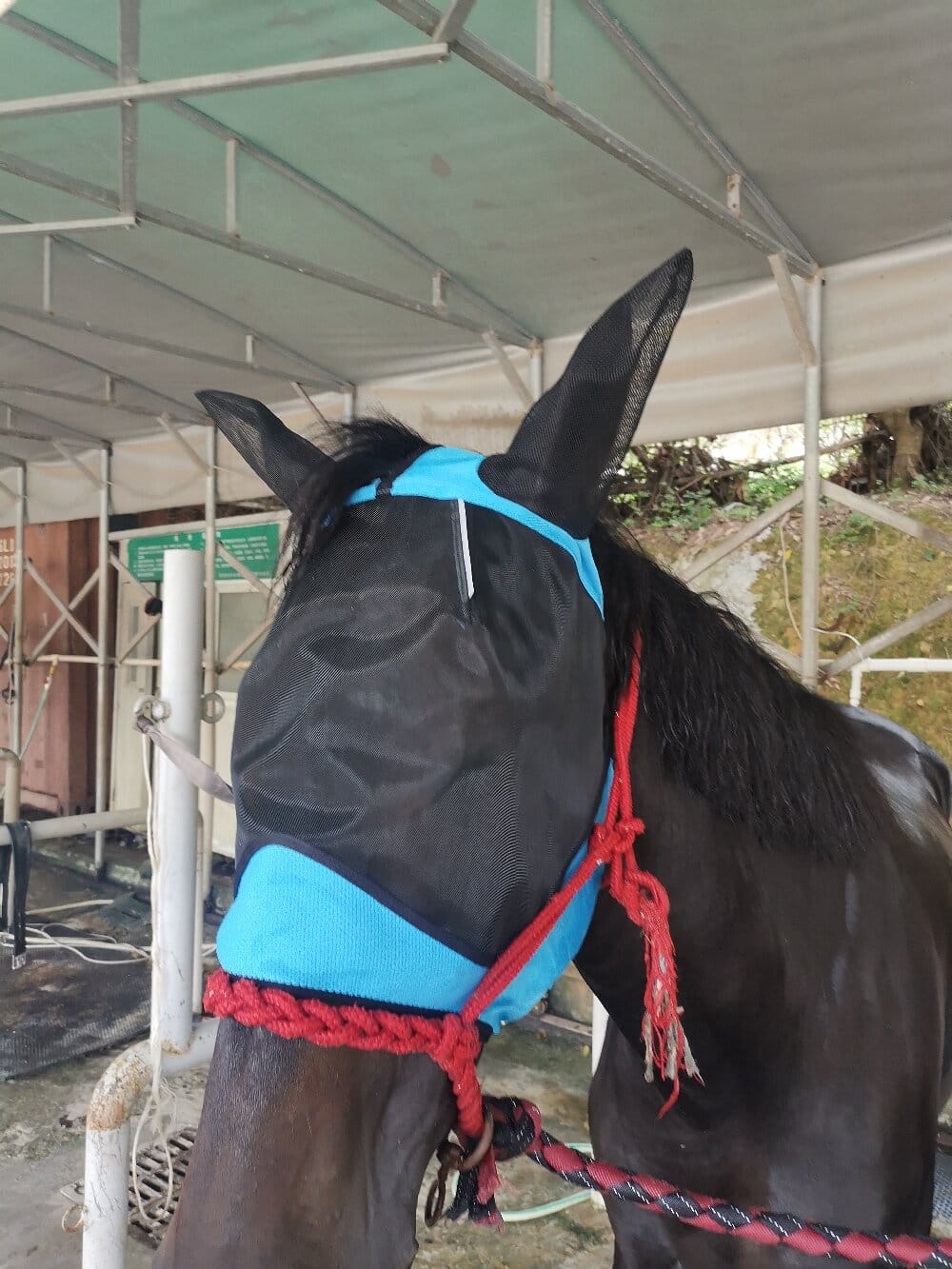

After a few summers of watching my gelding toss his head against the flies, I finally gave a horse fly mask a serious try—and it changed our entire turnout routine. What started as a skeptical experiment quickly turned into one of those barn staples I now recommend to every rider I meet. Whether you board at a busy facility or keep horses at home, fly season can turn even the calmest horse into a head-shaking, fence-walking bundle of irritation. A well-chosen fly mask is one of the simplest, most effective tools for protecting your horse’s eyes and face without constant chemical applications.
My first mask was a cheap nylon piece I bought on impulse. It lasted two weeks before the seams gave out, but those two weeks were eye-opening. My horse stopped rubbing his face on the fence, his eyes were less watery, and he seemed far more relaxed in the pasture. Since then, I’ve tested masks across different seasons, breeds, and budgets, and I’ve learned that the difference between a useful mask and a frustrating one comes down to a few key factors.
Veterinarians and experienced horse owners agree that reducing fly exposure supports eye health. Flies can spread irritants and bacteria, and horses with light-colored faces or sensitive skin are especially vulnerable. A fly mask for horses acts as a physical barrier, cutting down on direct contact and helping prevent the minor infections and irritation that can escalate quickly during hot weather.
Choosing the Right Horse Fly Mask: Lessons From the Barn Aisle
Not all masks are created equal, and the wrong fit can do more harm than good.
- Fit first: The mask should sit away from the eyes, with enough room for lashes to move freely. Too tight causes rubs; too loose invites removal by a clever pasturemate.
- Material matters: Breathable mesh keeps vision clear while blocking flies. Heavier fabrics offer more durability for horses that test fences and trees.
- Ear options: Removable ear covers are a smart compromise—use them during peak fly hours and remove them when your horse is stabled.
- Fastenings: Double velcro straps and a throat-latch design stay put better than single-strap styles, especially for horses that roll frequently.
Another lesson learned the hard way: rotate at least two masks. They get dusty, sweaty, and stretched, and having a clean backup means you’re never tempted to leave a damp, dirty mask on your horse. Wash masks regularly in mild soap and air-dry them to protect both the fabric and your horse’s skin.
What Other Owners Say: A Multi-Perspective Look
The trainer at my barn swears by full-coverage masks with nose extensions for horses turned out on sandy ground, since they also reduce sunburn on pink muzzles. A dressage friend prefers sleek, low-profile designs under bridles during summer schooling sessions. A rescue volunteer I ride with emphasizes checking masks daily for rub marks, especially around the ears and forehead, and adjusting straps as manes grow and shed. Their shared takeaway: the best fly mask is the one your horse will actually keep on and tolerate—so trial and adjustment matter more than brand loyalty.
Related gear also helps. Pairing a mask with a fly sheet, fans in the stall, and vigilant manure management creates a layered defense that keeps flying insects from taking over your routine.
Final Thoughts
A horse fly mask is a small investment with a big payoff: calmer horses, healthier eyes, and fewer hours spent fighting the fly battle. Start with a well-fitted, breathable mask, keep a backup on hand, and check it daily. Your horse will thank you with fewer head shakes and far more peaceful turnout time.