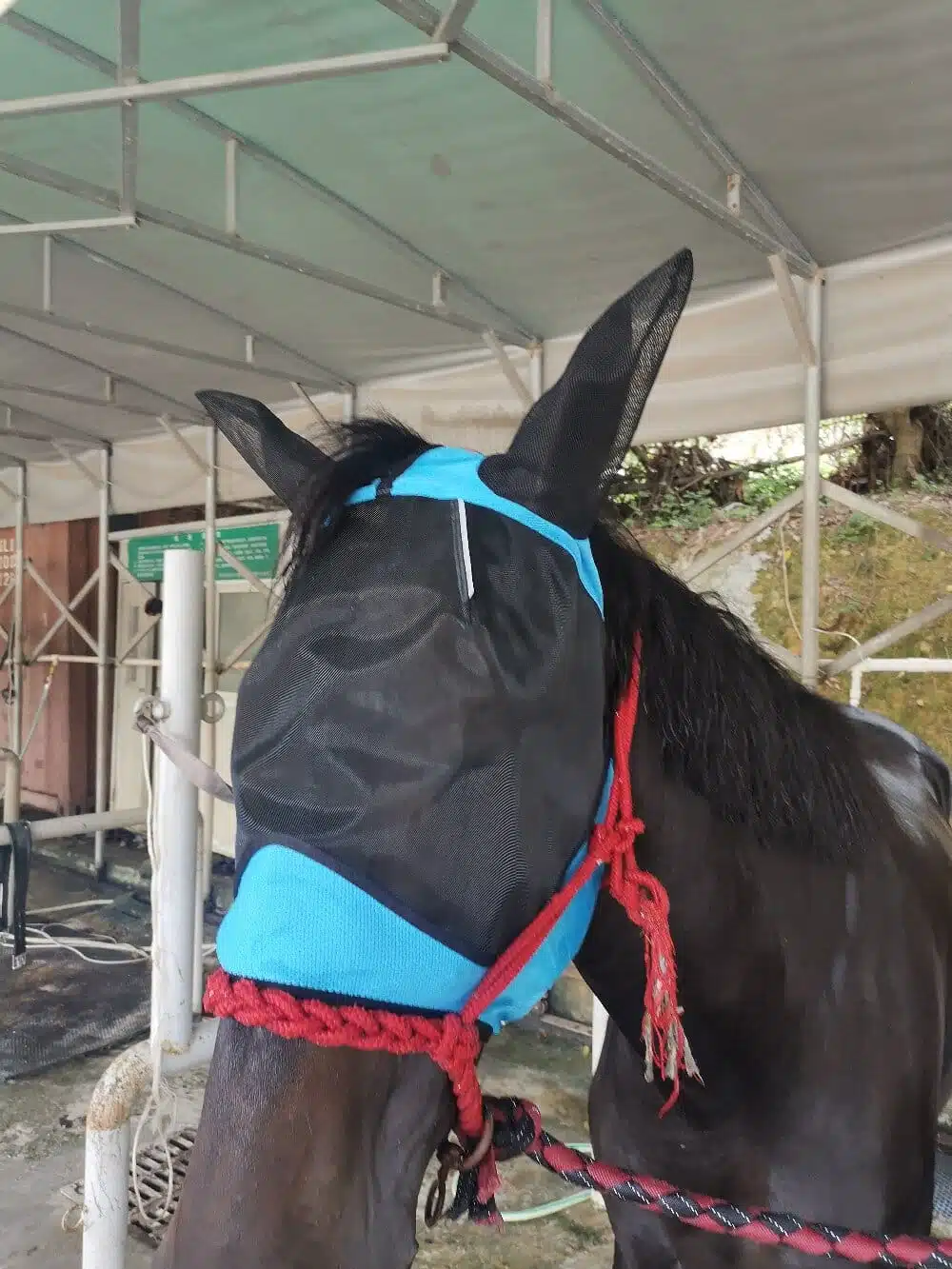

If you own a horse, you already know that summer brings more than long trail rides and dusty arenas—it brings flies. Before you grab the first horse fly mask you see on the tack store shelf, slow down and compare your options. Not all masks are created equal, and the differences directly affect your horse’s comfort, safety, and your wallet. By taking a comparative approach, you can match the right mask to your horse’s turnout habits, face shape, and sensitivity. This guide walks you through the key comparisons so you can shop with confidence rather than guesswork.
Compare Materials: Mesh Denier and Breathability
The first comparison to make is fabric weight. Fly masks typically range from fine 300-denier mesh to heavier 600-denier or woven styles. Lighter mesh offers superior airflow and visibility, which suits clipped horses or those prone to sweating. Heavier mesh resists abrasion and holds up better against horses that rub their faces on fences. Ask yourself how your horse behaves at turnout: a quiet grazer can wear fine mesh comfortably, while a playful gelding may need a tougher weave. Also compare UV protection ratings—many masks block 60 to 90 percent of harmful rays, which matters for pink-skinned faces. Breathability is not a luxury; a mask that traps heat can cause your horse to sweat and rub, defeating its purpose.
Compare Fit and Fastening Systems
Fit is where cheap masks fail and quality masks earn their price. When you compare designs, look at three zones: the ears, the muzzle, and the throatlatch. Some masks slip over the ears like a hood, while others use reinforced ear openings with soft binding. Horses with sensitive ears often prefer fleece-lined edges; horses that routinely lose masks need secure double hook-and-loop closures. Compare adjustable straps too—elastic throatlatches stretch and may snap, while nylon straps with buckles last longer but require careful fitting to avoid rubbing. A well-fitted horse fly mask should sit off the eyes, leave room for whiskers, and stay put through rolling and head-shaking. If you can, measure your horse’s head length and width before ordering, and compare those numbers against each brand’s sizing chart.
Compare Specialty Features: Ears, Nose, and Fringe
Beyond the basics, masks diverge in add-ons. Compare these common variations:
- Ear coverage: Full-ear masks protect against biting midges but can trap heat; earless designs offer more airflow.
- Nose extensions: Longer masks shield the muzzle from sunburn and gnats, ideal for light-skinned horses.
- Fringe or tassel trim: Fringe deters face flies from landing near the eyes but may collect burrs.
- Forehead darts: Shaped seams reduce pressure on the brow and improve fit for broad-headed breeds.
Compare how each feature aligns with your local pest pressure. In wet, mosquito-heavy regions, ear and nose coverage pays off; in dry, dusty climates, minimal coverage keeps your horse cooler.
Compare Durability, Care, and Cost
Price tags tell only part of the story. Compare cost per season by weighing stitching quality, binding strength, and warranty. A bargain mask that tears in two weeks costs more than a durable one that lasts three summers. Check washing instructions: most quality masks are machine washable in a mesh bag, but some delicate fabrics demand hand washing. Compare replacement policies as well—brands that sell individual parts, like replacement straps, save you money long-term. Finally, read reviews from riders in your discipline; endurance riders value breathability, while pasture-kept horses need secure closures. A simple comparison chart of price, materials, and warranty will reveal the best value quickly.
Conclusion
Comparing horse fly masks before buying protects your horse from discomfort and saves you from repeat purchases. Focus on mesh weight and breathability, fit and fastening, specialty features, and long-term durability. Try one mask, check for rubs after a few days, and adjust as needed. With a thoughtful comparison, you will find a fly mask that keeps the pests out and your horse comfortable all season.