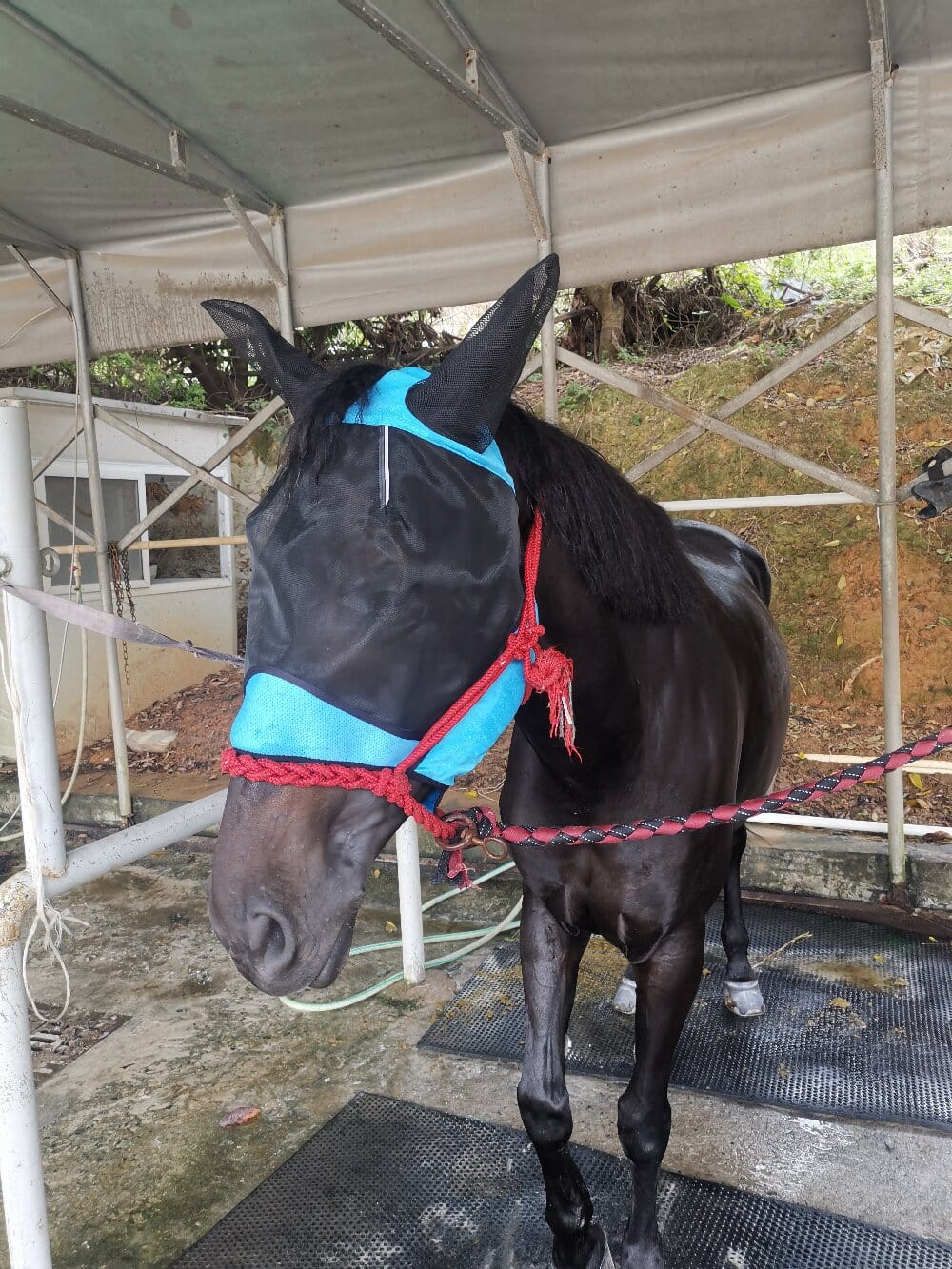
A horse fly mask is one of those pieces of tack that riders either swear by or overlook entirely, and the difference usually comes down to understanding what each design actually does. Comparing fly masks for horses isn’t simply a matter of picking the cheapest option or the most expensive one; it’s about matching construction, materials, and coverage to your horse’s environment, temperament, and turnout routine. Some owners need heavy-duty protection against biting insects in marshy pastures, while others just want a lightweight barrier for a sensitive horse during summer riding season. Looking at these products side by side reveals that the category is far more varied than it first appears.
Comparing Coverage Styles: Full-Face vs. Standard Horse Fly Masks
The first real dividing line in any comparison is coverage. Standard masks shield the eyes and often the ears, leaving the muzzle and jaw exposed. Full-face versions extend protection down over the nose, which matters enormously for horses prone to insect bites around the muzzle or those living in areas with dense deer fly populations. From a welfare perspective, full coverage sounds superior, but it introduces trade-offs: reduced airflow, more fabric to clean, and a greater chance of rubbing along the noseband area. A practical compromise many owners reach is a standard mask for everyday turnout paired with a detachable nose attachment for peak bug season.
Materials Compared: Mesh Density, UV Protection, and Durability
Fabric choice separates budget masks from premium ones more than any other factor. Fine mesh blocks tiny biting midges but can trap heat; coarser mesh breathes better but lets smaller insects through. UV-blocking weaves add another layer of value, protecting pink-skinned horses from sunburn while shielding the eyes from glare. When comparing durability, look at the binding and stitching rather than just the mesh itself—cheap masks often fail at the seams long before the fabric wears out. Fleece-lined edges reduce rubbing, and double-locking closures prevent horses from removing masks themselves, a common frustration that turns a seemingly good mask into a daily chore.
Fit and Comfort: What Different Horse Types Need
Fit is where comparative shopping becomes genuinely personal. A mask that fits a fine-headed Arabian will slide off a broad Quarter Horse, and draft breeds often need extended sizing that many brands simply don’t stock. Key comparison points include:
- Adjustable throat straps versus fixed elastic bands
- Forehead darts that accommodate eye placement without pressing on lashes
- Ear coverage options—some horses tolerate ear covers, others reject them instantly
- Weight: lighter masks suit sensitive horses, heavier ones stay put in windy paddocks
Evaluating these features against your own horse’s head shape and behavior is more useful than any star rating.
Price Versus Performance: Is a Premium Horse Fly Mask Worth It?
Comparing price tiers honestly, entry-level masks often last a single season, while mid-range and premium options frequently survive two or three with proper care. The calculation changes if your horse is a mask-destroyer—sometimes three inexpensive masks beat one costly one that disappears into the pasture. Longevity also depends on washing habits; gentle hand-washing and air drying extend any mask’s life considerably. From a value standpoint, the smartest approach is buying one well-fitted mid-range mask and rotating it with a backup during laundry days.
Conclusion
Comparing horse fly masks ultimately comes down to coverage, material quality, fit, and realistic durability for your specific horse and setting. There is no universal winner—only the mask that matches your pasture conditions and your horse’s tolerances. Owners who evaluate these factors deliberately, rather than defaulting to the cheapest or most heavily marketed option, tend to get better protection and fewer frustrating replacements each season.