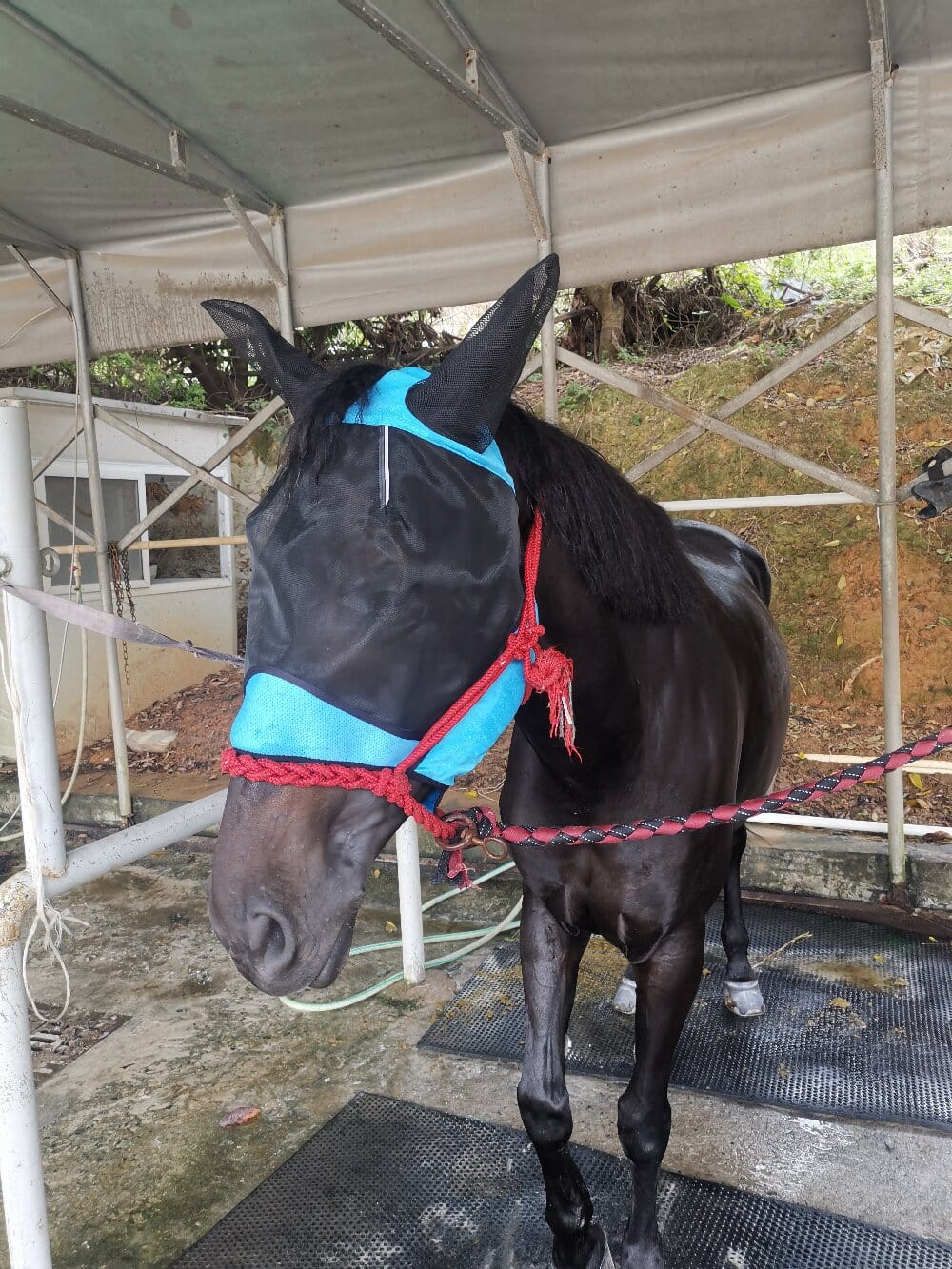
Selecting the right protective gear for a horse requires balancing comfort, durability, and effectiveness against the nuisance of flies and other insects. A horse fly mask is one of the most common items in a barn’s summer toolkit, but not all masks are created equal. This comparative analysis examines the key design differences among fly masks and explains how those differences affect fit, visibility, and protection in real-world conditions.
The most noticeable point of comparison between fly masks is the mesh. Standard masks typically use a fine, woven mesh that blocks small flies while allowing airflow. Higher-density meshes offer better protection against biting midges and gnats but can reduce ventilation and visibility. Some manufacturers use a two-layer mesh on the face panel to combine durability with breathability, while budget models often rely on a single layer that tears more easily.
When comparing stitching and edge binding, look for reinforced seams and soft binding around the ears and nose. Cheaper masks may use stiff binding that rubs against the face, whereas better-constructed fly veils use fleece or padded trim to reduce friction. UV-blocking fabrics are another differentiator; masks rated for UV protection can help reduce sunburn on light-skinned horses, while standard mesh offers limited protection.
Comparing Fit and Coverage: Standard vs. Extended Horse Fly Mask Designs
Fit is where most fly masks succeed or fail. Standard masks cover the eyes and forehead, slipping over the ears or securing with ear holes. Extended designs add coverage down the nose and jaw, which is useful for horses prone to bites on the muzzle. The trade-off is that longer masks can interfere with grazing or rub against the noseband area.
Ear coverage is another comparison point. Removable ear covers offer flexibility for horses that dislike ear pressure, while integrated ear pockets keep flies out of the ears more reliably. Adjustable closures vary too: hook-and-loop straps are common and easy to use, but they can collect debris and lose grip over time. Buckle or snap closures are more secure but slower to fasten.
- Visibility: Lighter mesh improves sight; darker or denser mesh increases fly protection but may reduce clarity.
- Retention: Masks with brow bands and throat straps stay in place better during turnout.
- Breathability: Open mesh panels help prevent heat buildup in hot climates.
- Maintenance: Machine-washable masks compare favorably to hand-wash-only models for long-term hygiene.
Cost, Longevity, and Practical Value Compared
Price differences between horse fly masks often reflect construction quality rather than dramatic design changes. Inexpensive masks may last a single season under heavy turnout, while mid-range and premium masks frequently survive multiple years with proper care. When comparing value, factor in replacement frequency, washing durability, and whether replacement parts such as ear covers are available.
Horses that wear masks daily benefit from having two on rotation, which allows one to be washed while the other is in use. This practice extends the life of both masks and maintains hygiene, reducing the risk of skin irritation. It also makes a moderate-priced, well-constructed mask a better long-term investment than a disposable bargain model.
Summary: Choosing the Right Horse Fly Mask
Comparing horse fly masks comes down to matching construction, fit, and coverage to your horse’s needs and turnout routine. Prioritize reinforced seams, breathable mesh, and secure adjustable closures, then decide whether extended coverage or ear protection is warranted. A well-fitted, durable mask with UV protection and washable materials offers the best balance of comfort and reliable fly defense.