
Choosing the right fly protection for your horse can feel overwhelming, especially when you start comparing the many designs on the market. A horse fly mask is one of the most effective and affordable tools for shielding your horse’s sensitive eyes and face from biting insects, but not all masks are created equal. This comparative analysis breaks down the key differences between styles, materials, and features so you can match the right mask to your horse’s needs, environment, and temperament.
Flies, gnats, and midges cause more than passing irritation. They can trigger eye infections, spread disease, and contribute to head-shaking behavior that affects training and welfare. A well-fitted fly mask creates a physical barrier that reduces insect landings while still allowing airflow and visibility. Compared with topical repellents, masks offer continuous protection without reapplication, and compared with fly sheets alone, they target the face—the area insects find most attractive. The trade-off is that fit and durability matter enormously; an ill-fitting mask can rub or slip, while a flimsy one may tear within days.
Comparing Fly Mask Styles: Standard, Ear-Fit, and Full-Coverage
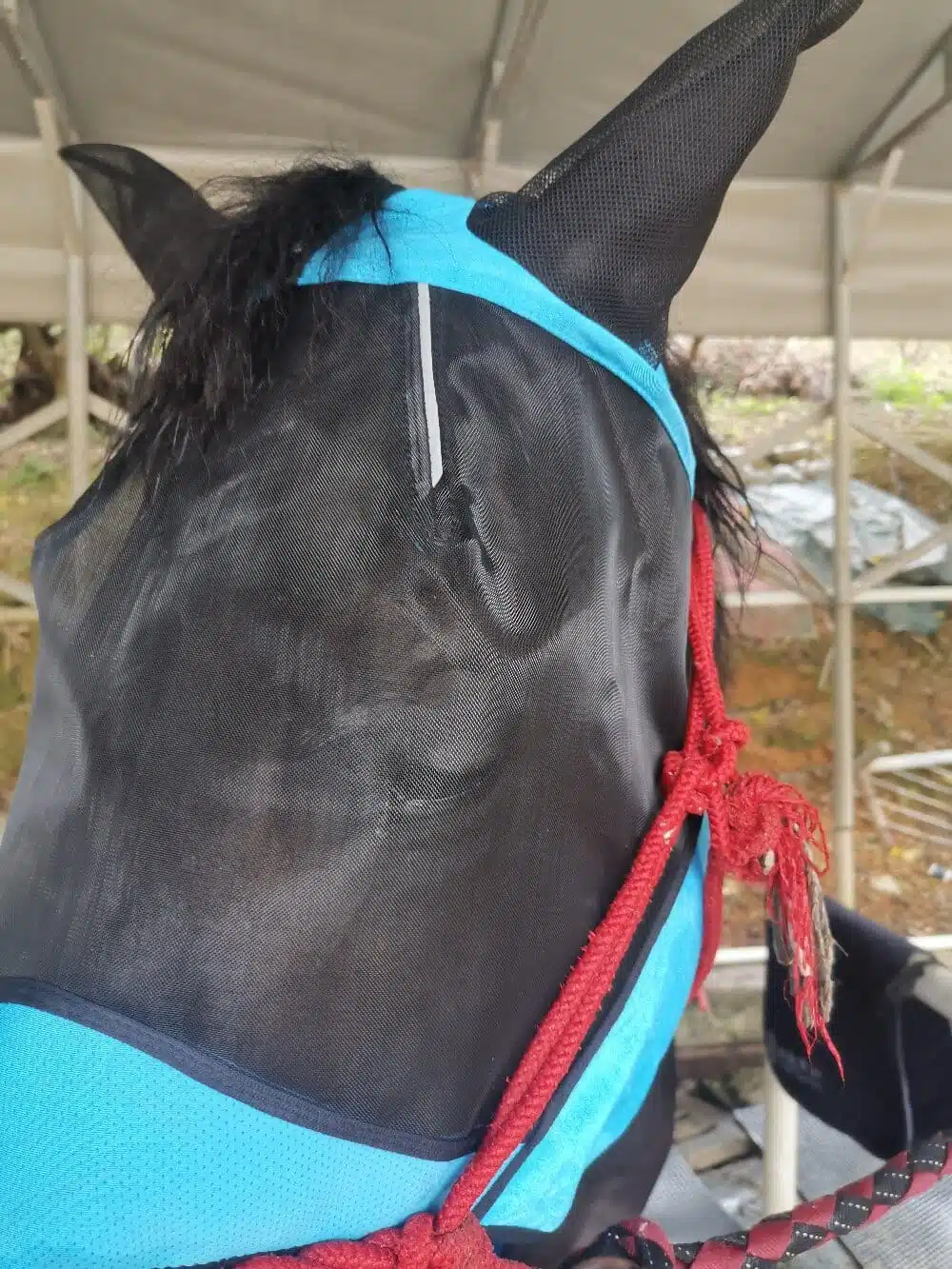
The first major comparison point is coverage. Standard masks protect the eyes and forehead but leave the ears exposed. Ear-fit models add mesh ear covers, which are valuable for horses bothered by gnats around the ears but can trap heat in summer. Full-coverage designs extend down the nose and jaw, offering the broadest protection for horses with sensitive muzzles or those living near water where biting insects thrive. Each style has trade-offs: more coverage means more protection but also more material to clean, adjust, and potentially rub. For most horses, a standard or ear-fit mask covers the essentials, while full-coverage options suit specific high-pressure environments.
Materials and Fit: What Separates a Good Horse Fly Mask from a Great One
Fabric choice drives comfort and longevity. Compare the common options:
- PVC or vinyl mesh: Durable and easy to clean, but less breathable in extreme heat.
- Soft knitted mesh: Comfortable against the skin and highly breathable, though more prone to snagging.
- Woven synthetic blends: A middle ground offering abrasion resistance with decent airflow.
Fit is equally important. Look for adjustable touch-tape closures at the throat, fleece edging at pressure points, and darts or shaping around the eyes that keep mesh away from the lashes. Compared with rigid masks, flexible designs conform better to different head shapes, reducing the risk of rubs. When comparing sizes, always measure from the poll to the noseband and around the jaw rather than guessing by breed.
Durability, Visibility, and Special Features Compared
Beyond basics, masks differ in thoughtful details. Some include forelock openings that improve comfort and visibility; others feature UV-blocking fabric, which is a meaningful advantage for horses with pink skin or eye conditions. Reflectivity is another comparison point for owners who turn out at dawn or dusk. Durability often correlates with stitching quality and strap design—double-stitched seams and wide, soft bindings tend to outlast budget alternatives. Weigh the cost per season rather than sticker price: a slightly pricier mask that survives daily turnout frequently costs less over time than repeated replacements.
Matching the Mask to Your Horse and Environment
Context should guide your choice. A pastured horse in a humid climate benefits from breathable mesh and ear coverage, while a stabled horse with limited turnout may do well with a lighter standard mask. Horses prone to removing headgear need secure closures and a snug-but-not-tight fit. If your horse has a history of eye issues, prioritize UV protection and consult your veterinarian about coverage. Comparing reviews and trying one style before buying multiples is a practical way to test fit on your particular horse.
Conclusion
Comparing fly masks comes down to balancing coverage, breathability, fit, and durability against your horse’s lifestyle. Standard masks suit most everyday needs, ear-fit and full-coverage designs address specific insect pressures, and material and stitching quality determine how long protection lasts. Measure carefully, prioritize comfort at pressure points, and choose features like UV blocking or reflectivity when they matter. A thoughtfully selected horse fly mask protects your horse’s eyes, supports welfare, and delivers reliable value season after season.