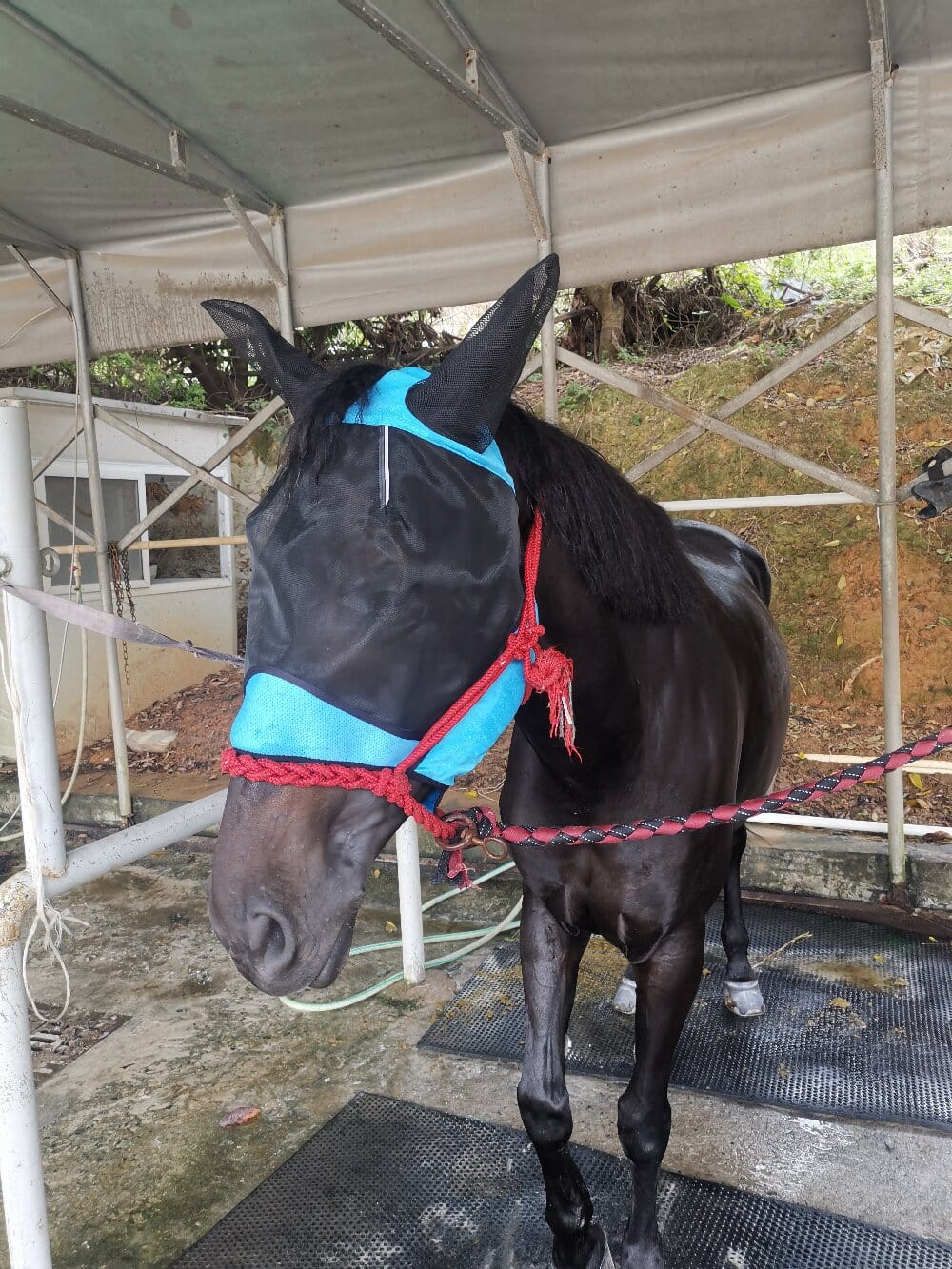
A horse fly mask is a lightweight piece of equine gear designed to shield a horse’s eyes, face, and sometimes ears from biting insects, harsh sunlight, and airborne debris. While the basic concept is simple, the market offers a wide range of designs, materials, and features that can make selection challenging. A comparative analysis of the main options helps horse owners match a mask to their animal’s specific needs, climate, and turnout routine. This comparison examines construction, protection level, fit, and durability to support an informed decision.
Comparing Materials and Construction of a Horse Fly Mask
Material choice is the most significant differentiator among fly masks, directly affecting breathability, visibility, and lifespan. The three most common constructions are mesh, woven fabric, and hybrid designs.
Fine mesh masks prioritize airflow and visibility. They are typically made from a soft, knitted polyester or nylon mesh that keeps out even small gnats while allowing the horse to see through the fabric. These are ideal for sensitive horses and hot climates, though the lighter mesh can abrade more quickly under heavy rubbing.
Woven or heavier-duty fabric masks offer greater durability and better resistance to UV rays and flies, but they trade some breathability and clarity. Horses in harsh, brushy paddocks or those that routinely destroy lighter masks benefit from this construction.
Hybrid masks combine a mesh eye area with reinforced fabric over the face and ears. This balances protection and comfort, making hybrids a popular middle ground for year-round use. When comparing options, check the denier of the mesh and the quality of stitching, since these determine how well the mask withstands daily wear.
Protection Features and Fit: A Side-by-Side Look
Beyond material, features such as ear coverage, nose extensions, and fastening systems vary considerably and influence effectiveness.
- Ear coverage: Some masks include ear covers to protect against flies and sunburn; others leave ears exposed for maximum airflow. Horses prone to ear irritation benefit from full coverage.
- Nose and muzzle extensions: Longer masks shield the muzzle from sunburn and flies, a key consideration for light-skinned horses or those with pink skin.
- Fastening systems: Hook-and-loop straps are common and easy to adjust, while buckle or elastic closures may offer more security for escape artists. Compare strap placement to avoid pressure points.
- Fit and sizing: A well-fitted mask sits clear of the eyes, allows full eyelid movement, and stays in place during turnout. Measure from the poll to the muzzle and compare against each brand’s size chart, as sizing varies significantly between manufacturers.
Fit is where cheap masks often fall short. A mask that rides up or rubs the face offers little protection and may cause sores. Prioritize adjustable straps and ergonomic eye darts when comparing products.
Durability, Care, and Value Comparison
Durability separates budget masks from premium ones, but price does not always predict longevity. Compare warranties, reinforcement at stress points, and UV resistance ratings. Mesh masks generally require gentle hand washing and air drying to preserve shape, while heavier fabrics tolerate machine washing on a delicate cycle. Consider the cost per season rather than the upfront price: a slightly more expensive mask that survives two summers often delivers better value than a cheap mask replaced three times. Read reviews for real-world feedback on rubbing, tearing, and fading before committing.
Conclusion
Choosing the right fly mask comes down to balancing protection, comfort, and durability against your horse’s environment and temperament. Mesh designs suit hot climates and sensitive skin, heavier fabrics excel in rough turnout, and hybrid masks offer a versatile compromise. Whichever style you compare, verify fit, inspect stitching and fastenings, and factor in long-term care costs. A thoughtfully selected mask protects your horse’s eyes and face season after season.