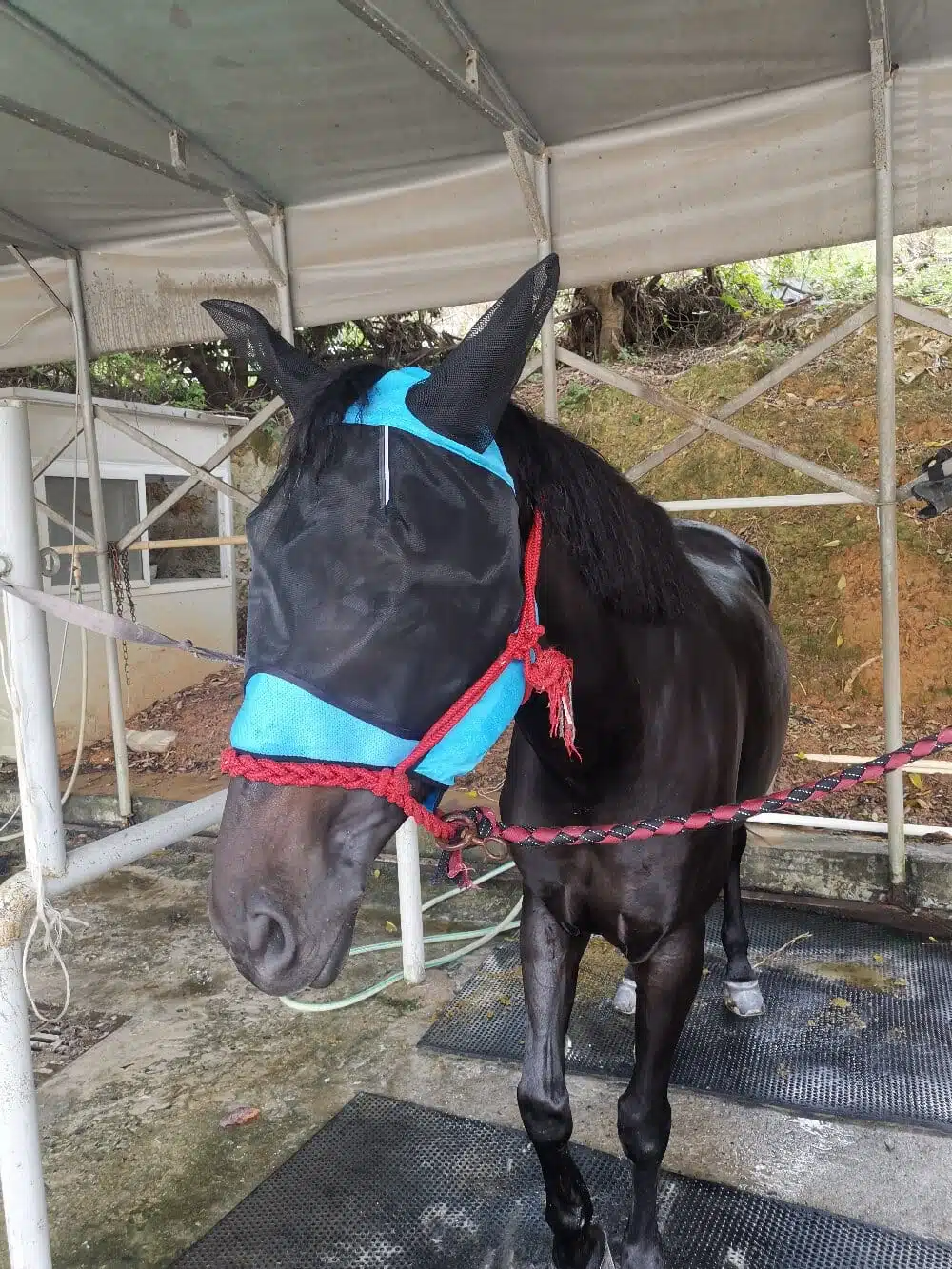

A horse fly mask is a specialized piece of equine equipment designed to shield the horse’s face and eyes from flying insects, particularly flies and gnats. While the basic concept appears simple, the range of designs, materials, and features available today makes comparison essential for owners seeking effective protection. This analysis examines the key differences among fly masks to help riders and caretakers make informed decisions based on their horses’ specific needs and environmental conditions.
Comparing Materials and Construction of a Horse Fly Mask
The material composition of a horse fly mask significantly influences durability, comfort, and airflow. Mesh density is one of the most important variables to compare. Finer mesh offers superior protection against tiny insects such as midges and no-see-ums, but it can reduce ventilation in hot weather. Coarser mesh allows better airflow but may permit smaller pests to reach the skin. UV-resistant fabrics are another point of comparison, as prolonged sun exposure can degrade lower-quality materials quickly.
Stitching quality and edge binding also differentiate premium masks from budget options. Reinforced seams tend to withstand rubbing against fences and pasture equipment, while soft fleece trim reduces the risk of abrasion around the sensitive facial area. When weighing cost against longevity, buyers should consider how frequently a mask may need replacement under heavy turnout conditions.
Design Variations: Fit, Fastening, and Visibility
Fit is arguably the most consequential factor in comparing fly masks. A poorly fitted mask can slip, rub, or allow insects to enter through gaps. Ear coverage varies widely: some designs include protective ear covers, while others leave ears exposed for greater airflow. Models with a forelock opening accommodate horses with heavy manes, whereas solid designs provide more complete coverage.
Fastening systems also merit comparison. Hook-and-loop straps are common and easy to adjust, but they can collect debris and lose grip over time. Buckle and clip systems tend to be more secure but require more time to put on and remove. Visibility is another consideration; masks with clear or mesh eye panels allow the horse to see more clearly, which can reduce stress for sensitive animals.
Protection Levels and Seasonal Suitability
Different masks serve different purposes depending on the season and pest pressure. Lightweight summer masks prioritize breathability and UV shielding, while heavier-duty options may include nose nets or extended neck coverage. Owners should compare how well each design blocks specific insects prevalent in their region. In areas with severe bot fly activity, masks with full face and throat coverage often outperform minimal designs.
- Fine mesh: best for small insects and sensitive skin
- Coarse mesh: better ventilation for hot climates
- Ear covers: added protection against biting midges
- Nose extensions: reduce irritation from face flies
Durability, Maintenance, and Cost Comparison
Longevity varies considerably across products. Higher-denier fabrics and double-stitched seams generally justify a higher upfront price by lasting multiple seasons. Washability is another practical comparison point; masks that can be machine-washed on a gentle cycle with mild detergent maintain hygiene more easily. Owners should also evaluate replacement frequency, as a cheaper mask that frays within weeks may cost more over time than a durable alternative.
Finally, comfort testing matters. Horses respond differently to masks, and observing behavior during turnout reveals whether a design causes rubbing or restricted vision. Gradual introduction and consistent fit checks improve acceptance rates.
Conclusion
Comparing horse fly masks across materials, fit, fastening systems, protection levels, and durability reveals that no single design suits every horse. Owners should match mesh density and coverage to local insect pressure, prioritize secure and comfortable fit, and weigh long-term durability against purchase price. A thoughtful comparison ultimately supports better equine welfare and more efficient use of resources throughout fly season.