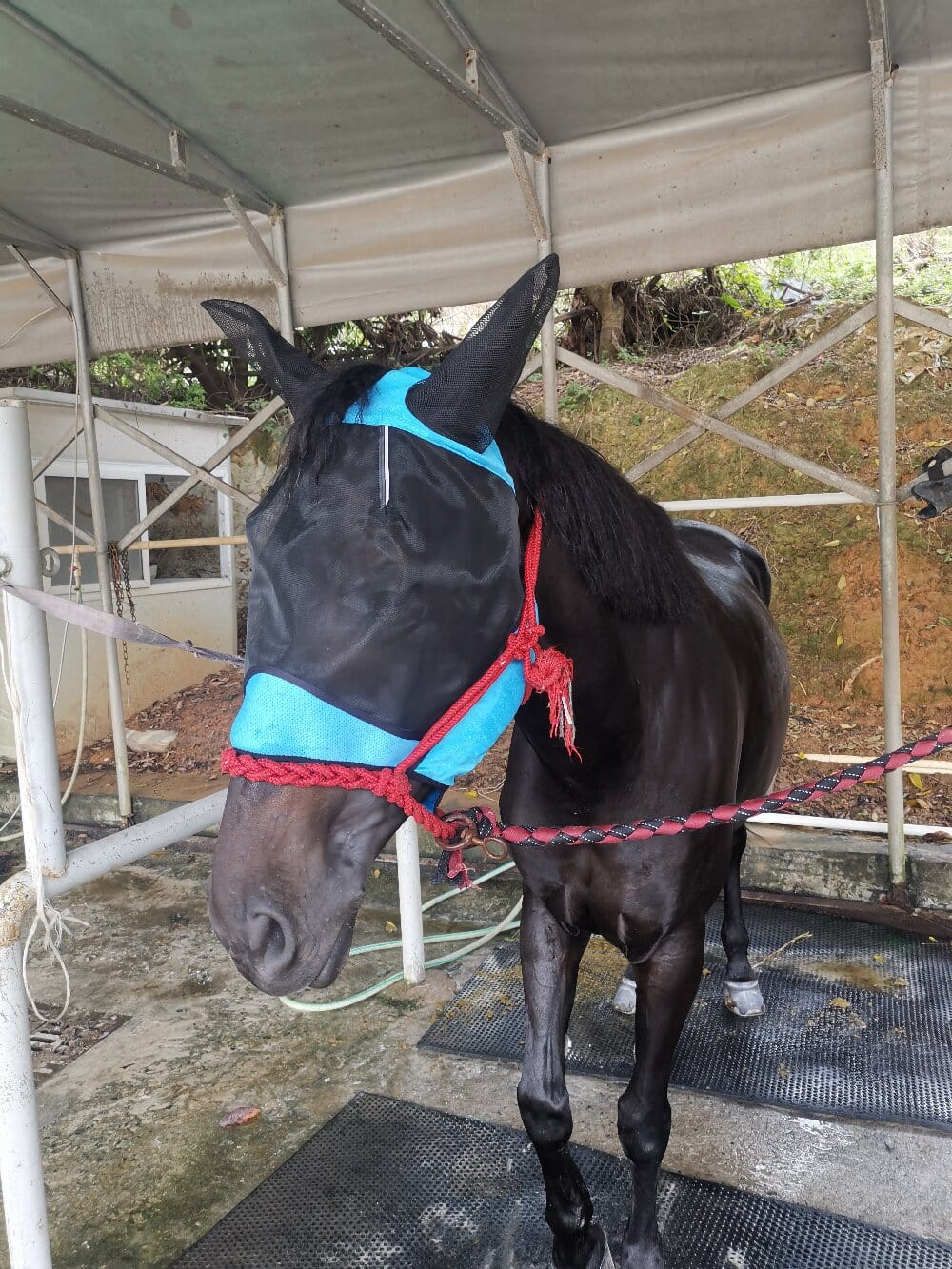
I still remember the first summer I tried a horse fly mask on my gelding, and honestly, I was skeptical. I had spent years watching him stamp, swish, and toss his head whenever the flies came out, and I figured a piece of mesh was not going to change much. After testing several styles across three different horses over two seasons, I have formed some strong opinions. This comparison is based on what I have actually used in the barn, not on marketing claims.
Before comparing types, it helps to remember what these masks actually do. A good fly mask keeps biting insects away from the eyes, ears, and muzzle, which reduces stress, head shaking, and the risk of eye infections. I have also noticed that my horses are calmer in the pasture when their faces are protected. The key is finding one that fits well and stays on, because a mask that rubs or slips is worse than no mask at all.
Comparing the Main Styles of Horse Fly Masks
I have grouped the options I tested into three broad categories, and each has clear strengths and weaknesses.
- Standard mesh masks: These cover the eyes and sometimes the ears. They are lightweight and affordable, and my horses tolerated them well in mild fly conditions. The downside is that the mesh can wear out after a season of daily turnout, and they offer no protection for the muzzle.
- Full-face masks with nose coverage: These extend down over the muzzle, which is a big plus for horses bothered by face flies. I found they stayed in place better during turnout, but they can get dirty quickly and need frequent washing. Fit is critical here, since a loose nose section can flap and annoy the horse.
- Masks with ear protection: If your horse is tormented by ear gnats, this style is worth the extra cost. The ear covers are usually made of a softer mesh, and I noticed less head shaking almost immediately. The trade-off is that ear covers can trap heat, so I only use them on the hottest days if my horse seems comfortable.
Fit, Durability, and Comfort: What I Look For in a Horse Fly Mask
In my experience, fit matters more than any single feature. I check three things before buying: whether the mask has adjustable straps, whether the edges are soft enough to prevent rubbing, and whether the mesh still allows good visibility. I have returned masks that looked sturdy but sat too close to the eyes. Durability is the second factor. Cheaper masks often tear at the seams within weeks, while better-constructed ones survived an entire season of daily use. Comfort is the final test, and the only real way to judge it is to watch your horse. If he rubs his face on the fence or tries to remove the mask, something is wrong.
Practical Tips From My Own Barn Routine
Over time, I have settled on a simple routine that works for my herd:
- Measure your horse’s head before ordering, and check the sizing chart carefully.
- Introduce the mask gradually, starting with short periods in the paddock.
- Wash masks weekly in mild soap and let them air dry.
- Inspect straps and seams every few days for wear.
- Keep a spare mask on hand during peak fly season.
I also rotate between a standard mask and a full-face version depending on the weather and fly pressure, which has stretched the life of each mask considerably.
Final Thoughts on Choosing the Right Protection
After comparing the options, my conclusion is that there is no single best mask for every horse. A standard mesh mask suits easy keepers in mild conditions, a full-face design wins for horses plagued by face flies, and ear protection is essential for those sensitive to gnats. Focus on fit and durability first, and the rest will follow. A well-chosen fly mask has made my summers in the barn noticeably quieter, and I would not go back to life without one.