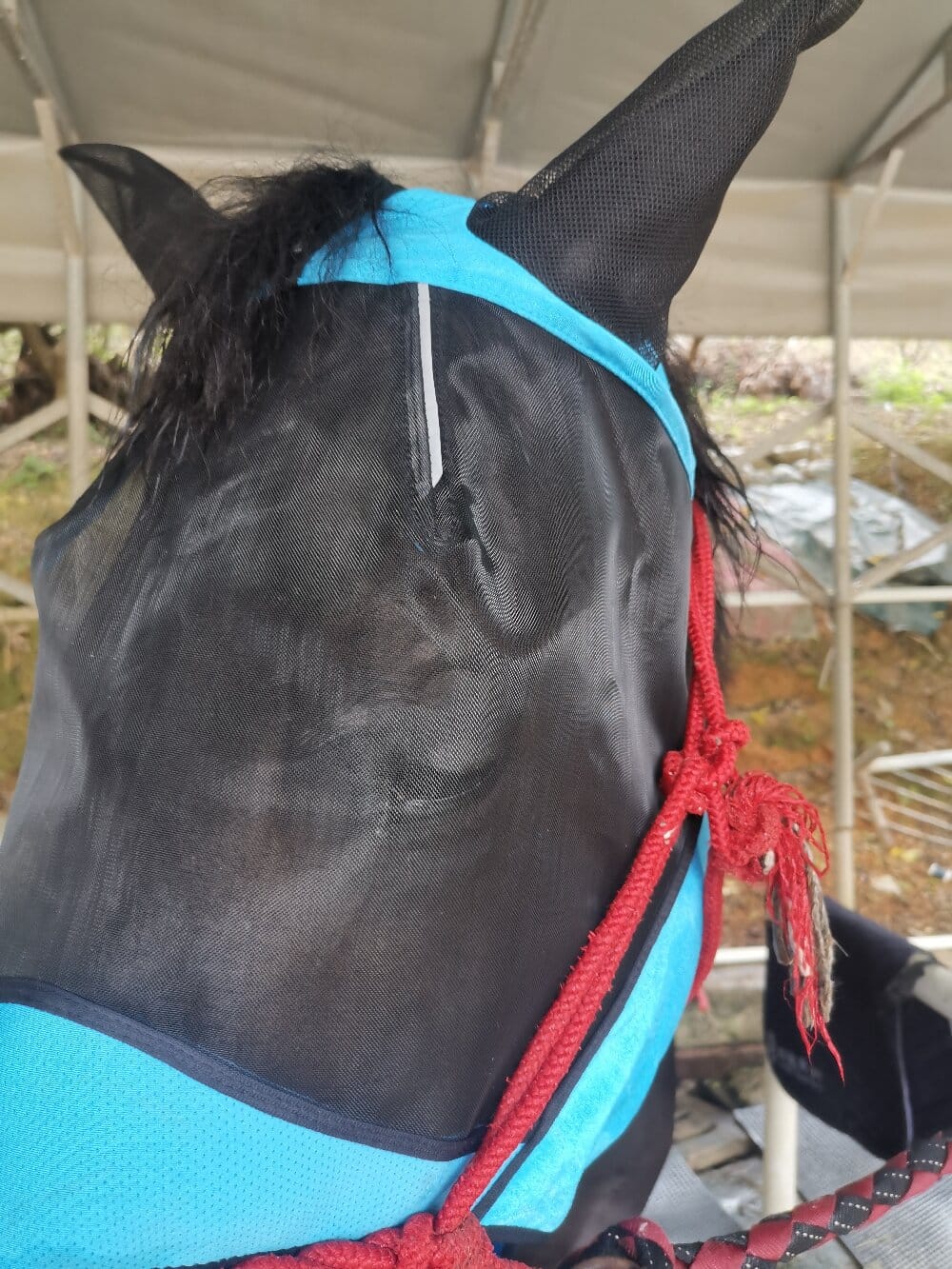
In the equine management industry, few pieces of equipment generate as much debate and appreciation as the horse fly mask. Once considered a simple seasonal accessory, this protective gear has evolved into a sophisticated tool for equine welfare, supported by entomological research, veterinary insight, and performance-driven design. From backyard paddocks to Olympic training barns, industry professionals now recognize that a well-chosen fly mask is not a luxury—it is a core component of preventive care. For riders, breeders, and stable managers alike, understanding the nuances of fly protection has become essential to maintaining healthy, comfortable horses through the warmer months.
Veterinarians and entomologists increasingly agree that fly control is not merely about comfort; it is about disease prevention. Biting insects such as stable flies, horn flies, and face flies can transmit bacterial infections, cause conjunctivitis, and contribute to summer sores. A quality fly mask acts as a physical barrier, protecting the sensitive skin around the eyes and ears without the need for constant chemical application. This matters because over-reliance on insecticides can lead to resistance and environmental concerns. Industry analysts note that demand for non-chemical, reusable protective solutions has grown steadily, positioning the fly mask as a practical alternative for horse owners who want to reduce pesticide use while safeguarding their animals.
Design and Technology: What Sets Modern Fly Masks Apart
Today’s market offers a wide spectrum of options, from basic mesh masks to high-tech models with UV protection and ear coverage. Key features that industry experts recommend include:
- Fine mesh that blocks tiny biting insects while maintaining airflow
- Soft binding and fleece padding to prevent rub marks and pressure sores
- UV-blocking fabric to protect against sunburn and photosensitivity
- Ear and forelock designs that cover vulnerable areas without obstructing vision
- Adjustable straps and secure closures that keep the mask in place during turnout
Manufacturers are also investing in durability testing, color visibility for safety, and ergonomic shaping that accommodates different head types. According to retail buyers, fit and comfort are the leading drivers of customer satisfaction and repeat purchases, which is why sizing charts and trial-friendly return policies have become standard in the equestrian supply sector.
Veterinary and Behavioral Perspectives on Fly Protection
From a veterinary standpoint, the benefits extend beyond skin protection. Horses bothered by flies exhibit increased stress behaviors—head tossing, stomping, and fence-walking—that can interfere with training and weight maintenance. A properly fitted fly mask helps reduce these irritants, supporting calmer turnout and better rest. Behaviorists add that consistent protection can improve a horse’s overall temperament during peak insect season. However, professionals caution that masks must be checked daily for wear, fit, and cleanliness, and they should never be used as a substitute for good barn hygiene, manure management, and pasture rotation.
Buying Considerations for Equine Professionals
Trainers, barn managers, and individual owners should evaluate fly masks through a practical lens. Consider the horse’s turnout environment, coat sensitivity, and propensity for removing headgear. Some horses tolerate masks readily; others require gradual introduction or a different style. Industry insiders also recommend owning at least two masks per horse so one can be washed while the other is in use, extending product life and maintaining hygiene. Price alone should not drive the decision—durability, fit, and visibility often deliver better long-term value.
Conclusion
The modern fly mask represents a convergence of welfare science, thoughtful design, and practical stable management. As insect seasons lengthen and owners seek gentler alternatives to chemical control, investing in a well-fitted, durable mask is a smart, evidence-informed choice. Whether you manage one horse or a full yard, prioritizing fit, daily inspection, and cleanliness will maximize protection and comfort throughout fly season.