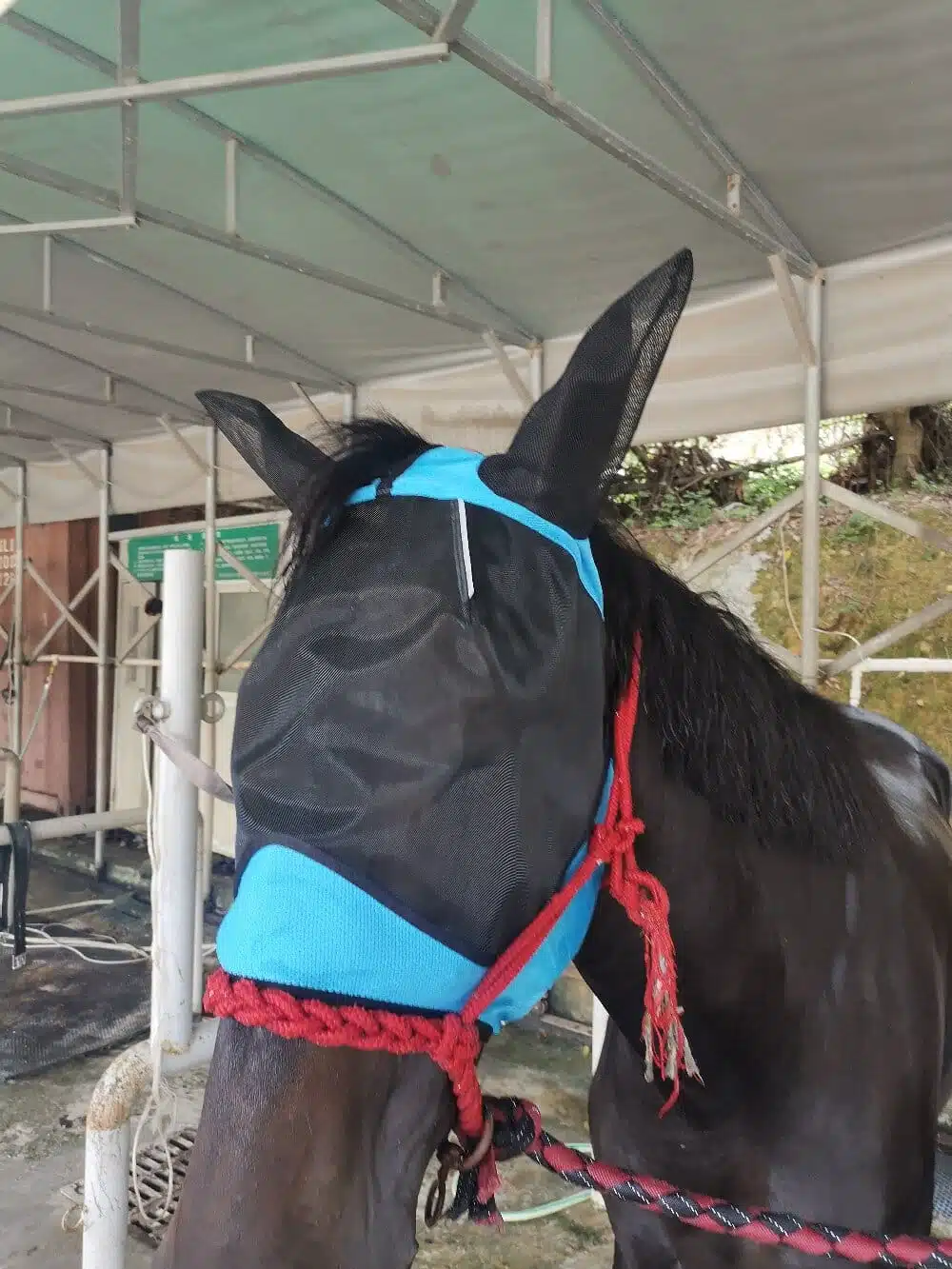

A horse fly mask has become one of the most recognizable pieces of equine equipment, yet its widespread use deserves closer scrutiny than it usually receives. Walk through any stable yard in summer and rows of mesh hoods appear, promising relief from biting insects. But do these masks genuinely deliver the protection owners assume, or has their popularity outpaced the evidence? A critical examination of purpose, design, and limitations offers a more balanced picture than marketing materials tend to provide.
At its core, the product is a fine mesh covering that shields the eyes, ears, and sometimes the muzzle from flies, midges, and other pests. Manufacturers frequently claim near-total insect exclusion, reduced eye irritation, and prevention of conditions such as conjunctivitis or sweet itch. These assertions are plausible in principle, since a physical barrier can block biting insects. However, critical consumers should ask a simple question: what evidence supports each claim?
Independent studies on insect-repellent fabrics remain limited. Much of the available data comes from manufacturers themselves, which introduces an obvious conflict of interest. A rational buyer might therefore treat promotional language with caution and look for peer-reviewed research or veterinary guidance instead of relying on packaging alone.
Design Choices and Their Trade-Offs
Not all mesh covers are equivalent, and the differences matter. Key variables include mesh density, UV resistance, fastener type, and fit. Each choice involves a trade-off that a thoughtful owner should weigh:
- Mesh density: Finer weave blocks smaller insects, but it also reduces airflow and visibility, which can increase heat buildup and stress.
- UV protection: Useful for horses with pink skin or photosensitivity, yet claims of specific protection levels are rarely verified independently.
- Fasteners: Hook-and-loop straps are convenient but degrade with dirt; buckles are durable but slower to fit.
- Fit: A loose mask invites rubbing and can snag on fencing, while an overly tight one may cause pressure sores.
The assumption that more coverage always equals better protection is questionable. Full-face designs may trap heat and moisture, particularly in hot climates, potentially creating conditions that favor skin irritation rather than preventing it.
Limitations, Risks, and Unintended Consequences
Critical thinking requires acknowledging what a product cannot do. A mesh horse fly mask does not repel insects from uncovered areas such as the neck, chest, or legs, and it offers no protection once a horse removes it—a common occurrence when straps loosen or designs fit poorly. Field observations suggest that ill-fitting masks cause more harm than no mask at all, leading to abrasions, hair loss, and behavioral signs of discomfort.
There are also practical hazards. Masks can catch on hedges, gates, or field companions, and torn mesh may create loose threads that pose an entanglement risk. Owners should inspect equipment daily and replace damaged items promptly. Furthermore, relying solely on a mask may distract from broader integrated pest management, including stable hygiene, drainage, and timed turnout.
Making an Evidence-Informed Decision
A sensible approach combines skepticism with practical assessment. Before purchasing, owners might:
- Identify the specific insect problem in their environment rather than assuming a generic solution.
- Check fit and comfort during supervised wear, watching for rubbing or stress behaviors.
- Prioritize breathability and visibility over maximum coverage in warm weather.
- Consult a veterinarian for horses with existing eye conditions or skin disease.
Cost should also be considered rationally. Premium prices do not automatically guarantee superior protection, and mid-range options with sound construction often perform comparably.
Conclusion
The horse fly mask is a useful tool, but it is not a universal remedy. Its value depends on correct fit, appropriate mesh selection, regular maintenance, and realistic expectations about what a physical barrier can achieve. A critical perspective—questioning claims, weighing trade-offs, and monitoring outcomes—serves both equine welfare and informed purchasing better than unquestioning acceptance of convenience-driven trends.