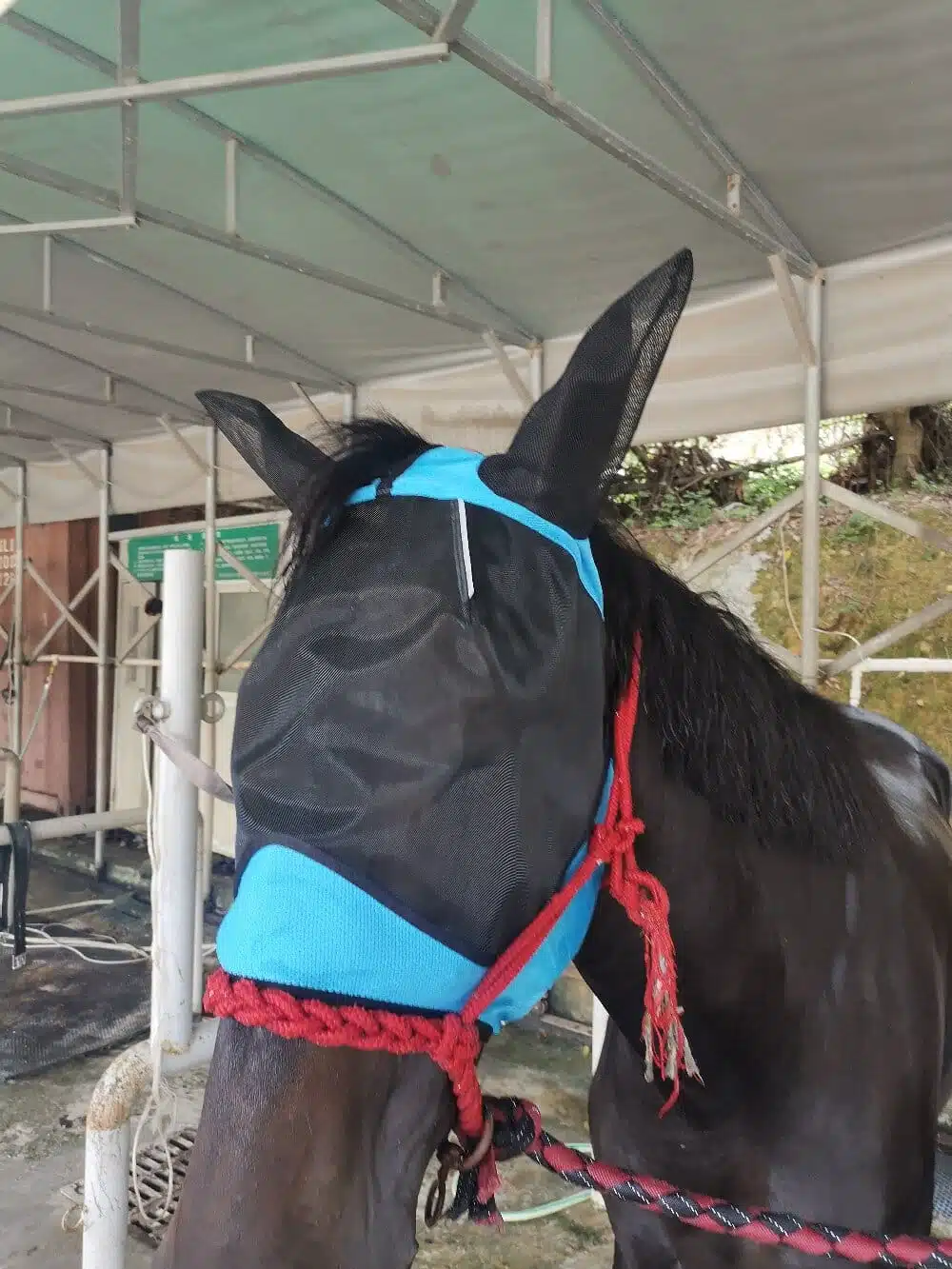

In the equine equipment sector, the horse fly mask has transitioned from a simple seasonal accessory into a year-round staple of barn management, driven by shifting owner expectations and advances in textile engineering. Industry analysts note that demand is no longer purely reactive to summer fly seasons; instead, buyers now seek continuous protection that addresses UV exposure, dust, and herd socialization stress. This evolution reflects a broader trend in animal husbandry toward preventive care, where equipment purchases are evaluated on long-term welfare outcomes rather than immediate pest control alone.
Design Innovation in Horse Fly Mask Manufacturing
Manufacturers are responding with differentiated designs that balance durability, comfort, and visibility. Contemporary products increasingly feature fine-mesh fabrics that block insects while maintaining airflow, ergonomic ear and brow configurations, and reinforced binding that resists abrasion from pasture wear. Fleece-lined edges have become a standard reference point for reducing rub marks, particularly in sensitive-skinned animals. From a supply chain perspective, brands are investing in UV-stabilized polymers and colorfast dye processes, extending product lifespan and reducing replacement frequency — a factor that resonates with cost-conscious stables managing multiple animals.
Key Purchasing Criteria Across the Equine Sector
Trade buyers and barn managers evaluate fly protection gear against several practical benchmarks. Understanding these criteria helps distributors and retailers align inventory with genuine end-user needs:
- Mesh integrity and airflow: A tight weave that excludes midges without trapping heat is a primary consideration, especially in humid climates.
- Fit and adjustability: Multiple strap points and sizing ranges accommodate diverse breeds and head shapes, reducing slippage during turnout.
- UV protection rating: Products offering measurable sun-blocking performance appeal to owners managing photosensitivity and coat health.
- Washability and hardware quality: machine-washable materials and corrosion-resistant fasteners support repeated use across seasons.
- Visibility and safety: Reflective piping and high-contrast colors improve horse visibility in low-light turnout conditions.
Regional Demand Patterns and Seasonality
Industry data suggests regional variation shapes product mix more than any other factor. In warm, insect-heavy regions, lightweight mesh and full-face coverage dominate orders, while cooler climates favor breathable variants with removable ear components. Retailers report a lengthening sales window, with pre-season stocking beginning earlier and reorders continuing into autumn as owners extend protection against late-season pests. This pattern encourages suppliers to maintain flexible production schedules and modular designs that adapt to local conditions without extensive retooling.
Material Sourcing and Sustainability Pressures
Sustainability considerations are increasingly influencing procurement decisions. Buyers are asking about recycled mesh content, dye processes with reduced water use, and end-of-life recyclability. While durability remains the dominant purchasing driver, brands that document environmental credentials are gaining shelf space in premium channels. Suppliers that can trace raw materials and offer transparent manufacturing standards are positioned to capture growing interest from eco-conscious equestrian consumers.
Retail Strategy and Consumer Education
Successful retailers pair product assortment with education. Clear guidance on sizing, correct strap tension, and inspection intervals reduces returns and builds trust. Bundling fly protection with complementary items such as fly sheets and repellents supports basket growth, while staff training on mesh ratings and fit diagnostics differentiates specialist stores from generalist competitors. Industry observers emphasize that informed customers become repeat buyers, making education a margin-protecting investment.
Outlook and Summary
The horse fly mask category is expected to continue maturing as welfare science, material innovation, and sustainability expectations converge. Suppliers that prioritize fit precision, breathable protection, and transparent sourcing will likely lead the next product cycle. For retailers, success depends on matching regional demand with a curated range and supporting customers with practical guidance. In short, the product is no longer a commodity add-on but a performance-driven category with clear opportunities for differentiation across manufacturing, distribution, and retail.