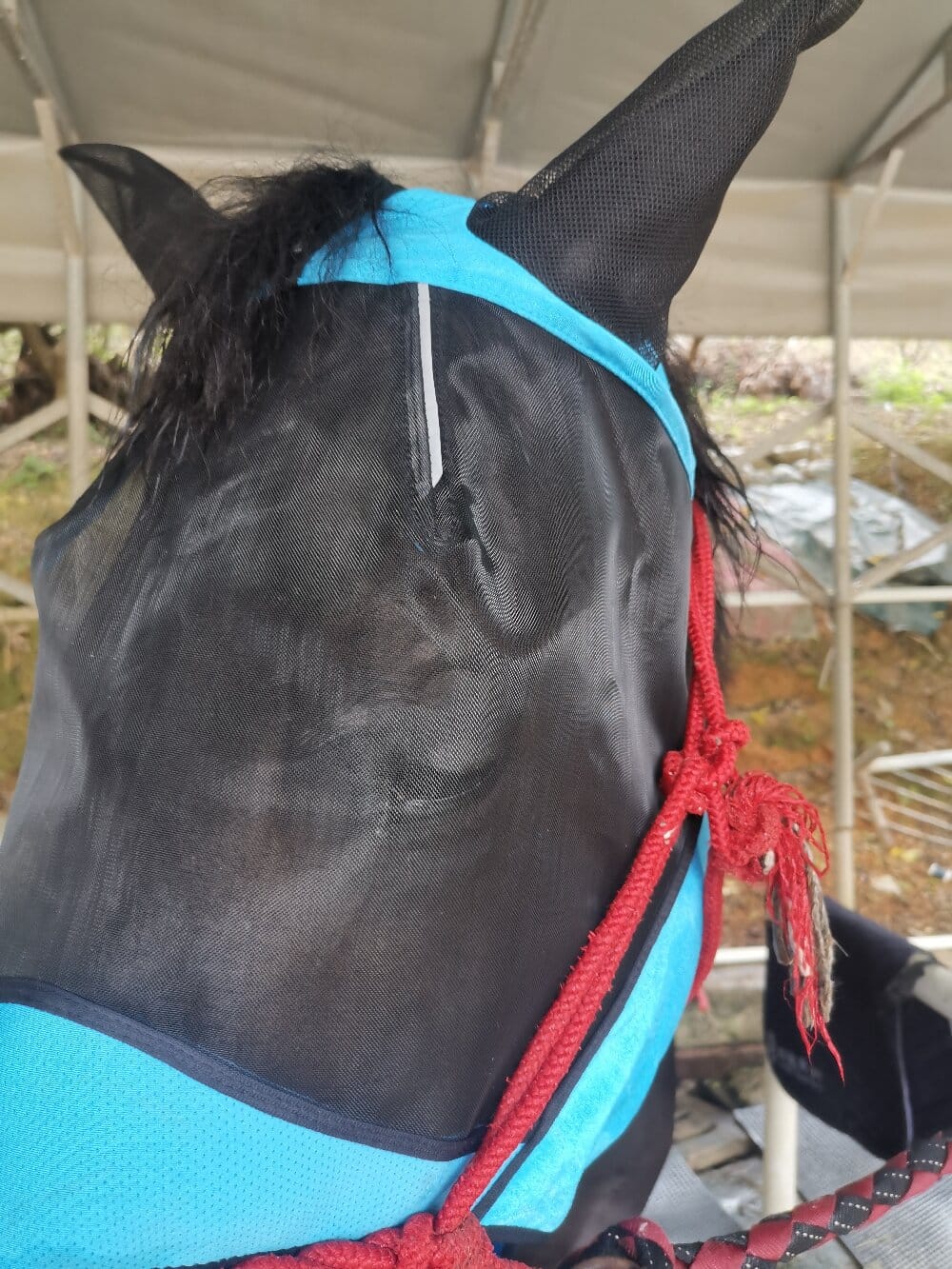
As equine management continues to advance, the horse fly mask is expected to transition from a simple seasonal accessory into an integrated component of preventive health care. Future predictions suggest that owners and stable managers will rely on these protective coverings not only to shield horses from biting insects but also to support broader goals such as reducing stress, limiting disease exposure, and improving overall welfare during turnout and training. This shift reflects a growing understanding of how insect pressure affects behavior, performance, and long-term health.
Design Innovations Shaping the Future Horse Fly Mask
Manufacturers are likely to refine materials and construction in ways that address both durability and comfort. Future horse fly masks may incorporate lighter, breathable fabrics that maintain airflow while resisting tears and abrasion. Designers are also expected to focus on ergonomic fit, using adjustable straps and contoured edges to reduce rubbing and slippage. These improvements aim to keep the mask securely in place during movement while minimizing irritation around sensitive areas such as the eyes, ears, and muzzle.
Another predicted development involves enhanced visibility and safety features. Reflective trim and high-contrast colors may become more common, helping handlers spot horses easily in low-light conditions. Such details support practical daily use and contribute to safer handling routines.
Smart Materials and Integrated Protection
The next generation of fly masks for horses may incorporate advanced materials with insect-repellent properties built directly into the fabric. Rather than relying solely on physical barriers, these textiles could work in combination with barrier protection to reduce landing and biting activity. Future products might also feature removable components, such as detachable nose covers or ear bonnets, allowing owners to customize coverage based on environment and season.
Wearable technology could play a supporting role as well. While fully connected masks remain speculative, lightweight sensors integrated into straps might one day help monitor fit, temperature, or wear duration. These features would appeal to owners seeking data-informed care while keeping the primary function of insect protection intact.
Practical Considerations for Future Buyers
As the market expands, buyers will benefit from clearer guidance on selecting and maintaining protective face gear. Key considerations are expected to include:
- Fabric breathability and UV protection levels
- Fit around ears, eyes, and muzzle to prevent gaps
- Ease of cleaning and resistance to wear
- Compatibility with other tack and turnout gear
- Seasonal and environmental suitability
Future care routines will likely emphasize regular inspection for tears, prompt cleaning to remove debris, and rotation between multiple masks to extend product life. These habits support hygiene and help maintain consistent protection.
Welfare, Sustainability, and Market Outlook
Animal welfare standards are expected to drive demand for products that prioritize comfort and stress reduction. Masks that allow natural movement, support clear vision, and avoid pressure points will align with these priorities. At the same time, sustainability concerns may influence material choices, with recycled fabrics and reduced packaging becoming more common.
From a market perspective, the horse fly mask category is poised for steady growth as owners recognize the value of preventive insect management. Educational content, fitting guides, and transparent product claims will likely shape purchasing decisions, helping consumers compare options with confidence.
Conclusion
The future of the horse fly mask points toward smarter design, better materials, and greater integration with everyday equine care. By combining physical protection with comfort-focused features and practical maintenance guidance, these products are expected to remain essential tools for safeguarding horses from insect-related irritation and stress. Owners who stay informed about emerging options will be well positioned to choose masks that support health, performance, and welfare in a changing environment.