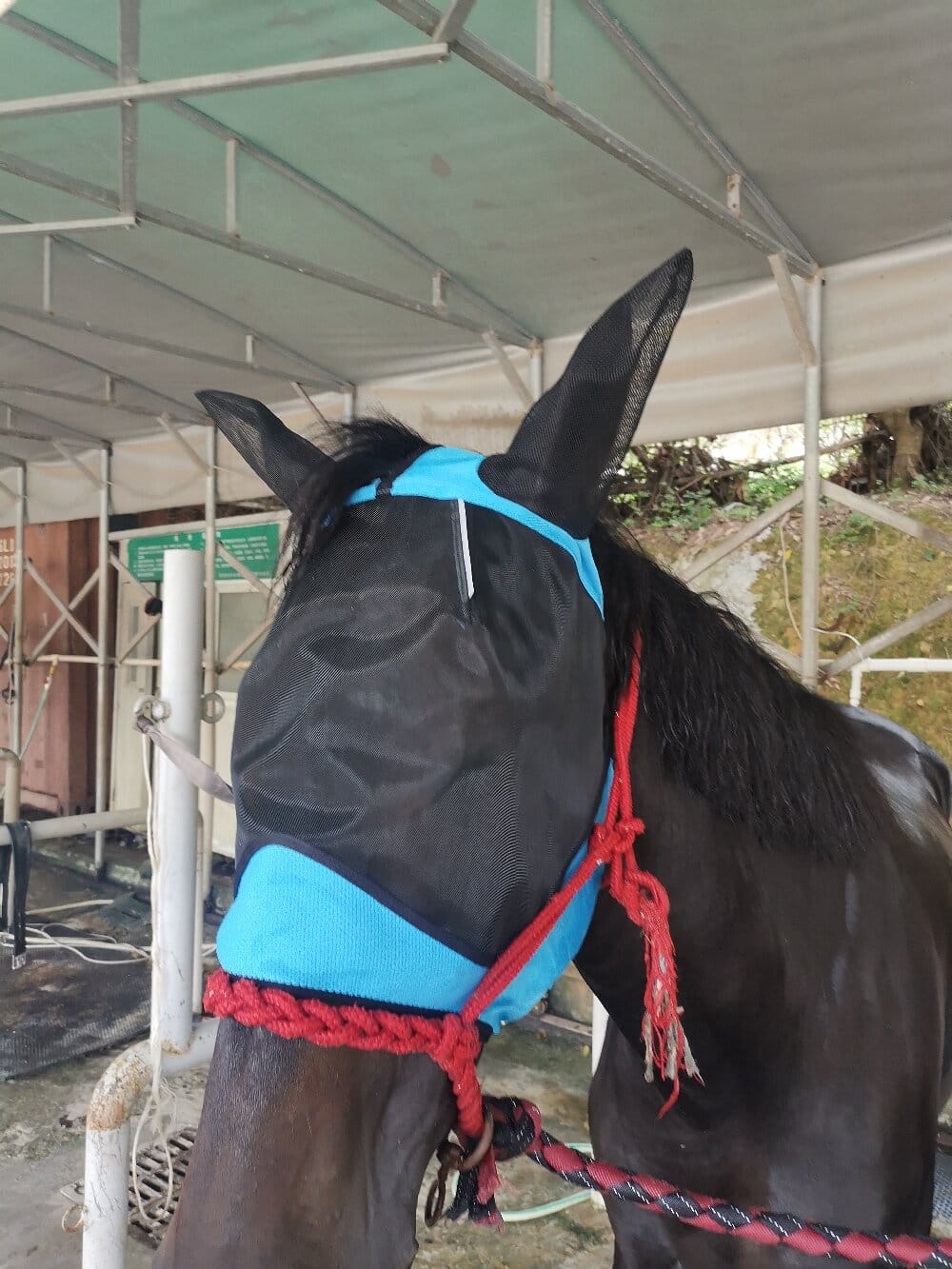
As equine management practices continue to professionalize, the horse fly mask has transitioned from a seasonal accessory into a core component of herd health programs. Industry analysts note that demand is no longer driven solely by summer convenience; instead, barn managers, veterinarians, and competitive stables are integrating fly protection into year-round wellness protocols. This shift has pushed manufacturers to rethink materials, fit systems, and durability standards, elevating the category from commodity status to a performance-driven segment within equine equipment.
Design Priorities Shaping the Horse Fly Mask Category
Product development in the equine fly mask market now centers on three pillars: vision, ventilation, and secure fit. Mesh density has become a key differentiator, with finer weaves offering superior insect exclusion while maintaining airflow that reduces heat buildup around the face and eyes. UV-blocking fabrics are increasingly standard, addressing concerns about photosensitivity and coat bleaching in light-skinned horses. Meanwhile, fit engineering has moved beyond simple strap adjustments; ergonomic patterns that accommodate brow bands, forelocks, and ear placement are now expected by discerning buyers.
Several design trends are defining the current generation of products:
- Extended nose and ear coverage to protect sensitive areas prone to fly bites and sunburn.
- Reinforced binding and double-stitched seams to withstand pasture wear and repeated laundering.
- Fleece-lined edges that minimize rubbing behind the ears and along the jawline.
- Reflective trim options for visibility in low-light turnout and transport scenarios.
- Removable or integrated ear covers that balance noise reduction with airflow.
Materials and Manufacturing Insights
From a supply chain perspective, the category is benefiting from advances in technical textiles. Manufacturers are sourcing lighter, stronger synthetic meshes that resist tearing without sacrificing breathability. Colorfast dyes and antimicrobial treatments are gaining traction, particularly among buyers who prioritize hygiene and appearance retention. Industry observers also point to a growing emphasis on sustainability, with recycled yarns and reduced packaging emerging as subtle but noteworthy differentiators in a market where durability remains the primary purchase driver.
Quality control has become more rigorous as well. Leading producers now subject mesh samples to tensile and UV-degradation testing, and many publish fit charts based on breed and head shape rather than a single size range. This data-driven approach helps reduce return rates and improves customer satisfaction, an increasingly important metric in both retail and wholesale channels.
Purchasing Considerations for Barns and Retailers
For equine professionals evaluating fly protection, the decision matrix extends beyond price. Fit accuracy, mesh visibility, and washability rank among the top criteria cited by stable managers. Retailers, meanwhile, benefit from offering clear sizing guidance and educating customers on proper placement to prevent gaping or slippage. Seasonal rotation strategies, including the use of lighter masks for turnout and more robust options for trailering or pasture, are also gaining popularity as buyers recognize that one design rarely suits every scenario.
Conclusion
The horse fly mask segment reflects broader shifts in equine care toward preventive, comfort-focused management. With material innovation, improved fit engineering, and stronger quality assurance, modern fly masks deliver measurable welfare benefits while meeting the practical demands of barn and retail environments. As manufacturers refine designs and buyers become more informed, the category is well positioned for continued growth and product diversification.