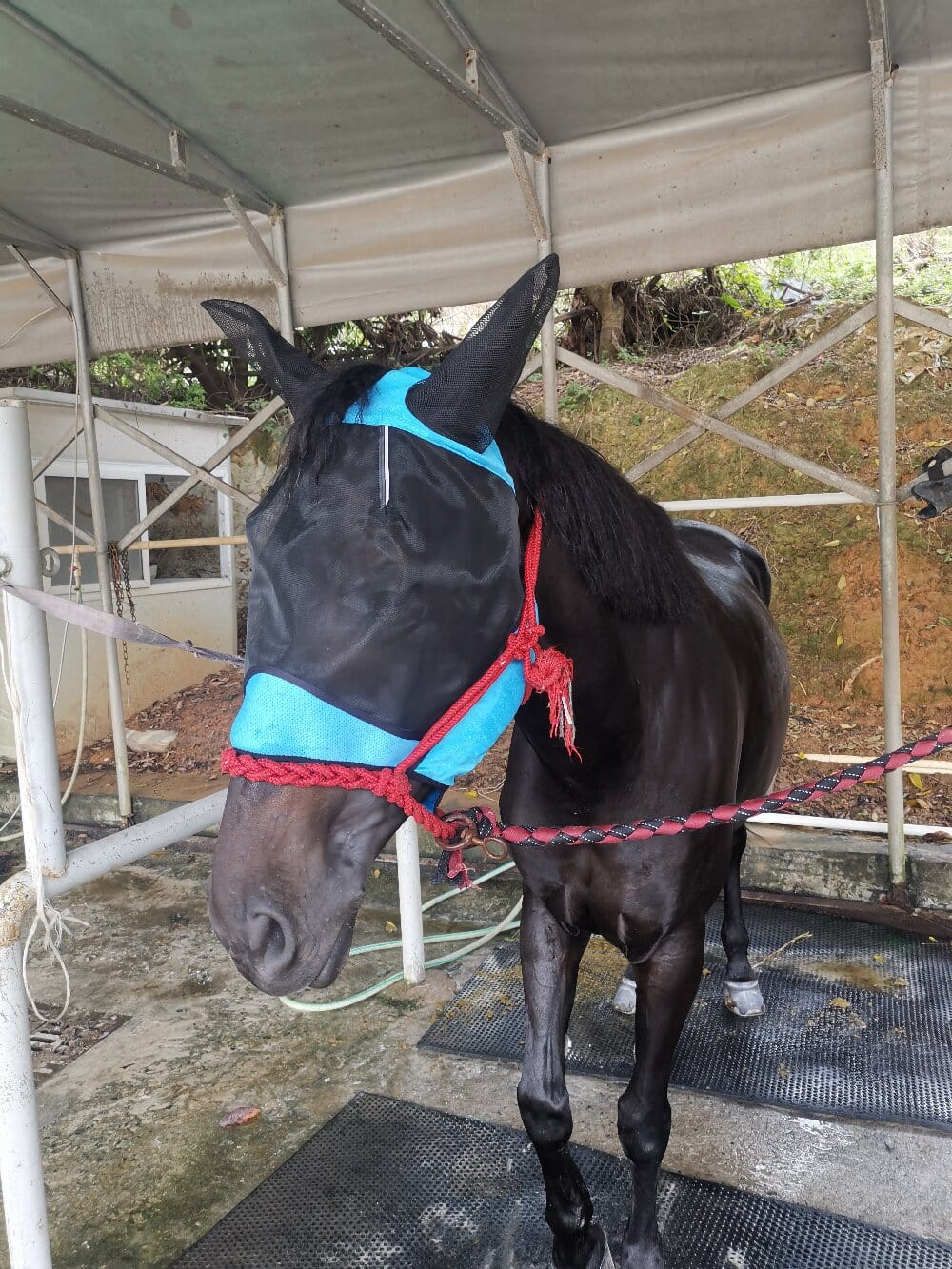
In an era of smarter barn management and rising insect pressure, the horse fly mask has moved far beyond a simple mesh hood. Today’s models reflect the latest trends in equine welfare, materials science, and rider convenience, blending sun protection with serious insect defense. As summers grow longer and pest seasons stretch, owners are treating fly masks less as a seasonal accessory and more as essential daily equipment for turnout, training, and recovery.
Design Trends Shaping the Horse Fly Mask Market
Manufacturers are responding to real-world feedback with features that address comfort, durability, and visibility. The most noticeable shift is toward ergonomic shaping that follows the contours of the equine skull, reducing pressure points around the ears and brow. Soft binding tape and fleece-lined edges are now standard on premium options, while lightweight ripstop mesh improves airflow without sacrificing protection.
Another dominant trend is modularity. Detachable nose pieces, removable ear covers, and adjustable throat straps let owners customize coverage for different conditions, from dusty paddocks to trail rides near water. Reflective piping and high-visibility colors are also gaining traction, particularly for horses turned out near roads or during low-light hours.
- UV-blocking fabrics rated to filter a high percentage of harmful rays
- Draft-resistant ear nets that still allow airflow
- Quick-release closures for safer, faster handling
- Reinforced stitching at stress points for longer wear life
- Machine-washable materials that hold their shape
Materials and Technology Driving Innovation
Fabric engineering sits at the heart of the newest generation of fly protection. Fine-gauge mesh weaves block biting insects while permitting heat exchange, an important consideration as research highlights the role of ventilation in reducing skin irritation. Some brands now incorporate antimicrobial finishes to limit odor and bacterial buildup, and others use recycled or recyclable synthetics to appeal to environmentally conscious buyers.
Fit technology is advancing too. Size-inclusive patterns accommodate everything from fine-boned Arabians to broad Warmbloods, and some designs use stretch panels to prevent rubbing during movement. Field testing and rider reviews increasingly influence product development, pushing companies to prioritize real durability over marketing claims.
Choosing the Right Fly Mask for Your Horse
Selecting an effective mask requires balancing coverage, climate, and the individual horse’s habits. A horse prone to rubbing may benefit from a smoother lining, while one with sensitive skin needs breathable fabric and a secure but gentle fit. Owners should check daily for fit adjustments, debris trapped in the mesh, and signs of wear, since a damaged mask offers little protection.
- Measure the horse’s head and compare against manufacturer size charts.
- Confirm placement so the mask sits away from the eyes and lashes.
- Test ear coverage for comfort and freedom of movement.
- Inspect straps and closures regularly for fraying or looseness.
- Rotate between two masks to extend lifespan and improve hygiene.
Conclusion
The latest trends point toward smarter, more comfortable, and more sustainable fly protection. By understanding evolving designs, materials, and fit considerations, owners can choose a mask that keeps horses comfortable and protected throughout the season while staying ahead of what the market offers.