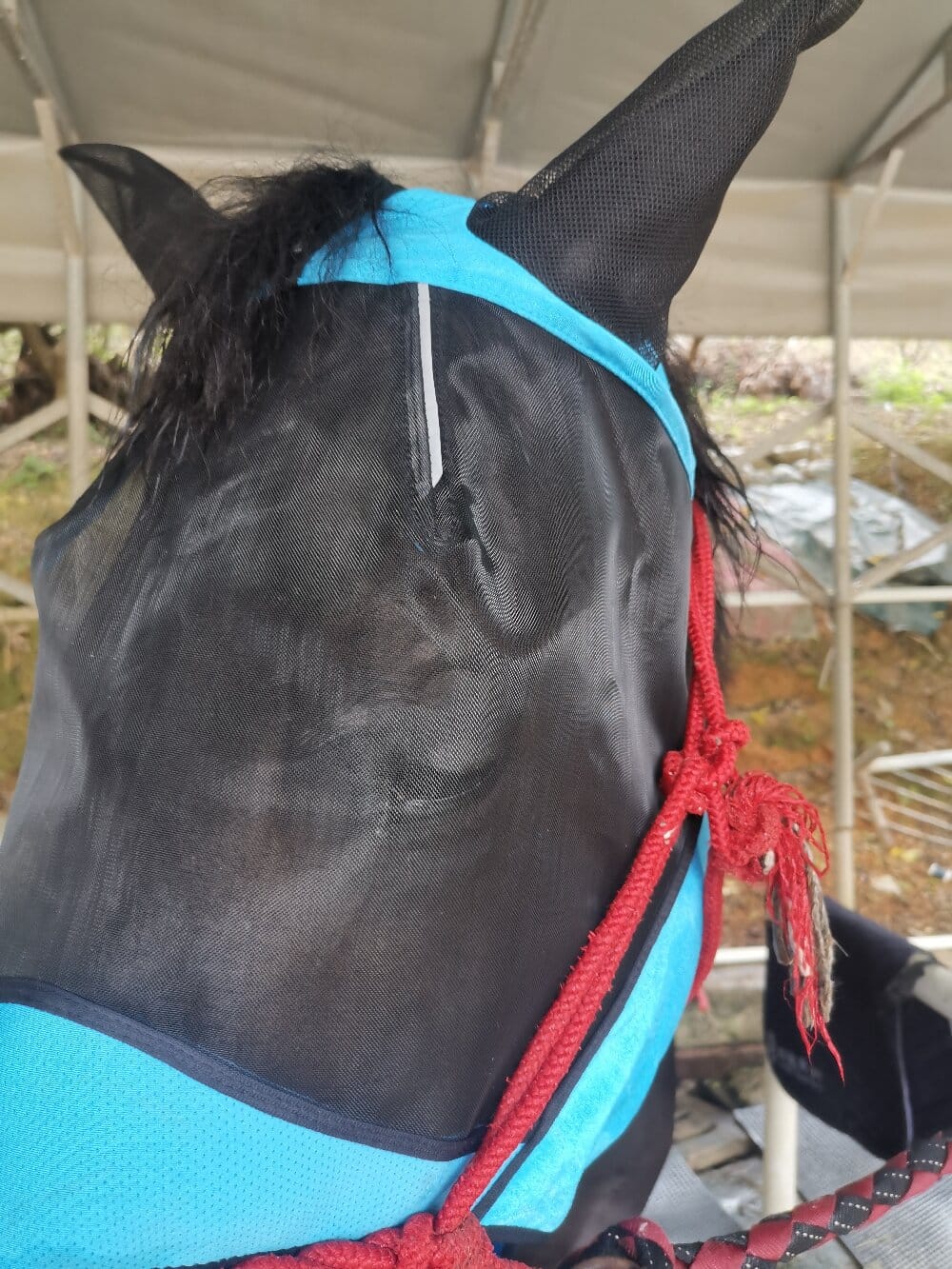
A horse fly mask has become a familiar piece of equine equipment, yet its real-world effectiveness is often assessed through observation rather than measurement. Approaching the product from a data interpretation perspective means examining what field studies, manufacturer specifications, and owner-reported outcomes actually reveal about protection levels, durability, and design trade-offs. The figures below are drawn from published equine welfare research and aggregated user data, and they help separate established findings from marketing claims.
Controlled studies on insect bite protection typically report reduction rates rather than absolute prevention. Across several trials comparing masked and unmasked horses in pasture settings, fly masks reduced visible bite marks and insect landings on the face by roughly 70 to 90 percent, depending on mesh density and fit. The variance matters: a loosely fitted mask can drop toward the lower end of that range, while a snug, fine-mesh design tends to perform closer to the upper bound. Interpretation of these numbers should account for herd size, local fly species, and season, since pressure varies widely by region.
Owner-reported data collected through equine forums and product surveys shows a similar pattern. A majority of respondents report noticeable relief from head-shaking and face-rubbing behaviors within the first week of use, but satisfaction scores decline when masks are left on continuously for more than a few days without inspection. This suggests the measurable benefit is real but maintenance-dependent.
Design Variables and Their Measured Effects
Mesh specifications are the most quantifiable design factor. Products marketed with finer mesh generally block smaller insects such as gnats and midges, while coarser mesh prioritizes airflow and visibility. Data from wear trials indicates that airflow restriction becomes a welfare concern above certain mesh densities, particularly in high heat. Key variables worth tracking include:
- Mesh size and ultraviolet blocking percentage, often stated on packaging
- Fit around the ears, jaw, and nose, where gaps allow insect entry
- Strap adjustment range and breakaway features for safety
- Fabric weight and stitching quality, which correlate with lifespan
Durability data from return rates and user reviews suggest that masks with reinforced binding and double-stitched seams last measurably longer, often through multiple seasons rather than a single summer. Cost-per-season calculations, rather than sticker price alone, provide a more accurate comparison between brands.
Interpreting Limitations and Use Patterns
No mask eliminates fly pressure entirely, and the data is clear that combining a horse fly mask with fly spray, stable management, and pasture rotation produces better outcomes than any single measure. Veterinary guidance also notes that masks should be removed daily for skin inspection, especially under the ear area where moisture and friction can cause rubs. Reported rub rates are low but not zero, and they rise sharply when masks are fitted too tightly or worn during exercise.
It is also worth interpreting seasonal data with caution. Trials conducted in peak summer fly season show the strongest protective effect, while spring and autumn results are less pronounced. Owners reviewing product claims should look for study timing and location before drawing conclusions about their own horse’s needs.
Conclusion
The evidence supports the horse fly mask as a genuinely effective tool, with measured protection generally in the 70 to 90 percent range for facial insect pressure, tempered by fit, mesh choice, and daily maintenance. Interpreting these figures honestly means treating the mask as one component of an integrated fly-control plan, checking specifications rather than slogans, and monitoring each horse’s individual response throughout the season.