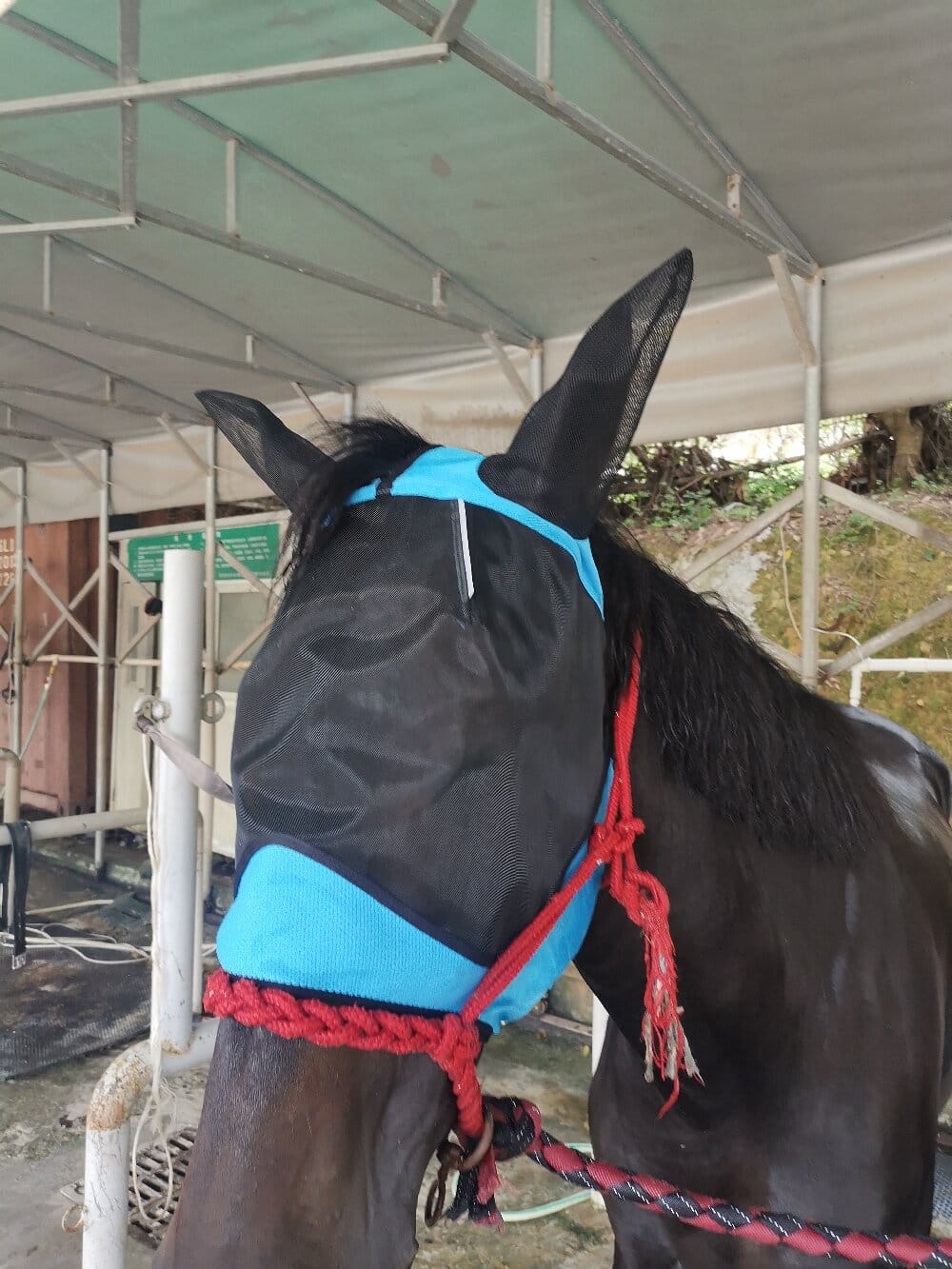
Across equestrian cultures, from the rolling pastures of the British Isles to the arid ranches of the American West, the relationship between humans and horses has long been shaped by practical adaptations to the natural environment. One such adaptation, the horse fly mask, reflects a blend of animal welfare traditions, regional husbandry knowledge, and modern materials science. Though a seemingly simple piece of equipment, its use and design reveal how different communities have approached the age-old problem of protecting working and companion animals from biting insects.
Historical accounts and rural traditions suggest that horse keepers have long improvised barriers against flies and other pests. In some regions, farmers fashioned crude face coverings from leather strips, woven grass, or cloth soaked in natural repellents. These early solutions varied by climate and local resources, illustrating how equestrian cultures adapted differently to their surroundings. The modern horse fly mask, typically made from mesh fabric with fleece trim, is a more standardized descendant of these localized practices. Its rise in popularity coincided with increased understanding of insect-borne diseases and the recognition of equine comfort as a welfare priority.
In show-jumping and dressage communities, the mask is often viewed through a performance lens, as reduced insect irritation can lower stress and improve focus during training. In pastoral and trail-riding cultures, by contrast, the emphasis tends to fall on daily comfort and the prevention of seasonal skin conditions. These differing perspectives show how the same piece of gear can carry multiple meanings depending on the equestrian context.
Design Variations and Their Cultural Contexts
The variety of horse fly masks on the market reflects regional climates and management styles. Full-face masks with ear protection are common in areas with dense summer insect populations, while lighter, open-ear designs appeal to riders in milder zones. Some cultures favor masks with UV-blocking fabric, connecting equine care to broader concerns about sun exposure and coat health. Others prioritize masks with nose coverage, especially where midges and gnats are prevalent near water sources.
- Mesh density and breathability influence comfort in hot, humid climates.
- Ear and nose extensions address specific regional pest pressures.
- Reinforced stitching and adjustable straps reflect local standards for durability and safety.
- Color choices sometimes follow stable traditions or visibility requirements for pasture turnout.
These design choices are not merely technical; they also express cultural preferences about how horses should be kept, handled, and presented. In some communities, a well-fitted mask is a marker of attentive stewardship, while in others it is seen as a temporary seasonal tool rather than a permanent accessory.
Welfare, Tradition, and the Modern Horse Fly Mask
Contemporary discussions around the horse fly mask often center on animal welfare, but they also touch on tradition. Older horsemen may recall homemade fly veils and question whether modern masks are necessary, while younger owners may view them as essential equipment. This generational dialogue is part of a broader cultural shift toward preventive care and evidence-based husbandry. Research on insect irritation and equine stress has gradually informed purchasing decisions, yet local knowledge about fit, sizing, and seasonal timing remains influential.
In conclusion, the horse fly mask is more than a utilitarian item; it is a cultural artifact that mirrors how different equestrian communities balance tradition, climate, and animal welfare. Understanding its cultural perspective helps owners appreciate why practices vary and encourages thoughtful selection based on genuine need rather than habit alone.