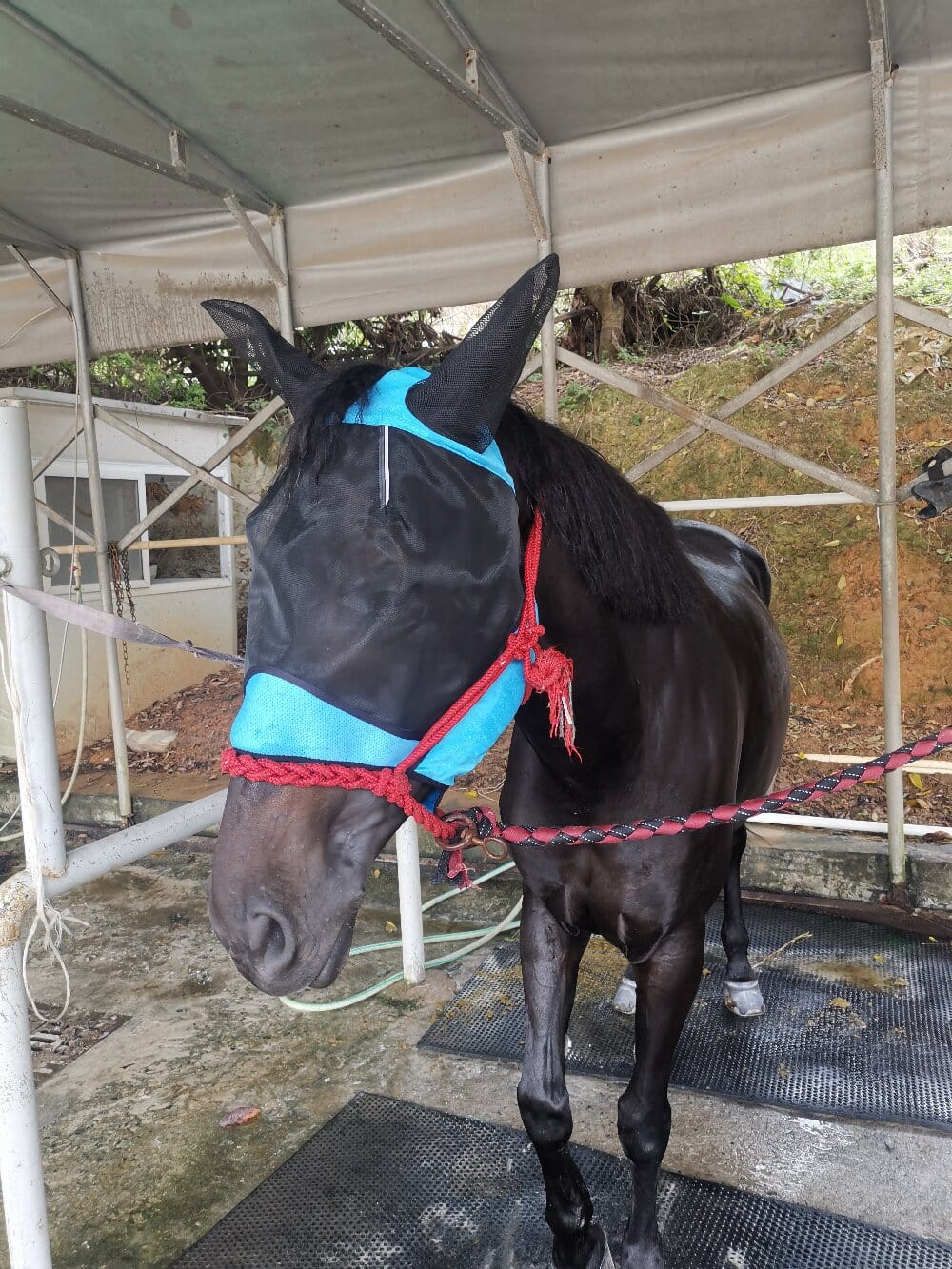
If you were to stand in a stable yard centuries ago, you would notice that protecting a horse’s sensitive face was always a practical concern. The modern horse fly mask, that lightweight mesh veil you see on horses in paddocks today, did not appear overnight. Its story stretches back through agricultural history, shaped by the constant battle between working animals and biting insects. Understanding where this everyday piece of tack came from helps you appreciate why it remains such an essential tool for equine care.
Early Solutions in Agricultural History
Long before synthetic fabrics existed, horse owners improvised. You would have seen crude face coverings fashioned from leather strips, woven straw, or coarse cloth. These early attempts aimed to keep flies away from eyes and ears during long hours in the field. Historical records from European farming communities describe simple fringed nets hung over the browband of a bridle, offering partial relief from botflies and gnats. The goal was straightforward: reduce irritation so a horse could work without tossing its head or rubbing its face raw against fence posts.
During the eighteenth and nineteenth centuries, as horse-drawn transport expanded, you would find more refined designs. Saddlers began stitching mesh panels into leather headpieces, often attaching them to the harness itself. These prototypes of the fly mask for horses were heavy and stiff by today’s standards, yet they represented a meaningful step forward. Farmers and coachmen recognized that a calm, focused animal was a safer and more productive one.
The Rise of the Modern Horse Fly Mask
The twentieth century transformed this humble accessory. With the arrival of nylon and polyester, manufacturers could produce fine, durable mesh that blocked tiny insects while letting air circulate. You would have watched the design evolve from stiff leather frames to soft, flexible masks secured with hook-and-loop straps. Veterinary research also played a role, highlighting how UV rays and flying pests contribute to eye conditions such as conjunctivitis and uveitis. This knowledge pushed the horse fly mask from a comfort item to a genuine health product.
By the late twentieth century, equestrian catalogs brimmed with variations: masks with ear covers, nose fringes, and fleece trim to prevent rubbing. You might notice that styles diversified for different disciplines, from turnout masks for pasture horses to lighter versions for riding. The widespread adoption of fly masks reflected a broader shift in horse ownership, where preventive care and welfare moved to the forefront of stable management.
What a Historical View Teaches You Today
Looking back reveals several lessons you can apply when selecting protection for your own horse:
- Fit matters more than fashion; historical makers learned that poor fit causes rubbing and refusal to wear.
- Breathability was always the priority, which is why modern mesh outperforms old leather and cloth.
- Durability justified the investment, since working animals needed gear that survived mud, rain, and daily wear.
- Ear and eye coverage address specific vulnerabilities that horsemen recognized centuries ago.
You should also inspect stitching and strap quality, because the same craftsmanship concerns that occupied saddlers long ago still determine whether a mask lasts a season or a single week. Understanding this lineage helps you choose a fly mask for horses with confidence rather than guesswork.
Conclusion
The evolution of equine face protection, from straw fringes to fine mesh veils, shows how practical needs drive innovation. As you shop for a horse fly mask today, you are participating in a tradition of care that spans generations. Choose breathable materials, verify a secure yet comfortable fit, and remember that this simple piece of equipment carries a long history of protecting horses from the relentless nuisance of flying insects.