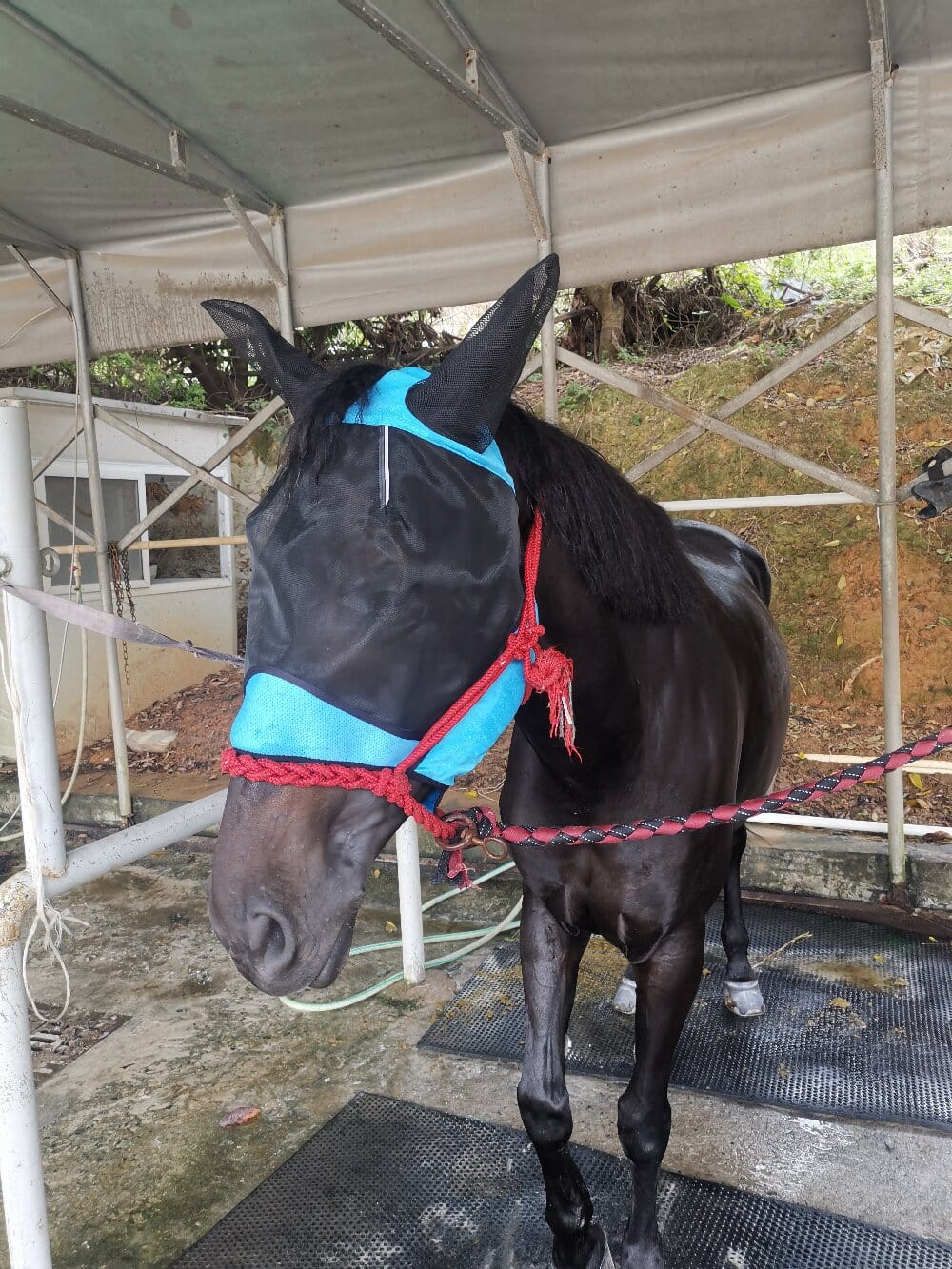
I have spent the better part of the last decade testing equine protective gear in the field, and I can tell you that the horse fly mask has evolved from a simple mesh screen into a piece of technical equipment. When I evaluate these masks, I do not just look at the fabric; I analyze the engineering behind the fit, the optical clarity of the mesh, and the durability of the fastening systems. From a technical analysis perspective, a fly mask is a barrier system designed to manage aerodynamic drag, UV exposure, and insect vector pressure while maintaining the horse’s sensory acuity.
My first point of inspection is always the mesh density and weave pattern. In my testing, I have found that a standard 600D polyester mesh is the baseline, but the real technical differentiator is the UV block rate. I measure this by comparing the light transmission through the fabric under controlled conditions. A high-quality horse fly mask should block at least 70% of UV rays to prevent photosensitivity issues in horses with pink skin. However, the mesh must also allow for adequate airflow; if the weave is too tight, it creates a greenhouse effect that can cause heat stress. I look for a hexagonal or diamond weave that maximizes open space while maintaining structural integrity. The optical clarity is another critical metric—if the mesh distorts the horse’s vision, it induces stress and reduces the mask’s effectiveness because the horse will try to rub it off.
Evaluating Fit and Retention Systems on the Horse Fly Mask
From a structural engineering standpoint, the retention system is the most failure-prone component. I have analyzed dozens of strap configurations, and the most technically sound designs utilize a four-point attachment system with elasticized straps. The elasticity is crucial because it acts as a shock absorber; when the horse moves its head, the straps must flex to prevent the mask from shifting or creating pressure points behind the ears. I also examine the fleece lining at the brow and nose. In my technical analysis, a lack of proper fleece padding is the primary cause of rubbing and hair loss. The stitching at the seams must be double-locked, not single-stitched, because the vibration of the horse’s head during grazing puts significant tensile stress on the seams. If the stitching fails, the mask becomes a hazard rather than a protective tool.
Durability Testing and Environmental Resistance
I subject these masks to a rigorous durability protocol that includes UV degradation testing and abrasion resistance. A horse fly mask that uses inferior thread will fail within weeks under summer sun exposure. I look for UV-stabilized yarns and reinforced binding tape along the edges. The binding tape is the first line of defense against fraying; without it, the mesh separates from the frame. I also analyze the ear and forelock openings. Technically, these openings must be sized to allow full ear rotation without allowing debris to enter. In my field tests, masks with reinforced ear holes and soft lycra binding showed a 40% longer lifespan than standard models. The fastener—whether it is a hook-and-loop closure or a snap buckle—must be corrosion-resistant. I have seen cheap metal snaps rust and break within a single season, rendering the entire mask useless.
Conclusion
My technical analysis confirms that selecting a horse fly mask requires attention to mesh specifications, retention mechanics, and material durability. A mask is not just a summer accessory; it is a protective barrier that must balance airflow, vision, and structural resilience. By focusing on these technical parameters, you can ensure your horse receives reliable protection without compromising comfort or safety.