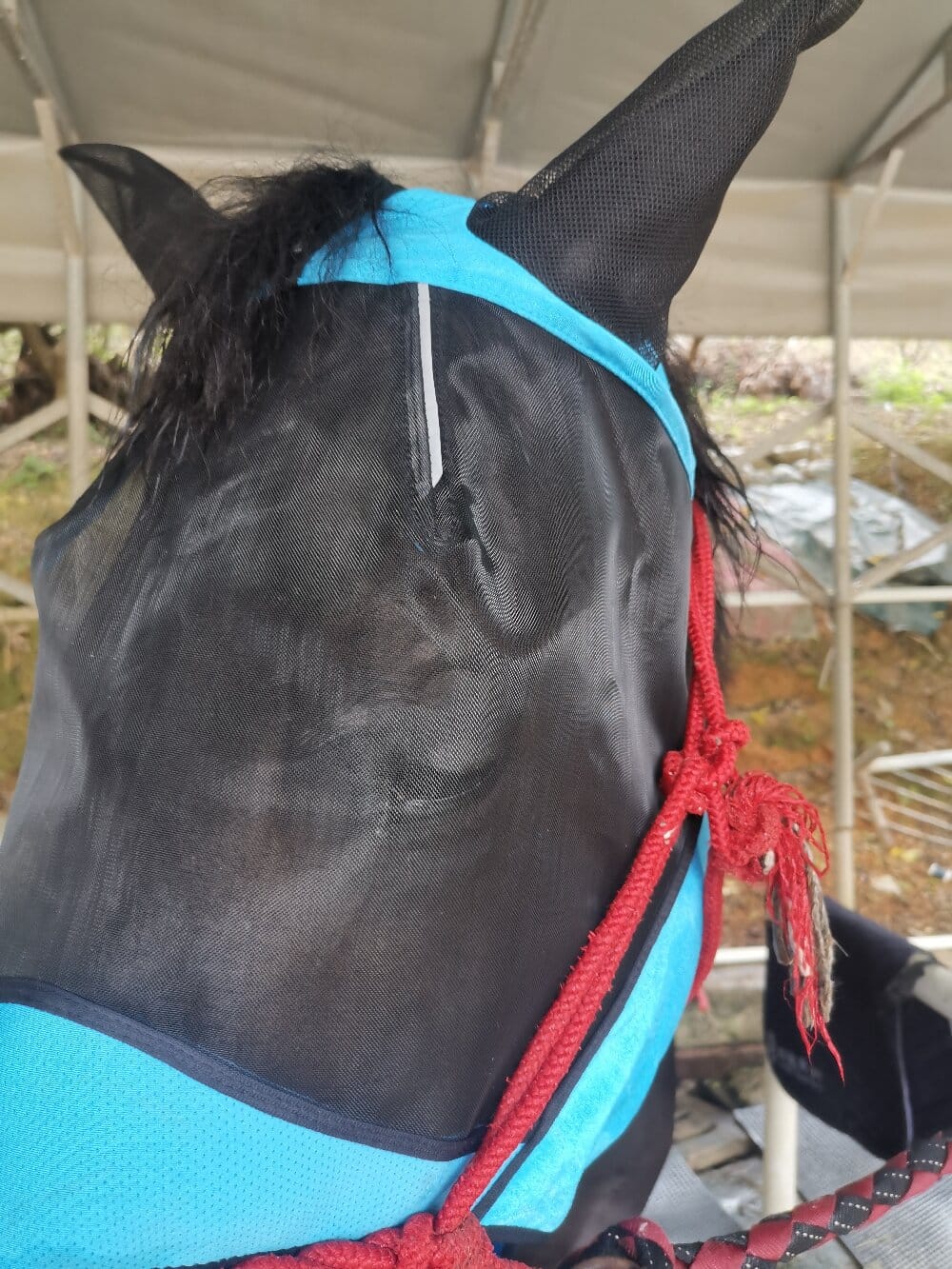
When I first bought a horse fly mask, I treated it like any other piece of tack — something you grab off the shelf, strap on, and forget about. But after a few seasons of watching masks fail, rub, or mysteriously disappear in the pasture, I started analyzing them the way I’d analyze any piece of performance equipment. A fly mask is not just fabric; it’s an engineered barrier system, and once you look at mesh density, UV ratings, and fastening geometry, the differences between products become impossible to ignore.
Evaluating the Horse Fly Mask as a Barrier System
From a technical standpoint, a horse fly mask performs three functions simultaneously: physical exclusion of insects, ultraviolet filtration, and mechanical retention during movement. Each function has measurable parameters, and I’ve learned to compare products on those parameters rather than on color or price alone.
Mesh density is the first specification I check. Finer mesh blocks smaller insects such as gnats and midges, but it also reduces airflow and visibility. Coarser mesh ventilates better but lets tiny pests through. I look for a mesh rated around 300 to 400 microns for general fly pressure, and denser weave around the eyes when midge exposure is high. The trade-off is real, and the right balance depends on your climate and your horse’s sensitivity.
UV protection is the second metric. Many masks advertise a UPF rating, and I treat anything below UPF 50 as insufficient for horses with pink skin or photosensitivity. The fabric over the eyes and muzzle matters most, since those areas burn easily.
Fit, Fastening, and Failure Points I Track
Retention is where most masks fail. I’ve watched horses remove masks within minutes because the closure system was poorly designed. My checklist includes:
- Fleece or soft binding at the brow and nose to prevent rub marks
- Double hook-and-loop straps rather than single closures
- Ear openings sized to avoid pressure without leaving gaps for insects
- Darting or shaping around the eye cups so mesh stays off the lashes
I also inspect stitching at stress points — the throat latch and poll area take the most load. Reinforced seams and bound edges consistently outlast glued construction. When I test a new horse fly mask, I flex the straps repeatedly and check whether the mesh distorts under tension.
Matching the Mask to the Horse and the Environment
No single design fits every situation. I categorize masks by use case: turnout masks for full-day pasture coverage, riding masks for exercise with better visibility, and specialty masks with nose extensions for horses prone to sweet itch. Seasonal factors matter too — fly pressure peaks in humid months, and UV intensity rises with altitude. I rotate masks accordingly and keep a spare on hand because wet mesh loses shape and dries slowly.
Maintenance and Longevity Analysis
Durability directly affects value. I hand-wash masks in mild soap, air-dry them away from direct sun, and inspect hook-and-loop closures for lint buildup that weakens grip. Masks stored crumpled tend to develop permanent creases that compromise fit. Tracking wear over a season tells me whether a product’s cost per month of service justifies its price.
Conclusion
Treating a horse fly mask as a technical purchase rather than an impulse buy has saved me money and frustration. By comparing mesh density, UV rating, fastening design, and seam construction, I choose masks that actually stay on and protect. The best mask is the one engineered for your horse’s specific exposure — and inspected with the same rigor you’d apply to any other piece of equine equipment.