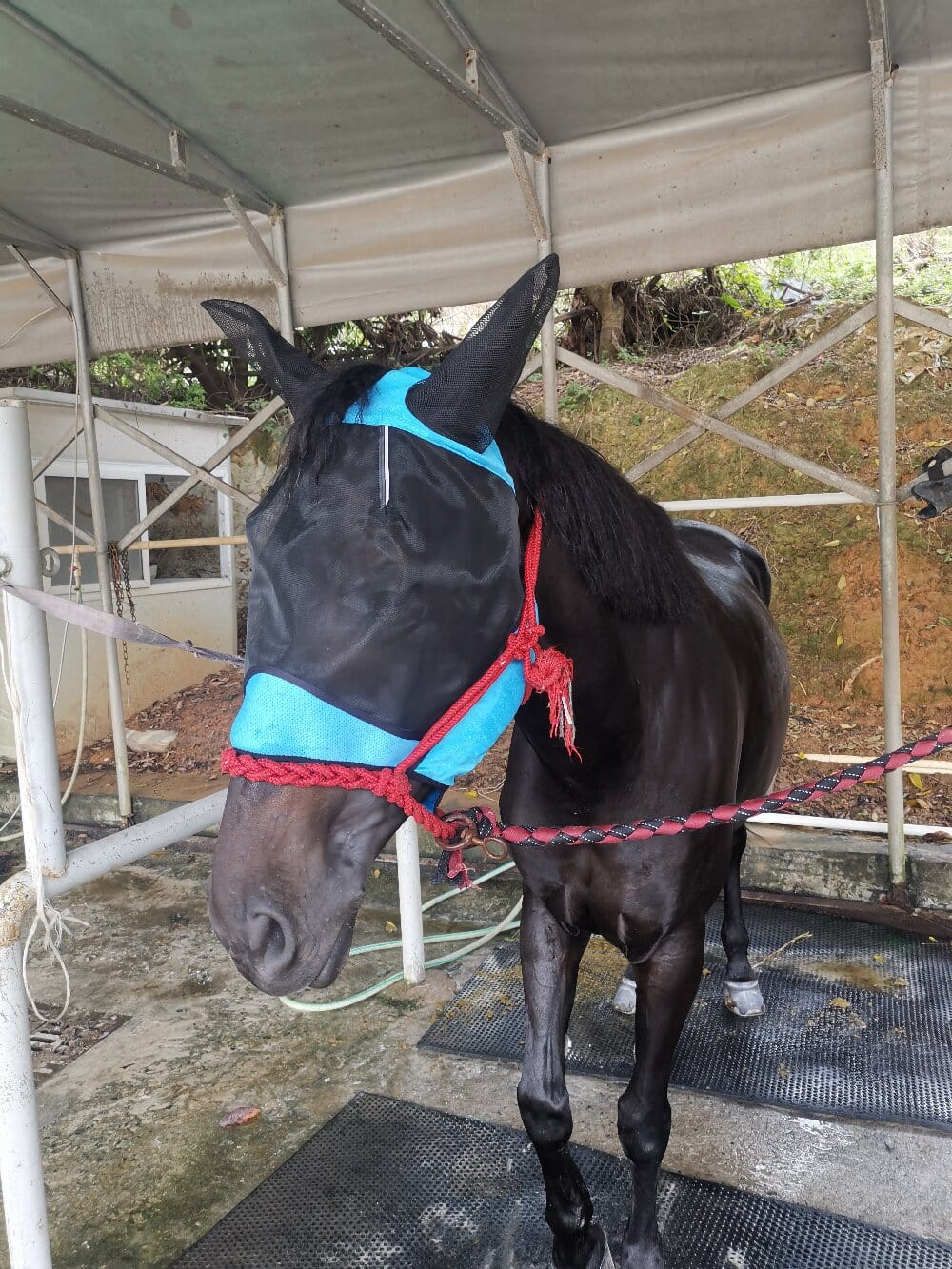
Choosing a horse fly mask is not simply a matter of grabbing the first inexpensive mesh hood on the shelf. Riders, barn managers, and veterinarians increasingly compare designs side by side because the differences in fit, fabric, and coverage directly affect comfort, durability, and protection. A mask that works well for a paddocked pony may fail for a sensitive show horse with eye issues. This comparative look examines the key trade-offs so you can match the product to the animal and the environment.
Fit and Coverage: Comparing Full-Face and Earless Designs
The first comparison most buyers make is between full-face masks with ear covers and simpler styles without them. Full-coverage models shield the ears, forehead, and sometimes the nose from biting insects, making them a strong choice for horses turned out near standing water or in humid climates. Earless versions are cooler and easier to fit under a bridle, but they leave the ears exposed to flies and midges.
Fit matters as much as coverage. A mask that gapes at the throat lets insects crawl underneath, while one that is too tight can rub the face and restrict the horse’s vision. When comparing brands, check whether the closures are adjustable at both the throat and the poll, and look for soft binding along the edges. Horses with broad foreheads or long faces often need a specific size chart rather than a generic “cob” or “horse” label.
Fabric and Mesh: Balancing Protection Against Airflow
Mesh density is another point of comparison. Fine mesh blocks tiny biting midges, which is essential in areas where sweet itch or summer eczema is a concern. However, denser fabric reduces airflow and can cause sweating during hot weather. Coarser mesh offers better ventilation and visibility but may allow smaller insects through.
Consider these common fabric choices:
- Fine woven mesh: best for midge protection and horses prone to sweet itch.
- Open mesh with UV-blocking weave: a compromise for bright, hot climates.
- Solid or mesh-paneled ear covers: useful for horses bothered by flies around the ears.
Durability also separates budget masks from premium ones. Reinforced stitching, double-layered nose panels, and elasticized fleece trim tend to extend the life of a mask that is worn daily and washed often.
Horse Fly Mask Comparison by Use Case
Context changes the comparison. A turnout mask for a pastured horse should prioritize secure closures and tough fabric that resists snagging on fences. A stabled horse may do better with a lighter, cooler mask. Horses in work often need a design that fits comfortably beneath a bridle or browband, while horses with eye conditions may require a mask with a darker or more structured eye area to reduce glare and pressure.
Price is part of the equation, but cost per season matters more than sticker price. A cheap mask that tears within weeks may cost more over time than a well-made option that survives repeated washing. Reading reviews and checking return policies helps buyers compare real-world performance rather than marketing claims.
Key Takeaways for Smart Buyers
Comparing horse fly mask options comes down to matching coverage, mesh density, and fit to the individual horse and its environment. Prioritize adjustable closures and soft edging, weigh midge protection against airflow in hot weather, and consider how the mask will be used before choosing a style. A thoughtful comparison today saves money, reduces rubbing, and keeps your horse more comfortable through fly season.