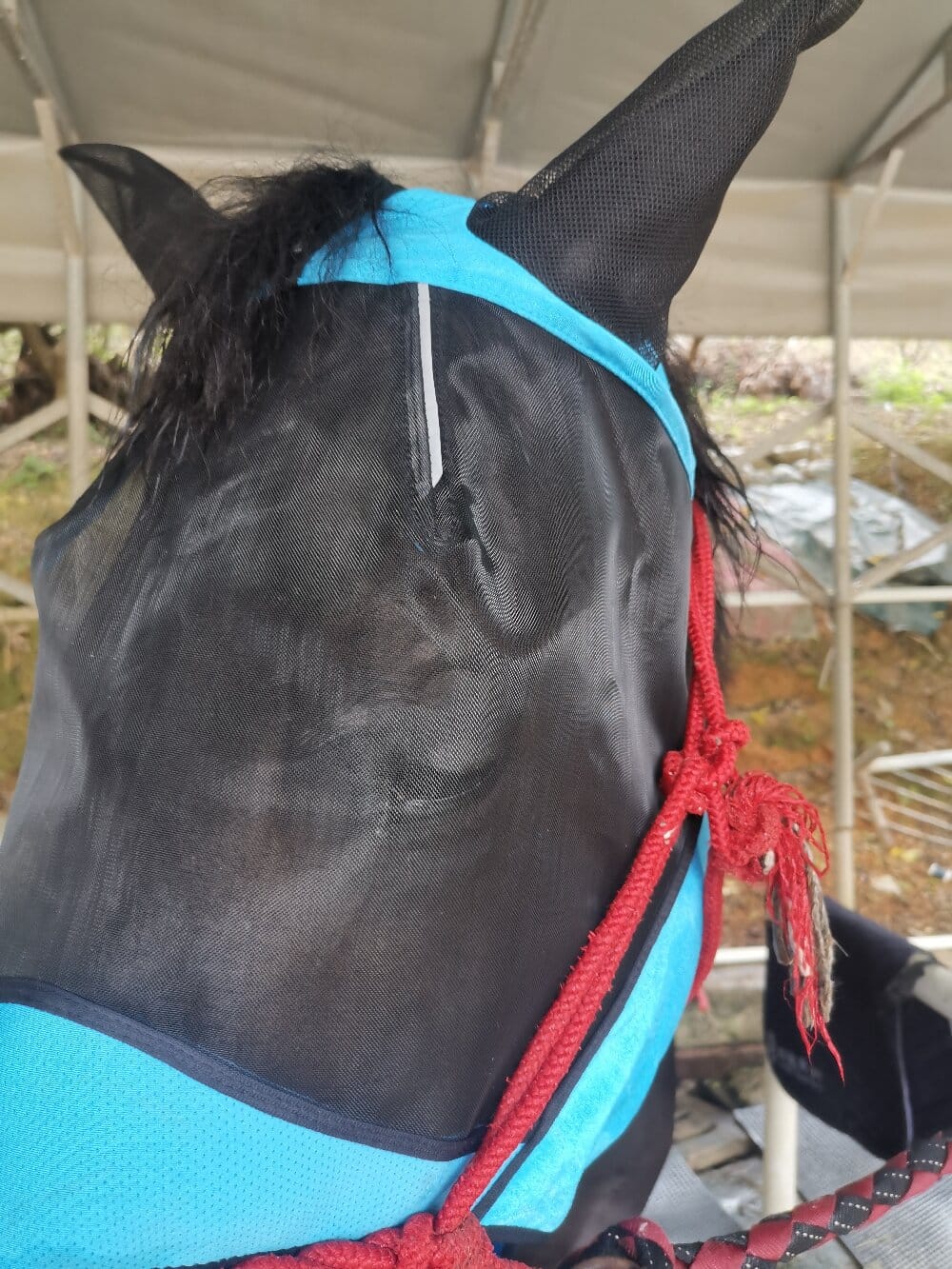
In the equine equipment sector, the horse fly mask has evolved from a simple mesh accessory into a technically engineered piece of protective gear. As insect-borne diseases and seasonal eye irritation continue to concern owners and veterinarians, manufacturers are investing in fabric technology, fit systems, and field-tested designs that aim to balance protection with comfort. This industry insight examines the current state of the market, the materials driving innovation, and the practical considerations that shape purchasing decisions.
Fabric selection remains the foundation of product differentiation. Suppliers are moving beyond standard polyester mesh toward high-density polyethylene and nylon blends that resist tearing while maintaining airflow. Ultraviolet-blocking weaves, often rated for 70 percent or higher UV filtration, now appear in premium lines, addressing both insect pressure and sun exposure in one layer. Manufacturers report growing demand for soft, edge-bound binding that reduces rub marks along the jaw and brow, a common failure point in older designs.
Another notable shift is the integration of fleece-lined brow bands and ear pockets. These features target sensitive areas where flies congregate, and they allow a single mask to serve horses with different head shapes. From a production standpoint, modular construction—where ears, nose covers, and veil components can be specified separately—helps brands offer broader catalogs without multiplying SKUs.
Fit and Sizing: The Overlooked Performance Variable
Industry feedback consistently identifies fit as the leading cause of product returns. A mask that gaps at the throat latch invites insects, while an overly tight crown piece can cause pressure points and hair loss. Leading suppliers are responding with adjustable touch-tape closures, elasticized poll straps, and size charts segmented by breed type rather than a single head circumference measurement.
- Draft and warmblood sizes with extended cheek coverage
- Pony and foal options with reduced mesh density for smaller faces
- Ergonomic ear shapes that accommodate varied ear carriage
- Reinforced stitching at strap anchor points to extend service life
Retailers benefit from carrying multiple sizes, since fit-related exchanges are costly and erode customer confidence. Vendors that provide clear measuring guidance and breed-specific recommendations typically see lower return rates.
Why the Horse Fly Mask Matters in Preventive Care
Veterinary professionals increasingly frame fly protection as part of a broader wellness protocol rather than a seasonal afterthought. Stable flies and face flies contribute to ocular irritation, conjunctivitis, and the spread of bacterial pathogens, while biting midges are linked to sweet itch and summer eczema. A well-constructed horse fly mask acts as a physical barrier that reduces reliance on topical repellents and insecticides, an advantage as owners seek lower-chemical management strategies.
Field studies and manufacturer testing suggest that consistent daytime wear during peak insect activity can meaningfully reduce head-shaking behavior and eye discharge. However, the industry cautions against overnight use in humid climates unless ventilation is adequate, and recommends daily inspection for accumulated debris, sweat, and wear along seams.
Market Trends and Purchasing Considerations
The category is shifting toward durability and transparency. Brands are publishing mesh weight, UV ratings, and wash-cycle performance, responding to informed buyers who compare specifications online. Seasonal bundles—mask plus fly sheet—are gaining traction in retail, and replacement parts are becoming a standalone revenue stream. Price points vary widely, but trade analysis indicates that mid-tier products with reinforced binding and adjustable fit deliver the strongest repeat-purchase rates.
For buyers, the practical checklist is straightforward: verify mesh density and UV protection, confirm size range and adjustability, inspect binding quality, and review care instructions. Masks that withstand repeated laundering without fraying or shrinking represent better long-term value than low-cost alternatives replaced each season.
Conclusion
The horse fly mask market reflects a broader maturation in equine protective equipment, where material science, ergonomic fit, and preventive healthcare converge. Manufacturers that invest in documented performance data and size-inclusive designs are positioned to earn loyalty, while owners who prioritize fit and fabric quality gain more reliable protection for their animals. As insect seasons lengthen in many regions, demand for well-engineered masks is likely to remain steady, with continued innovation centered on comfort, durability, and verifiable UV and barrier performance.