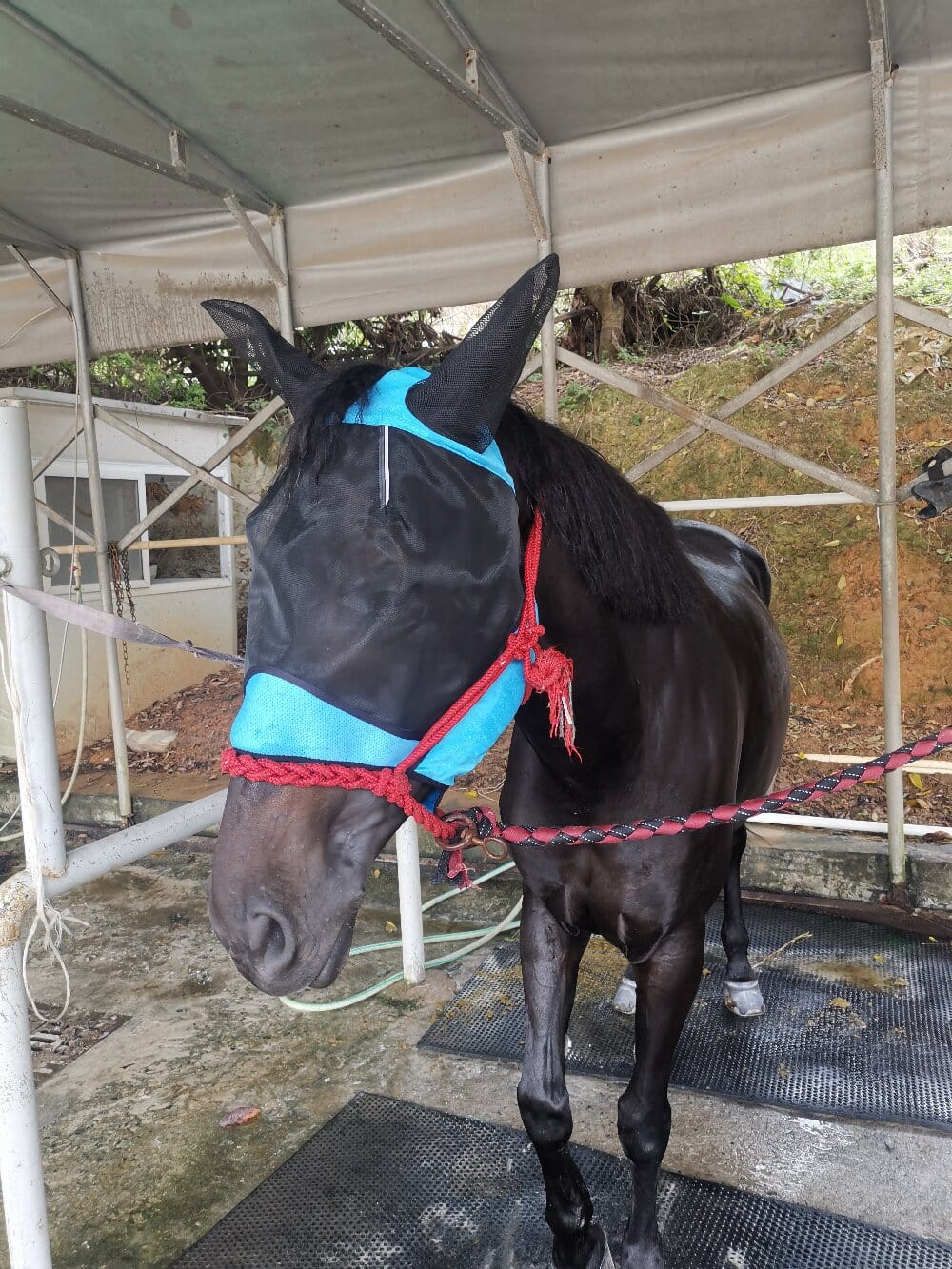
In the equine equipment sector, the horse fly mask has evolved from a simple mesh hood into a technically engineered piece of protective gear. Manufacturers and equestrian facility managers now evaluate these products on criteria that extend well beyond basic insect exclusion, including fabric durability, optical clarity, and ergonomic fit. As summer fly seasons intensify across many regions, demand for effective fly control solutions continues to shape product development and purchasing decisions within the industry.
Textile suppliers serving the equine market have shifted toward high-tenacity polymer meshes that balance airflow with bite resistance. Modern fly masks for horses typically incorporate UV-stabilized fibers, which slow degradation from sun exposure and repeated washing. Industry testing protocols now commonly measure burst strength, tear resistance, and colorfastness after multiple wash cycles, giving buyers more reliable performance data than in previous decades.
Another notable trend is the integration of soft binding tapes and fleece-lined edges. These design choices reduce abrasion along the muzzle and browband, addressing a common complaint among horse owners. From a manufacturing standpoint, these refinements add marginal cost but significantly improve perceived value and reduce return rates.
Fit, Visibility, and Welfare Considerations
Fit remains the most consequential variable in fly mask performance. Ill-fitting masks can shift during turnout, creating rub points or allowing insects to reach the eyes and ears. Producers increasingly offer sizing grids based on head measurements rather than breed alone, and adjustable touch-tape closures have become standard on mid- and premium-tier products.
Optical properties also matter. Some manufacturers now specify mesh aperture sizes that preserve forward vision while blocking small insects. Veterinary professionals often note that reduced visibility can cause stress or head-shaking, so transparent or finely woven eye panels are frequently recommended for sensitive horses. Ear coverage, nose fringes, and forelock openings are optional features that buyers should match to climate, pasture conditions, and individual horse behavior.
Market Segments and Purchasing Criteria for the Horse Fly Mask
The horse fly mask category spans several distinct price and performance tiers. Understanding these segments helps retailers and barn managers allocate budgets effectively:
- Entry-level masks: Basic mesh construction, limited sizing, suitable for short seasonal use.
- Mid-tier masks: UV-treated fabric, fleece edging, and adjustable straps for daily turnout.
- Premium and therapeutic masks: Fine mesh optics, extended ear and nose coverage, and reinforced stitching for durability across multiple seasons.
Institutional buyers, including boarding stables and veterinary clinics, tend to prioritize washability and consistent sizing across batches. Consumer purchasers, by contrast, often weigh visibility and comfort features more heavily. Suppliers that publish clear specifications, including mesh denier and UV protection ratings, generally see stronger repeat business.
Maintenance, Longevity, and Industry Outlook
Proper care extends the service life of any fly mask. Hand washing in cool water, air drying, and avoiding high-heat tumble cycles preserve mesh integrity and elastic components. Industry analysts expect continued growth in the equine fly control segment, driven by rising awareness of insect-borne disease and welfare standards. Innovations likely to gain traction include antimicrobial fabric treatments, modular designs with replaceable components, and improved sizing systems informed by digital measurement tools.
In summary, the horse fly mask market is characterized by steady material improvement, greater attention to fit and visibility, and clearer segmentation across price tiers. Buyers who evaluate mesh quality, sizing accuracy, and maintenance requirements will secure better value, while manufacturers that document performance data will remain competitive in an increasingly discerning equestrian marketplace.