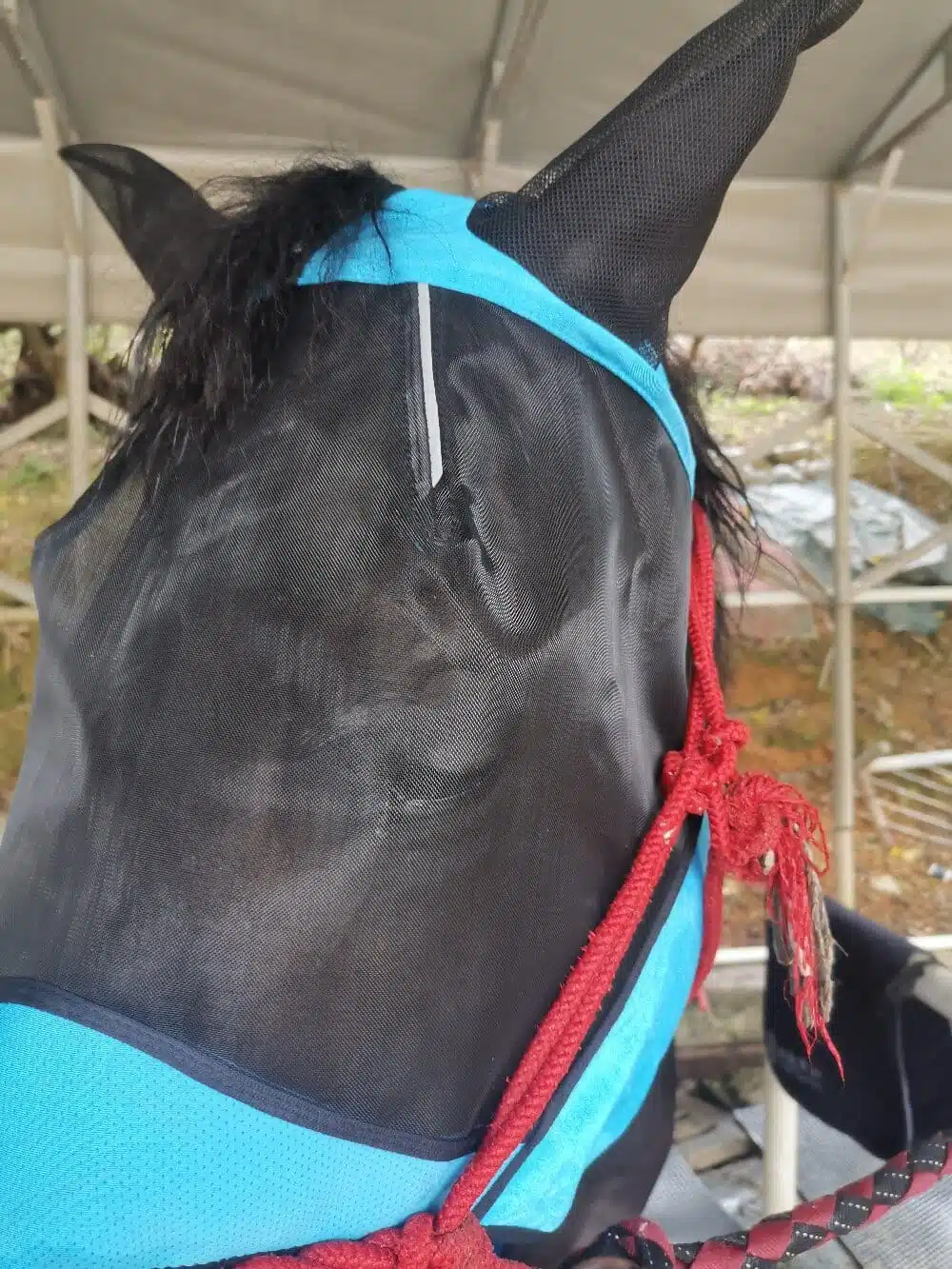

If you had told me a few years ago that the horse fly mask would become one of the most talked-about pieces of equestrian gear in the barn aisle, I probably would have laughed. Yet here we are. Walk into any tack shop or scroll through your favorite equestrian social feeds, and you will notice something striking: fly masks are no longer just utilitarian mesh hoods thrown on before turnout. They have evolved into thoughtfully designed, trend-forward accessories that combine protection, comfort, and yes, a little bit of personality. As someone who has watched this category shift from boring to borderline stylish, I think it is worth exploring where the horse fly mask is heading and why riders are paying closer attention than ever.
Form Meets Function in the Modern Horse Fly Mask
The latest generation of fly masks is a far cry from the stiff, cheap netting of the past. Designers are now treating them like performance apparel. Think breathable technical fabrics, UV-blocking mesh, and ergonomic cuts that actually follow the contours of a horse’s head. The trend I am seeing everywhere is the rise of sleek, fitted silhouettes that stay put during turnout while still allowing full visibility and airflow. Equestrians are demanding more from their gear, and manufacturers are responding with masks that address real concerns: rub prevention, ear coverage, and long-nose protection for sensitive-skinned horses.
What is driving this? Partly it is the growing awareness of equine eye health and insect-borne irritation, and partly it is the simple fact that riders want gear that looks as good as it performs. The fly mask has quietly become a statement piece, with bold colors, reflective piping, and matching sets showing up in barns everywhere.
Features Riders Are Actually Looking For
When I talk to fellow horse owners about what makes a fly mask worth buying, the answers are refreshingly practical. The trend toward smarter design has translated into specific, must-have features:
- UV protection: Blocking harmful rays is now a top priority, especially for horses with light-colored faces or eye conditions.
- Ear and forelock coverage: Full-coverage styles are in demand for horses prone to head-shaking and midge sensitivity.
- Rub-resistant edges: Fleece or soft binding around the edges is a non-negotiable for many owners.
- Adjustable straps: Secure, quick-release fastenings that keep the mask in place without pressure points.
- Breathable mesh: Lightweight fabrics that allow airflow while keeping even the tiniest flies out.
I find it fascinating that the market has moved beyond “one size fits all.” You can now find masks tailored to specific head shapes, from refined Thoroughbred heads to broader draft builds. That level of customization is a genuine trend, and honestly, it is about time.
Sustainability and Smart Materials Are Shaping the Category
Another trend I cannot ignore is the push toward eco-conscious materials. Recycled mesh, responsibly sourced fabrics, and durable construction that reduces the need for frequent replacements are all showing up in new collections. Riders are increasingly conscious of their environmental footprint, and brands are responding with fly masks that are built to last multiple seasons rather than falling apart after a few weeks. In my view, this is one of the most welcome developments in the equestrian gear world.
How to Choose the Right Fly Mask for Your Horse
My advice is to start with your horse’s specific needs rather than the trendiest color. Consider whether your horse needs ear coverage, long-nose protection, or a simple eye-only design. Check the fit carefully, ensuring the mask sits well away from the eyes and does not rub behind the ears. Look for breathable, UV-blocking mesh and secure fastenings. Then, by all means, have fun with the style — because a horse fly mask that fits well and looks sharp is a small daily win worth enjoying.
Final Thoughts
The horse fly mask has transformed from a basic protective necessity into a thoughtful, trend-driven piece of equestrian equipment. With smarter materials, better fits, and a growing emphasis on eye health and sustainability, today’s masks offer real benefits for both horse and rider. The takeaway is simple: prioritize protection and comfort first, then embrace the style — your horse will thank you, and your barn aisle will look a whole lot more interesting.