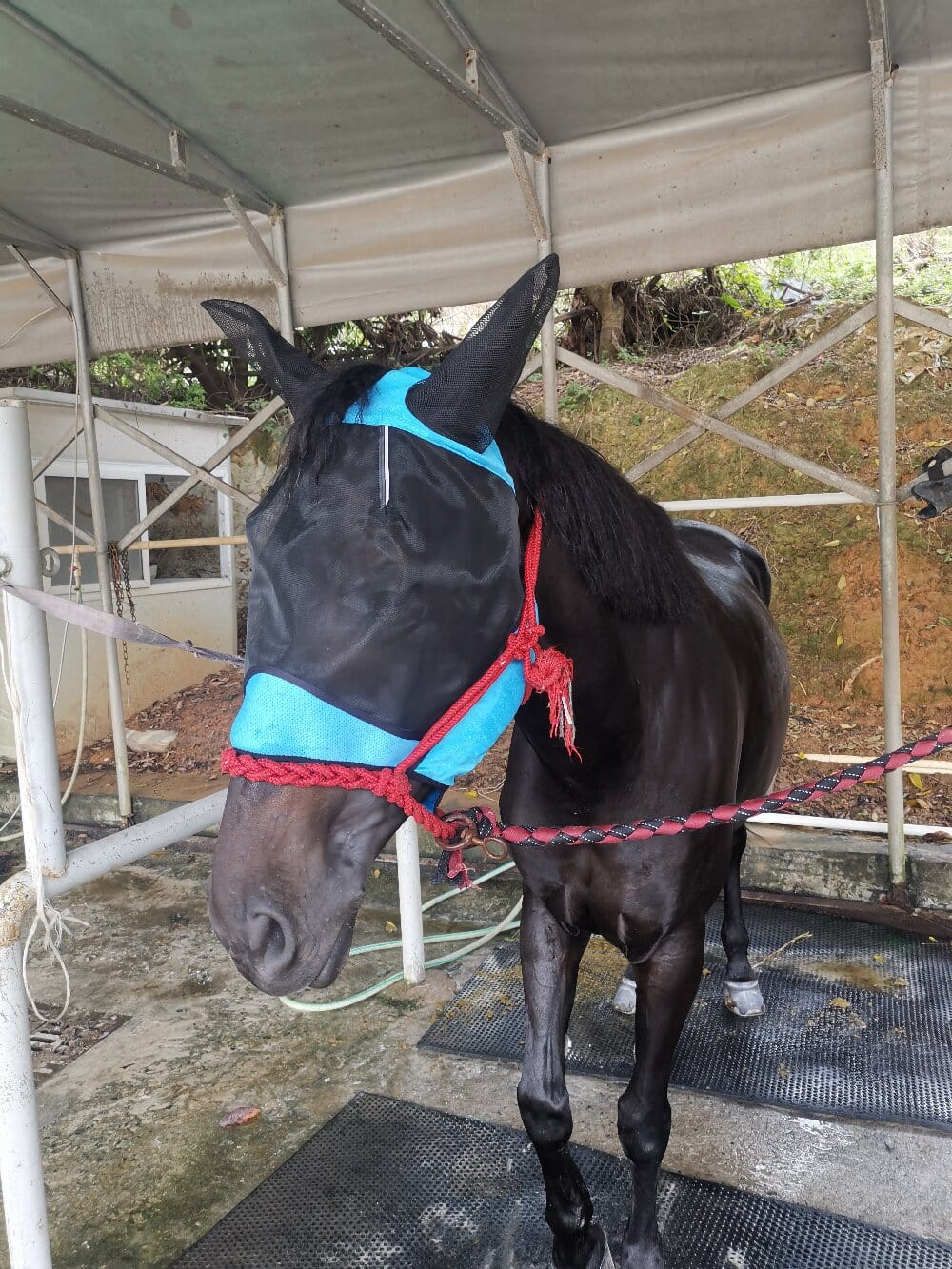

If you have spent any time around the barn or scrolled through equestrian social feeds lately, you have probably noticed that the horse fly mask has evolved from a basic necessity into something riders actually get excited about. This season, fly protection is no longer an afterthought tucked into the tack trunk — it is a statement piece, a wellness tool, and frankly, one of the smartest investments you can make for your horse’s comfort. I have been watching this trend pick up serious momentum, and honestly, it is about time.
Form Meets Function: The New Look of Fly Protection
The latest generation of fly masks is a far cry from the stiff, ill-fitting nets of the past. Designers are leaning into ergonomic shapes that follow the contours of the equine skull, with sculpted eye darts and soft fleece bindings that reduce rubs behind the ears. I am seeing a wave of fashion-forward colors, from muted earth tones to bold pastels, because let’s be real — if your horse has to wear it every day, it might as well look good. UV-reflective fabrics are also trending hard, offering shade without trapping heat, which matters enormously during long summer turnout sessions.
Smart Fabric Technology Is Changing the Game
What excites me most is the materials innovation happening right now. Brands are rolling out breathable micromesh that blocks even the tiniest gnats while letting air circulate freely. Some premium options now feature built-in antimicrobial treatments to keep the mask fresher between washes, and a few forward-thinking labels are experimenting with cooling gel inserts along the browband. These are not gimmicks — they address real problems like sweat accumulation and skin irritation. Secondary keywords like “breathable fly mask” and “UV protection” are popping up in search trends for good reason: horse owners are getting smarter about what they put on their animals.
Fit and Sizing: The Detail Riders Are Obsessed With
Here is where I get a little opinionated. A fly mask is only as good as its fit, and the industry is finally responding with more granular sizing. We are seeing cob, full, and extra-full options with adjustable double Velcro closures that actually stay put. Long nose styles are gaining traction for horses prone to sunburn on the muzzle, while earless designs remain popular for those who hate anything touching their ears. My advice? Measure twice, order once, and check the return policy before you commit.
Practical Tips for Choosing the Right Horse Fly Mask
- Prioritize breathability: Look for fine mesh that blocks tiny insects but allows airflow.
- Check the binding: Soft fleece or rolled edges prevent rub marks on sensitive skin.
- Consider UV protection: Especially important for light-colored horses and those with pink skin.
- Think about turnout duration: Longer wear demands better durability and washability.
- Watch the ear coverage: Some horses tolerate ear holes; others absolutely do not.
What’s Next for Equine Fly Gear
Looking ahead, I expect to see even more integration of insect-repellent treatments directly into fabrics, plus modular designs that let you swap nose pieces or ear covers as needed. Sustainability is creeping in too, with recycled mesh and eco-friendly dyes entering the conversation. The horse fly mask is quietly becoming a piece of precision equipment rather than a disposable accessory, and I am here for it.
Final Thoughts
Bottom line: the modern horse fly mask blends advanced fabrics, thoughtful ergonomics, and genuine style. Whether you are managing a sensitive-skinned senior or a show horse in peak season, upgrading to a well-fitted, breathable, UV-blocking mask is one of the easiest wins in equine care. Your horse will thank you — and so will your vet bill.