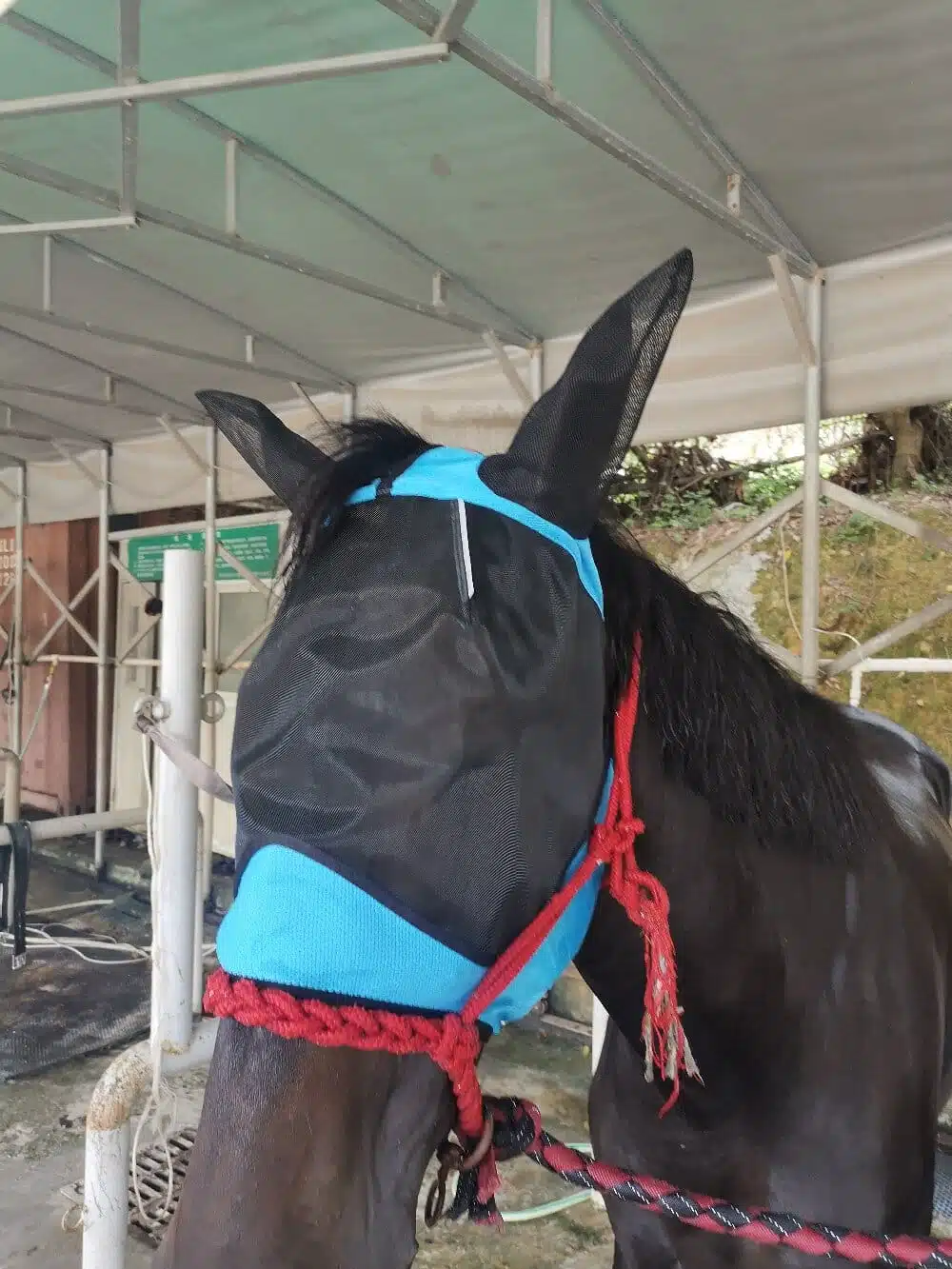

If you have spent any time around horses this season, you have probably noticed that fly protection has evolved far beyond sticky sprays and old-school mesh. The horse fly mask has quietly become one of the most talked-about pieces of tack in 2024, and for good reason. Riders, trainers, and backyard owners alike are discovering that a well-designed mask does far more than block bugs — it supports eye health, reduces stress, and even helps prevent sun-related conditions. Whether you are managing a show jumper or a pasture pet, understanding the latest trends will help you choose the right protection for your horse.
From Basic Mesh to Smart Design: What’s New in Horse Fly Mask Trends
Gone are the days when any old mesh hood would do. Today’s fly masks are engineered with the same attention to detail as high-end riding helmets. Here are the trends defining the current market:
- UV-blocking fabrics: Many new masks filter out up to 90% of harmful ultraviolet rays, which is critical for horses with pink skin or those prone to uveitis or squamous cell carcinoma on the eyelids.
- Ergonomic eye darts: Raised, sculpted eye areas keep mesh away from the eyelashes and prevent rubbing, a common complaint with cheaper designs.
- Ear and forelock options: Detachable ear covers and forelock openings let you customize coverage based on insect pressure and weather.
- Breathable, lightweight materials: Fine-grade mesh now offers better airflow, reducing heat buildup during long summer rides.
- Reflective trim: For owners who turn out at dawn or dusk, reflective edging improves visibility and safety.
These upgrades are not just marketing hype. They reflect a broader shift toward preventive care and comfort-first horsemanship, which is exactly why the horse fly mask has moved from a niche accessory to a daily staple.
How to Choose the Right Horse Fly Mask for Your Horse
Because every horse has a unique head shape and sensitivity level, the best mask is the one that fits properly. Follow this simple checklist before you buy:
- Measure twice: Use a soft tape to measure from the poll to the end of the nose, and around the widest part of the jaw. Sizing charts vary by brand, so never assume your horse is a “cob” or “full” without checking.
- Check eye clearance: The mask should not press against the eyes. You should be able to fit two fingers between the mesh and the eyelid.
- Consider activity level: Turnout masks can be more generous in coverage, while riding masks need a snugger fit to avoid flapping in the wind.
- Look for secure closures: Double hook-and-loop straps or buckle systems prevent loss in the pasture.
- Wash regularly: Dirt and sweat degrade mesh and irritate skin. A quick hand wash every week keeps the mask fresh and functional.
If your horse rubs or tries to remove the mask, the fit is likely wrong. Do not force it — try a different style or brand.
Beyond Bugs: Health Benefits You Might Not Expect
While the primary job of a fly mask is to keep insects away, the benefits extend further. Horses with chronic eye conditions such as equine recurrent uveitis often experience fewer flare-ups when wearing a UV-blocking mask. Seniors with sensitive skin are less likely to develop raw spots from constant fly bites. Even behavioral issues like head tossing and irritability during turnout can diminish once the pests are gone. In short, a quality mask is an investment in your horse’s overall well-being, not just a seasonal purchase.
Final Thoughts: Make Protection a Daily Habit
The modern horse fly mask has become smarter, lighter, and more effective than ever. By staying current with design trends and prioritizing fit, you can protect your horse from flies, UV rays, and the stress they cause. Start by measuring carefully, choose a mask with the features your horse needs, and check it daily for wear. Your horse will thank you with calmer eyes and healthier skin all season long.