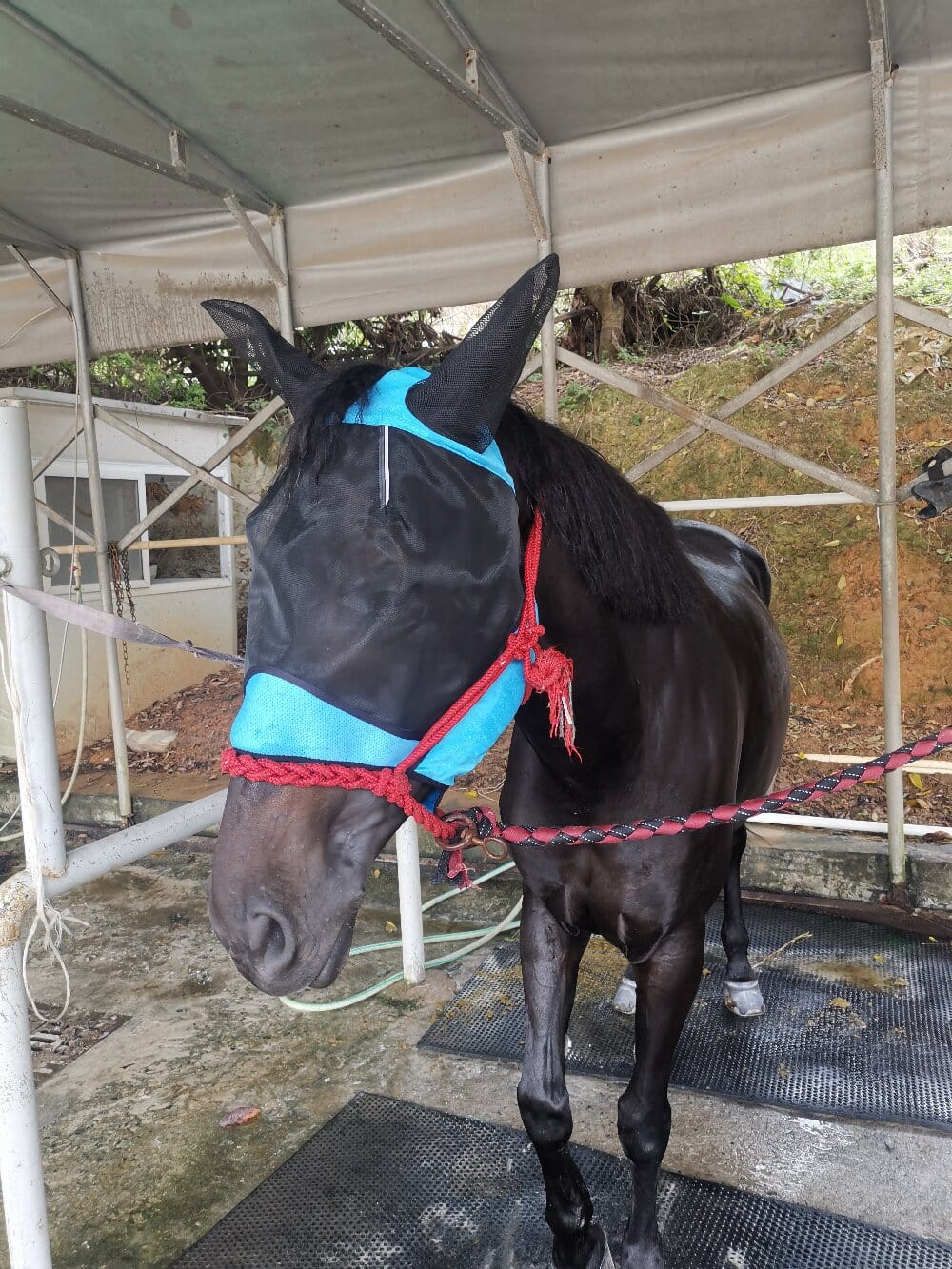
When I first began digging through old stable ledgers and veterinary manuals, I kept stumbling across references to a horse fly mask long before modern mesh fabrics existed. In the eighteenth and nineteenth centuries, stable hands fashioning crude eye coverings from leather strips and woven grass were already fighting the same battle we fight today: protecting a horse’s sensitive eyes from biting insects, dust, and glare. Those early attempts were clumsy, often irritating to the animal, but they laid the groundwork for a piece of tack that has quietly become one of the most practical tools in equine care.
From Battlefield Necessity to Barnyard Staple: A Horse Fly Mask Timeline
Tracing the evolution of the horse fly mask is, for me, a lesson in how wartime invention often trickles down to everyday life. Cavalry units in the late 1800s experimented with gauze veils to shield mounts from flies during long marches, and I have found photographs from the Boer War showing horses wearing improvised face nets. These were not comfortable garments, but they proved a point: a thin barrier over the eyes could prevent infection and keep a working animal focused.
By the mid-twentieth century, synthetic materials changed everything. Nylon mesh, lightweight and breathable, allowed designers to create the familiar cage-like coverings we recognize now. I like to think of the 1970s as the turning point, when equine catalogs began advertising fly veils with fleece-lined edges and adjustable straps. What had once been a handmade curiosity became a manufactured product available to nearly every rider.
Design Lessons I Have Learned from Decades of Fly Mask Evolution
Looking back, I can identify a few design principles that have persisted through every era of the fly mask’s history:
- Ventilation over coverage: Early leather hoods trapped heat, which caused more harm than good. Modern mesh prioritizes airflow.
- Soft edges: Fleece binding around the brow and nose prevents rubbing, a problem I have seen in countless vintage designs.
- Secure but gentle fastening: From buckled straps to hook-and-loop closures, the goal has always been staying put without pinching.
- UV protection: Later innovations added sun-blocking weaves, addressing photosensitivity in pale-coated horses.
Each of these features tells a story of trial and error, and I find it fascinating how much of today’s wisdom was earned the hard way in drafty barns and dusty paddocks.
Why the Fly Mask Endures in Modern Equine Management
Today, the horse fly mask is more than a seasonal accessory; it is a cornerstone of preventive care. Veterinarians I have spoken with emphasize its role in reducing the spread of conjunctivitis and minimizing the irritation that leads to head shaking and rubbing. Secondary keywords like insect protection, equine eye care, and UV shielding all circle back to the same simple truth: a well-fitted mask saves owners money on ointments and vet visits while keeping horses comfortable.
I also appreciate how far sizing and fit have come. Where once a single generic veil served an entire stable, riders can now choose between earless, ear-inclusive, and long-nose styles, each tailored to specific needs. That level of refinement is a testament to how seriously the equestrian world takes this humble piece of equipment.
Conclusion: A Small Invention with a Lasting Legacy
Reviewing the history of the horse fly mask reminds me that the best equestrian tools are born from patience and observation. What started as strips of leather and gauze has matured into breathable, sun-blocking mesh that protects eyes and enhances welfare. For anyone caring for horses, understanding this lineage offers more than trivia; it deepens appreciation for a product that quietly earns its place in every tack room.