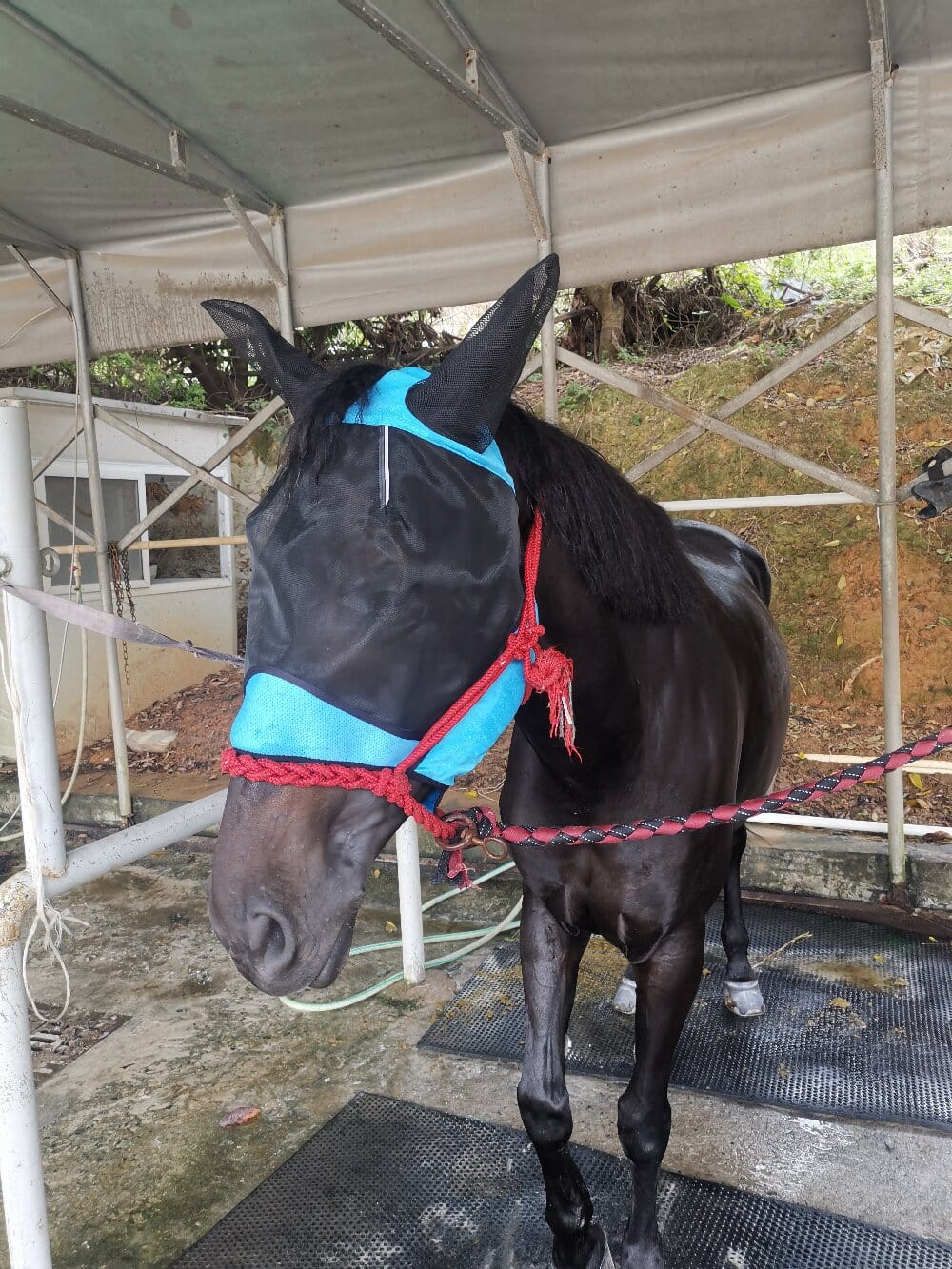
You might assume the horse fly mask is a modern invention, but its roots stretch back far earlier than the nylon mesh products you see in tack shops today. When you trace the history of protecting horses from biting insects, you discover that ancient horsemen in Egypt, Persia, and Rome already understood a simple truth: flies torment working animals, and tormented animals perform poorly. Early versions were crude affairs—leather strips, woven reeds, and even cloth veils draped over the face—designed less for comfort than for survival during long marches and desert campaigns. You can think of these as the distant ancestors of the fly mask you know today.
From Battlefield Necessity to Stable Standard: The Horse Fly Mask Evolves
As you move through the medieval period, you find horsemen adapting their approach. Knights and cavalry units needed to protect valuable warhorses from flies that could cause infections, head tossing, and dangerous distractions in combat. Records from European stables describe rudimentary face coverings stitched from canvas and softened hide, often treated with oils to repel insects. You will notice that these designs prioritized durability over breathability—a trade-off that would define fly mask development for centuries.
By the eighteenth and nineteenth centuries, you see a shift. Stable managers and veterinarians began documenting the link between fly bites and conditions like summer eczema and eye infections. This period brought the first purpose-built equine fly veils, often made from loosely woven fabric that allowed airflow while blocking pests. You can trace the modern concept of a breathable, full-face mask directly to these Victorian-era innovations.
Materials That Changed Everything
When you examine the twentieth century, the story becomes one of materials science. Early masks relied on cotton, burlap, and leather—functional but heavy, especially in heat. The mid-century arrival of synthetic fibers transformed the category. Nylon mesh, polyester netting, and durable binding tapes allowed manufacturers to create lightweight, washable, and affordable face coverings that stayed in place during turnout and exercise.
You should also note the rise of fleece-lined edges and adjustable straps. These seemingly small refinements addressed the biggest complaint horsemen had voiced for generations: rubs and pressure sores. Modern designs now incorporate UV-blocking fabrics and ear coverage, extending protection beyond flies to sun exposure and midges.
Why History Matters When You Choose Protection Today
Understanding this timeline helps you make smarter decisions. The lessons of the past are still visible in today’s products:
- Breathability: Ancient horsemen learned that trapped heat causes more harm than good.
- Secure fit: Cavalry designs emphasized staying power during movement.
- Visibility: Modern reflective trim echoes old high-visibility practices for working horses.
- Durability: Historical canvas masks remind you that stitching quality matters.
You will find that the best contemporary horse fly mask balances all these inherited lessons—light enough for summer, tough enough for pasture, and gentle enough for daily wear.
A Brief Summary
The history of equine face protection runs from crude leather strips in ancient deserts to today’s engineered mesh veils. Each era solved a specific problem—combat distraction, skin disease, heat stress, and rubbing—and those solutions accumulated into the reliable fly masks you use now. When you slip one onto your horse, you are participating in a tradition of practical care that spans thousands of years.