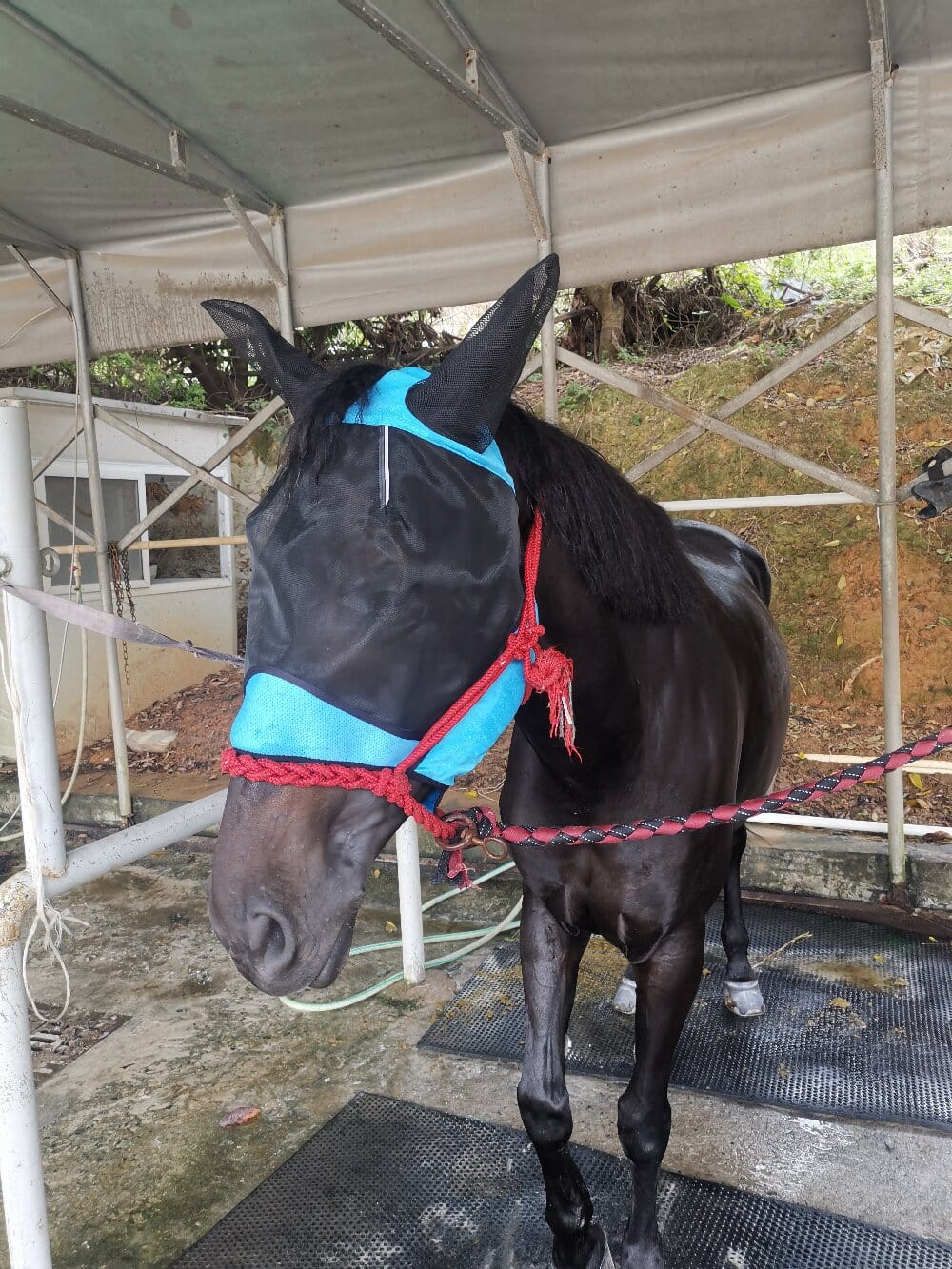
If you trace the story of the horse fly mask back through history, you quickly realize that this humble piece of tack is far older and far more fascinating than most riders expect. Long before synthetic mesh and adjustable hook-and-loop straps, horsemen in ancient Egypt, Persia, and China understood a simple truth: a horse tormented by biting insects is a horse that cannot work, rest, or thrive. Early protections were crude but clever—scraps of leather, woven reeds, and loosely draped cloth fashioned to keep flies away from sensitive eyes and ears. I find it remarkable that the core idea has barely changed in thousands of years, even as the materials have been transformed beyond recognition.
From Battlefield Necessity to Stable Staple
During the medieval and early modern periods, the fly veil became a practical companion for cavalry mounts and working draft animals alike. Insects spread disease, caused painful eye infections, and drove horses to dangerous head-shaking and rubbing. Hand-stitched leather fringes and perforated hide covers appear in equestrian inventories across Europe, often listed alongside saddles and bridles as essential equipment. What strikes me most is how utilitarian these designs were—no one was chasing fashion. Function ruled, and the goal was straightforward: shield the eyes, protect the ears, and let the animal breathe.
The Horse Fly Mask in the Age of Modern Materials
The twentieth century changed everything. The arrival of lightweight, breathable synthetic mesh allowed the horse fly mask to evolve from a heavy, cumbersome covering into something horses could comfortably wear for hours. Nylon and polyester fabrics offered durability without heat buildup, while soft binding edges reduced rubbing along the face. By the late 1900s, manufacturers were producing masks with fleece-lined nosebands, ear covers, and UV-blocking properties—an innovation that transformed the mask from a simple insect barrier into a genuine health tool for horses prone to sunburn and photosensitivity.
Design Evolution and the Rise of Specialized Features
Looking back over the past few decades, I can see a clear pattern of refinement rather than revolution. Key developments include:
- UV-rated mesh that protects pink-skinned horses from sun damage
- Extended nose coverage for horses vulnerable to sweet itch and seasonal allergies
- Removable ear attachments for customizable protection
- Ergonomic shaping that keeps mesh away from eyelashes and reduces pressure points
- Reflective piping for visibility in low-light turnout conditions
Each of these features emerged from real problems horsemen faced in the field, and that practical heritage is exactly why the modern fly mask feels so well-suited to its job.
Why This Simple Device Still Matters Today
Today the fly rug and face mask combination is standard summer equipment in barns worldwide, and for good reason. Insect-borne diseases such as equine infectious anemia and mosquito-transmitted viruses remain serious threats, while fly-related eye irritation can escalate into corneal ulcers if left unchecked. A well-fitted mask reduces stress, supports healthy eyes, and lets horses enjoy turnout without constant head tossing. I would argue that few pieces of tack deliver so much benefit for so modest a cost.
Conclusion
From ancient cloth veils to UV-blocking mesh, the horse fly mask has endured because it solves a problem that never truly goes away. Its history reminds us that the best equestrian equipment is born from observation, necessity, and steady improvement—and that sometimes the simplest ideas, refined over centuries, remain the most valuable tools in the barn.