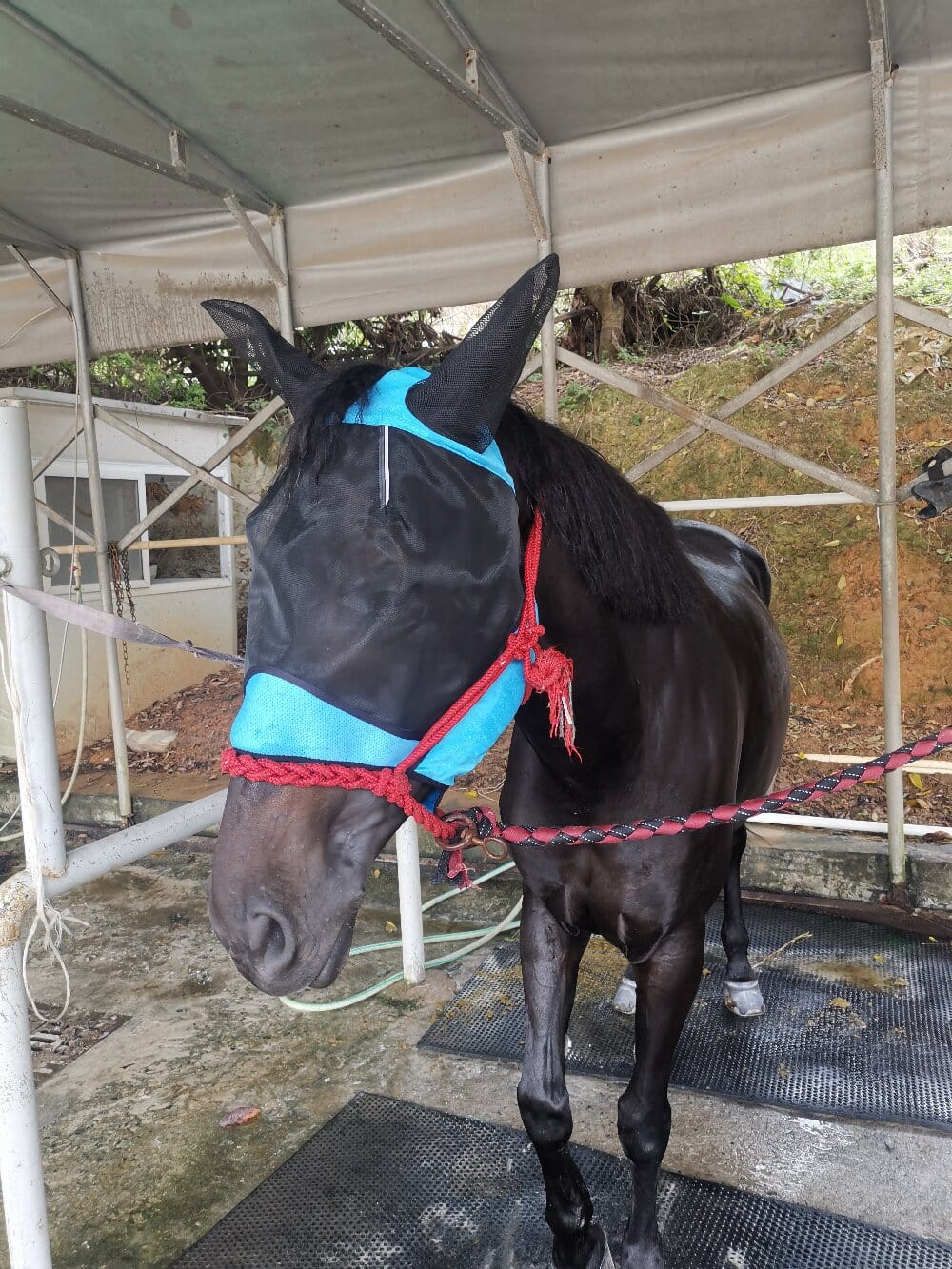
Long before synthetic fabrics and modern manufacturing, horse owners understood that a horse fly mask could mean the difference between a calm, healthy animal and one tormented by biting insects. Historical records from ancient Egypt, Greece, and Rome suggest that early riders draped coarse linen or leather over their horses’ faces during peak fly season. These primitive coverings were crude by today’s standards, but they established a principle that has endured for millennia: protecting the sensitive eyes and muzzle from flying pests is essential to equine welfare. From those humble beginnings, the horse fly mask has evolved into a sophisticated piece of equestrian equipment, shaped by changing materials, veterinary insight, and the practical demands of horsemen across cultures.
From Battlefield Utility to Stable Staple: A Horse Fly Mask Historical Review
During the Middle Ages, cavalry units across Europe and the Middle East recognized that horses immobilized by fly irritation made poor warhorses. Accounts from medieval stable masters describe face coverings made from layered cloth, sometimes treated with oils or herbs believed to repel insects. These early masks served a dual purpose—shielding the animal from flies and reducing distractions during training or combat. By the eighteenth and nineteenth centuries, as organized horse breeding and equestrian sport expanded, the horse fly mask began appearing in more refined forms, often tailored to fit the contours of a horse’s head and secured with simple leather straps.
The Industrial Revolution introduced new possibilities. Cotton mesh, wire screening, and eventually synthetic netting allowed craftsmen to create masks that offered ventilation alongside protection. Veterinary journals from the late 1800s began documenting fly-related eye conditions, giving scientific weight to what horsemen had observed for centuries. This period marked a turning point: the face covering shifted from a casual accessory to a recognized health tool.
Design Evolution Across Cultures
Different regions contributed distinct approaches to fly protection. In North America, western ranchers favored durable canvas masks with reinforced edges, built to withstand long days on open range. In Europe, competitive riding traditions encouraged lighter, form-fitting designs that would not interfere with bridles or blinkers. Australian stockmen, dealing with some of the world’s most aggressive fly populations, developed masks with extended nose coverage and UV-blocking fabrics—an innovation that anticipated modern sun-protection concerns. Each cultural variation reflected local climates, insect pressures, and equestrian customs, yet all shared the same goal of preserving equine comfort.
Modern Materials and Scientific Understanding
The twentieth century transformed the horse fly mask through material science and veterinary research. Nylon mesh replaced heavier fabrics, offering breathability and visibility. Elastic bindings and fleece trim reduced rubbing, addressing a common complaint among horse owners. When studies confirmed that ultraviolet radiation contributes to equine eye conditions such as uveitis and squamous cell carcinoma, manufacturers responded with masks featuring UV-rated fabric. Today’s products often incorporate ear covers, nose extensions, and ergonomic designs informed by equine anatomy.
- Breathable mesh fabrics that resist tearing
- UV-blocking materials for eye and skin protection
- Fleece-lined edges to prevent chafing
- Adjustable straps for secure, comfortable fit
Conclusion
The history of equine face protection reveals a continuous thread: horsemen and women have always sought practical ways to defend their animals from flying pests. What began as draped cloth has become a refined, science-informed product. Understanding this evolution helps modern owners appreciate not only the convenience of today’s equipment but also the centuries of observation and craftsmanship behind it. The horse fly mask remains a small yet meaningful example of how equestrian care adapts across time.