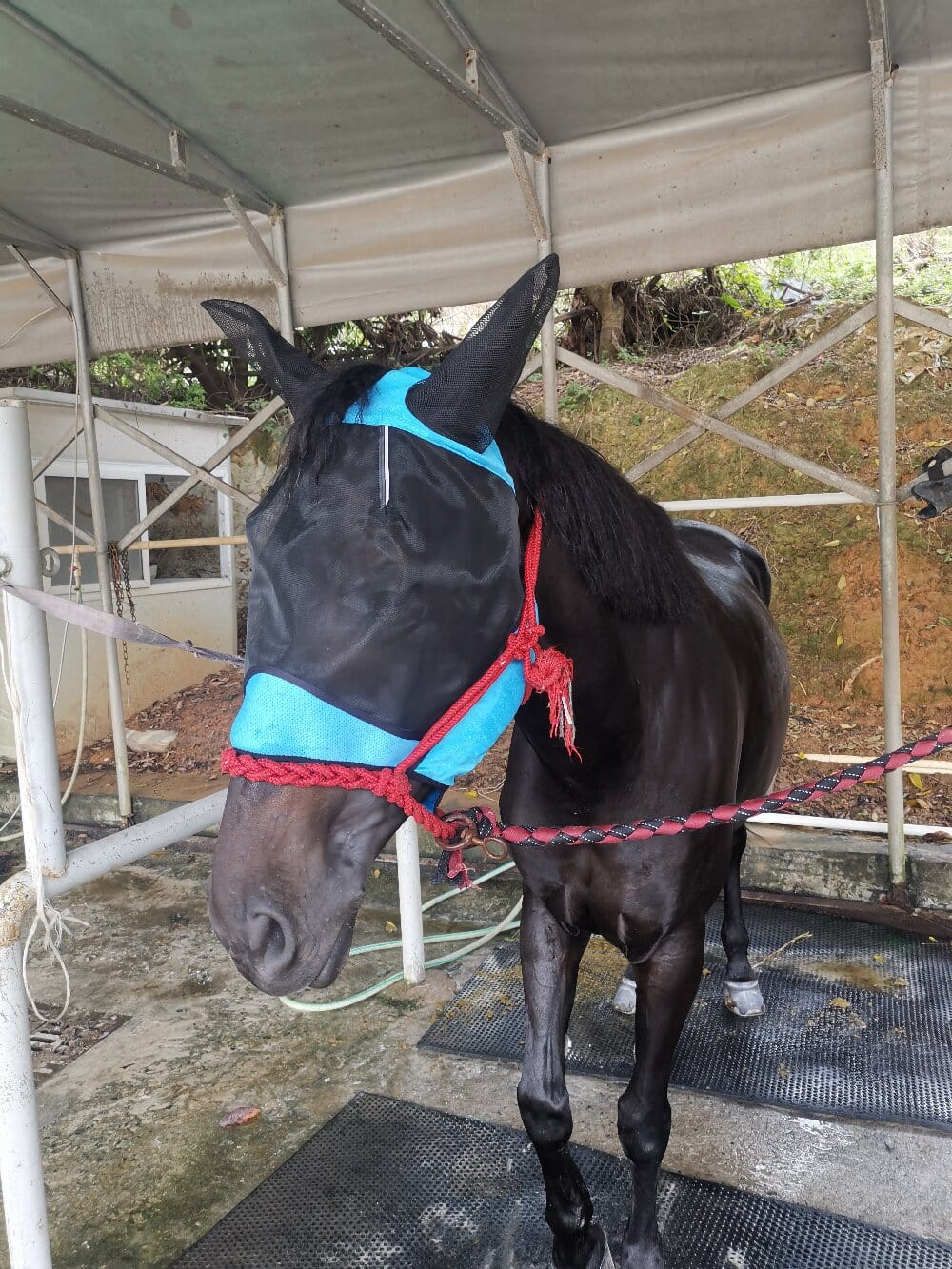
When I trace the story of the horse fly mask, I find myself looking back centuries before modern equestrian gear existed. Horse owners have always understood one uncomfortable truth: flies are relentless. Historical accounts from ancient Egypt and Rome describe crude mesh coverings and oiled cloths draped over horses’ faces to ward off biting insects during long journeys and battlefield campaigns. These early attempts were far from refined, but they reveal a timeless instinct among horsemen—protect the animal’s eyes and muzzle, and the horse will stay calmer, healthier, and more willing to work.
From Battlefields to Barns: The Evolution of the Horse Fly Mask
I like to think of the Middle Ages as the awkward adolescence of fly protection. Knights’ horses wore padded face armor that, while designed for combat, incidentally shielded eyes from debris and insects. By the eighteenth and nineteenth centuries, stable managers in Europe began stitching together gauze and leather frames—primitive ancestors of the modern horse fly mask. These handmade pieces were bulky and often irritated the horse, but they represented a genuine shift in thinking: insect control was becoming part of routine horse care rather than an afterthought.
The real turning point, in my view, came in the twentieth century with the arrival of synthetic fabrics. Nylon mesh, elastic binding, and fleece padding transformed what had been a clumsy rag into a lightweight, breathable shield. Manufacturers started designing masks with ear covers, nose extensions, and adjustable straps, and suddenly the fly mask became a standard item in every tack room rather than a luxury for the wealthy.
Why Historical Design Choices Still Matter Today
Looking at contemporary products, I can see the fingerprints of history everywhere. The fleece trim that prevents rubbing? That idea traces back to those early padded leather frames. The mesh density that blocks tiny gnats while allowing airflow? A direct descendant of the gauze experiments from two centuries ago. Even the debate over whether to cover the ears echoes old cavalry wisdom about protecting sensitive areas during long rides.
- Eye protection: Shielding against flies, dust, and UV glare, a concern noted since antiquity.
- Breathability: Modern mesh fabrics solve what oiled cloth never could—ventilation.
- Comfort fit: Elastic straps and fleece edges replaced the harsh ties of the past.
- Seasonal use: Summer turnout and trail riding remain the primary applications, just as they were for our predecessors.
Lessons I Take From the Historical Review
What strikes me most is how consistent the core purpose has remained. Whether it was a Roman rider improvising a cloth veil or a modern owner choosing a UV-blocking mask with ear covers, the goal is identical: reduce stress, prevent eye infections, and keep the horse comfortable. The materials changed, the stitching improved, and the science of equine vision advanced, but the humble horse fly mask has stayed faithful to its original mission. For anyone shopping today, I would suggest honoring that history by prioritizing fit and breathability over flashy features—the same qualities that made early designs work, however crudely.
In short, the horse fly mask is a small piece of equipment with a surprisingly long pedigree. Understanding where it came from helps us appreciate why it remains indispensable in modern stables and paddocks alike.