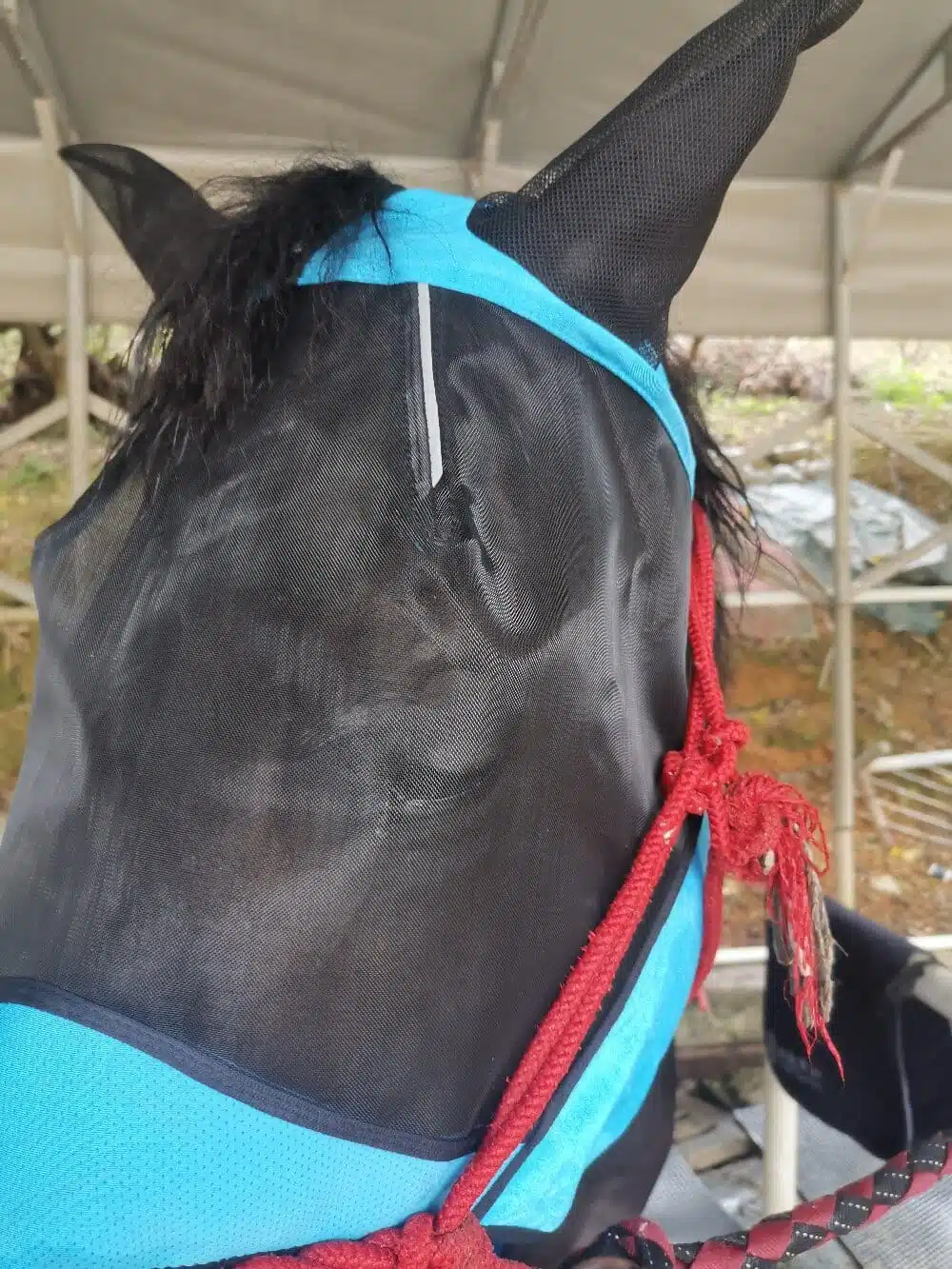

If you were to saddle up alongside riders from centuries past, you would notice something missing from their gear: the modern horse fly mask. Long before synthetic mesh and UV-blocking fabrics existed, horsemen and stable hands relied on whatever materials were at hand to shield their animals from biting insects, harsh sunlight, and flying debris. Understanding how this humble piece of tack evolved helps you appreciate why it has become an essential part of equine care today.
From Cloth Wraps to Purpose-Built Horse Fly Mask Designs
During the Middle Ages and into the Renaissance, you would have seen working horses draped in rough linen or leather face coverings during summer months. These early attempts were crude, often obstructing vision and trapping heat, yet they reflected a growing awareness that flies and sun exposure caused real suffering. Stablemasters in European cavalry units recorded wrapping horses’ heads with damp cloths to deter biting insects before long marches. Fast forward to the nineteenth century, and you can trace the first stitched mesh prototypes in agricultural catalogues, designed to balance airflow with protection.
The twentieth century brought rapid innovation. With the arrival of nylon and polyester netting, manufacturers could finally produce lightweight, breathable barriers. By the 1970s and 1980s, equestrian supply catalogues featured recognisable fly veils with ear covers and fleece padding, and by the 1990s, UV-blocking textiles had entered the market, transforming a simple insect shield into a tool for sun protection as well.
Why History Matters When You Choose a Horse Fly Mask
Knowing where this equipment came from shapes how you evaluate it today. Historical designs teach you that fit and ventilation matter just as much as coverage. When you shop for a mask, consider these lessons from the past:
- Visibility first: early cloth wraps failed because horses could not see clearly; modern mesh solves this, so check that your mask allows adequate sight.
- Breathability: overheating plagued older designs, so prioritise lightweight, air-permeable fabrics.
- Ear and brow protection: cavalry horsemen learned that insects target sensitive areas, which is why quality masks include ear covers and brow bands.
- Durability: historical tack was repaired, not replaced, reminding you to inspect seams and binding regularly.
You should also consider seasonal use. Summer fly seasons demand maximum coverage, while transitional months may call for lighter veils. Modern options include UV-reflective fabrics, fleece trim to prevent rubbing, and adjustable straps that stay secure during turnout or riding.
Caring for Your Mask the Way Stable Hands Once Did
Historical horsemen washed and mended their face coverings diligently because replacements were costly. You can adopt the same discipline: rinse off dust and sweat after each use, check fastenings for wear, and store the mask away from direct sunlight when not in use. Rotating between two masks extends their lifespan and ensures your horse always has protection available.
Conclusion
The story of equine face protection is one of steady refinement, from damp cloths in medieval stables to today’s precision-engineered mesh. When you select a horse fly mask, you are benefiting from generations of practical experience. Choose wisely, maintain it well, and your horse will enjoy comfort through every fly season.