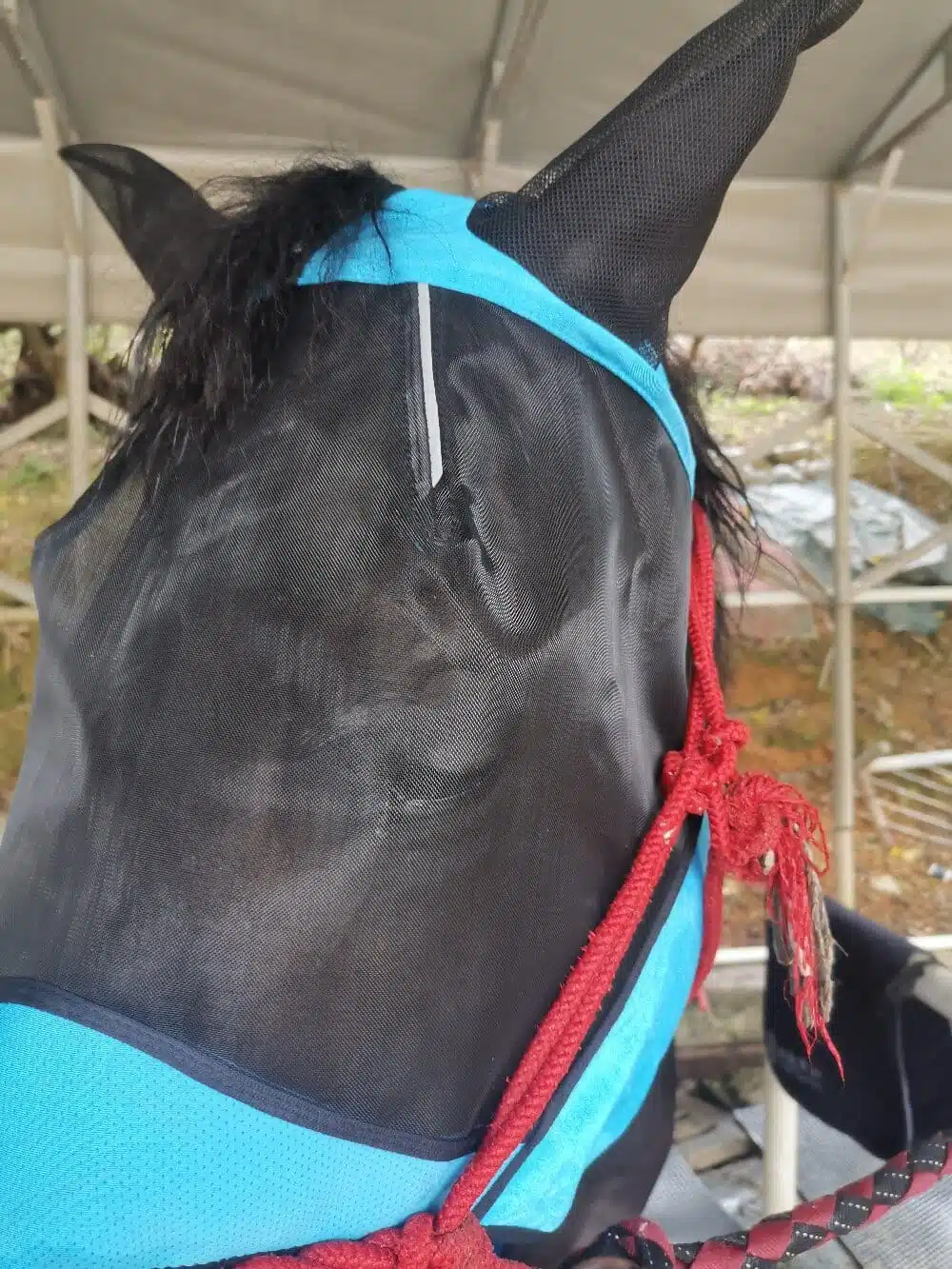

If you spend enough time around horses, you eventually learn that flies are not just a nuisance—they are a genuine threat to equine health and comfort. Looking back through history, the horse fly mask emerges as one of the simplest yet most enduring pieces of protective gear ever devised for the stable. I find it fascinating that long before modern synthetic fabrics and mesh engineering, horsemen and farriers were already experimenting with ways to shield a horse’s sensitive eyes and muzzle from biting insects, dust, and debris. The evolution of this humble accessory tells a story about practicality, craftsmanship, and our growing understanding of animal welfare.
From Crude Cloth to Purpose-Built Mesh: A Historical Review of the Horse Fly Mask
In my reading of equestrian history, the earliest fly protection for horses was almost laughably basic. Medieval and early modern stable hands would drape coarse linen or leather strips over a horse’s face, sometimes smearing the material with tallow or herbal ointments to repel insects. These improvised coverings were clumsy and often restricted vision, but they reflected an intuitive grasp of a simple truth: keeping flies away from the eyes prevented infection and stress.
By the eighteenth and nineteenth centuries, working horses in Europe and North America benefited from more tailored designs. Leather fringe masks, sometimes called “fly fringes,” became common in carriage and draft settings. The fringe swayed as the horse moved, discouraging flies from landing while still allowing relatively unobstructed sight. I think this period deserves more credit than it usually gets—these were the first true precursors to the modern equine fly mask, refined through trial and error rather than laboratory testing.
The Twentieth-Century Materials Revolution
The real turning point, in my view, came with the arrival of synthetic textiles in the mid-twentieth century. Nylon, polyester, and later fine-gauge mesh transformed what a fly mask could be. Suddenly, manufacturers could produce lightweight, breathable covers that blocked tiny insects without trapping heat. The design language shifted from heavy fringe to fitted hoods secured with elastic or hook-and-loop straps.
I would argue that the 1970s and 1980s marked the moment fly masks moved from farm-shop novelty to mainstream equestrian essential. Veterinary research began documenting how facial protection reduced eye infections, conjunctivitis, and insect-borne disease transmission. Once science caught up with tradition, demand surged, and the market diversified rapidly.
Design Features That Stood the Test of Time
Reviewing decades of products, I notice that the features riders trust most have remained remarkably consistent:
- Fine mesh that excludes even the smallest gnats while permitting airflow
- Soft fleece or padded binding along the edges to prevent rubbing
- Adjustable straps under the throat for a secure, comfortable fit
- Extended nose coverage for horses prone to habronema and summer sores
- UV-blocking fabric, a more recent addition linked to photosensitivity concerns
What strikes me is how each of these elements traces back to an older problem—rubbing, slipping, heat buildup—that earlier makers tried to solve with far less forgiving materials.
Reflections on a Quiet Revolution
Today the equine fly mask is ubiquitous in barns, paddocks, and turnouts worldwide, available in every color and configuration imaginable. Yet I believe its historical significance is underappreciated. It represents a rare case where practical horsemanship anticipated veterinary science by centuries, and where incremental craft improvements produced a genuinely humane tool. For anyone interested in equestrian heritage, the story of insect-protective face gear is a reminder that good ideas often begin with cloth and common sense.