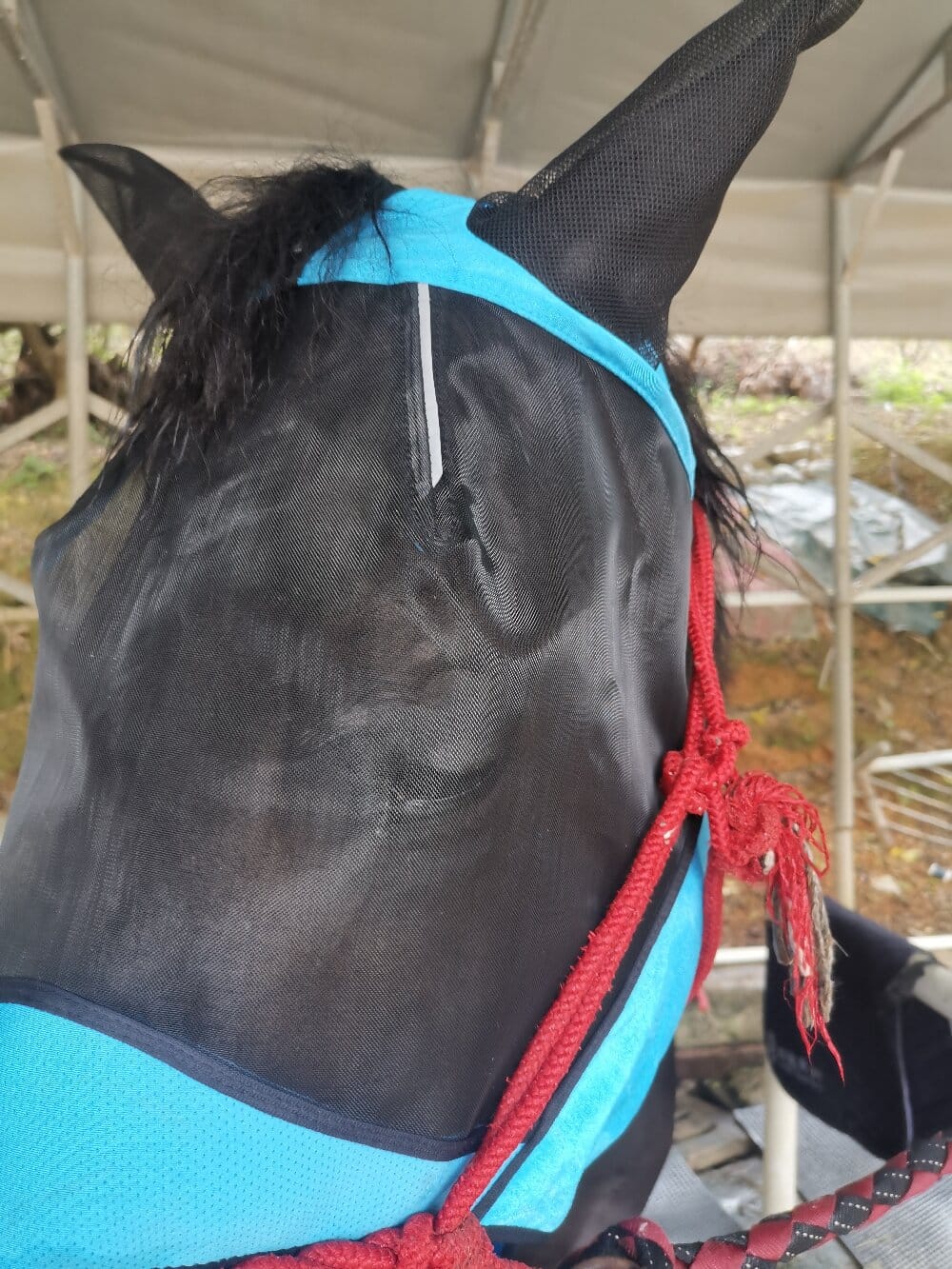
When I look back at the long history of equine care, the modern horse fly mask strikes me as one of those wonderfully simple inventions that took far too long to perfect. Long before synthetic mesh and adjustable straps, horsemen in ancient Egypt and Rome understood that flies, gnats, and biting insects could drive a good horse to distraction. Historical accounts suggest early handlers draped loosely woven cloth or leather over their animals’ faces during the hottest months, a crude but sensible attempt at insect defense. These early coverings were clumsy, often obstructed vision, and trapped heat, yet they reveal a timeless truth: horse owners have always sought practical ways to shield their animals from the relentless torment of summer pests.
From Field Hack to Refined Design: The Evolution of the Horse Fly Mask
Through the nineteenth and early twentieth centuries, working horses remained the backbone of agriculture and transport, and fly season meant real suffering. I find it fascinating that many of the earliest recognizable fly masks were homemade affairs—sturdy cotton or canvas cut and stitched by farriers and farmhands, sometimes stiffened with wire to keep the fabric off the eyes. These prototypes rarely lasted more than a season, but they proved the concept. The real turning point arrived with the development of durable synthetic meshes in the mid-twentieth century. Suddenly, a mask could block biting insects while letting air and light pass through, and the modern horse fly mask was born.
Materials That Changed Everything
In my view, the story of this humble piece of tack is really a story of materials science. Nylon and polyester mesh transformed what was possible:
- Breathability: Fine mesh allows airflow, reducing heat buildup during long summer days.
- Visibility: Horses can still see through the weave, which keeps them calm and safe.
- Durability: UV-resistant fabrics resist fading, tearing, and repeated washing.
- Comfort: Fleece padding and ergonomic cuts around the ears and nose prevent rubbing.
I also appreciate how far design has come. Today’s fly masks for horses often include ear covers, nose fringes, and adjustable touch-fastening straps, addressing problems that plagued earlier generations of riders and stable managers alike.
Why History Still Matters to Today’s Horse Owner
Looking back, I think the historical review teaches us something practical. The masks of the past failed for predictable reasons—poor ventilation, restricted vision, and flimsy construction—and modern products succeed precisely because engineers solved those problems. When shopping for equine fly protection, I encourage owners to check fit around the browband, confirm the mesh density suits local insect pressure, and inspect stitching quality. A well-chosen mask protects against flies, gnats, and even sun bleaching, while a poorly fitted one invites rubs and stress. The lessons of a century of trial and error are baked into every good mask on the market today.
Conclusion
Tracing the evolution of the horse fly mask from rough cloth drapes to precision-engineered mesh reveals a quiet triumph of practical innovation. Each generation of horsemen refined the idea a little further, and today’s riders inherit the benefits. For anyone caring for horses through fly season, this unassuming piece of equipment remains an essential ally—proof that even the simplest historical solutions can evolve into indispensable modern tools.